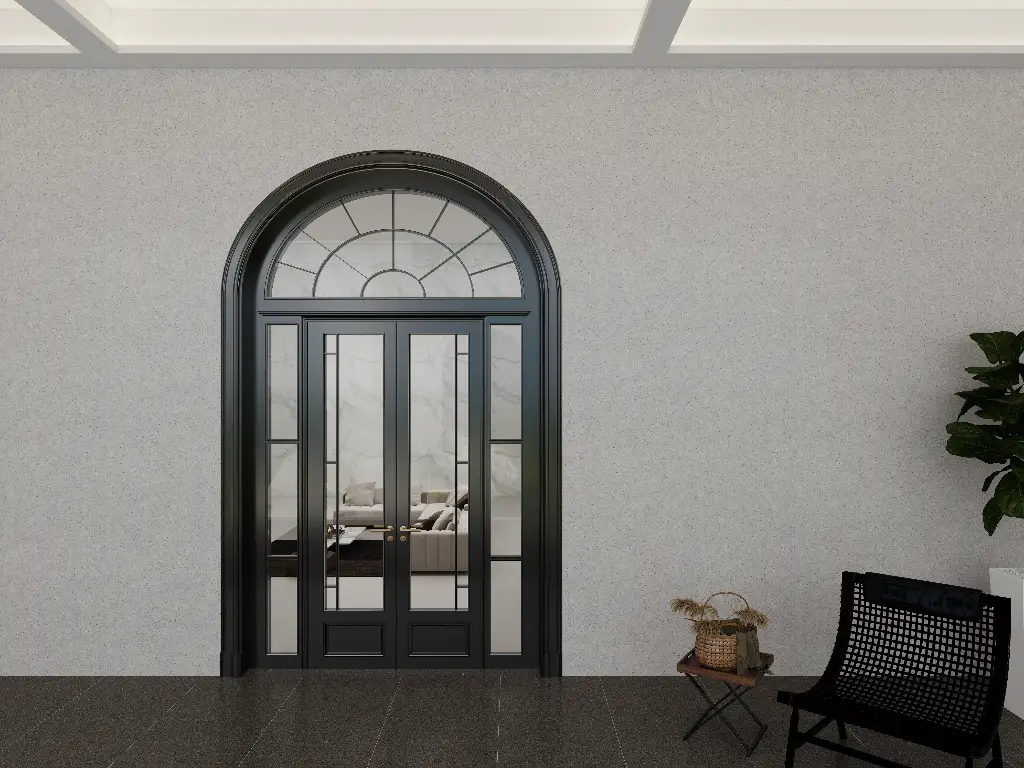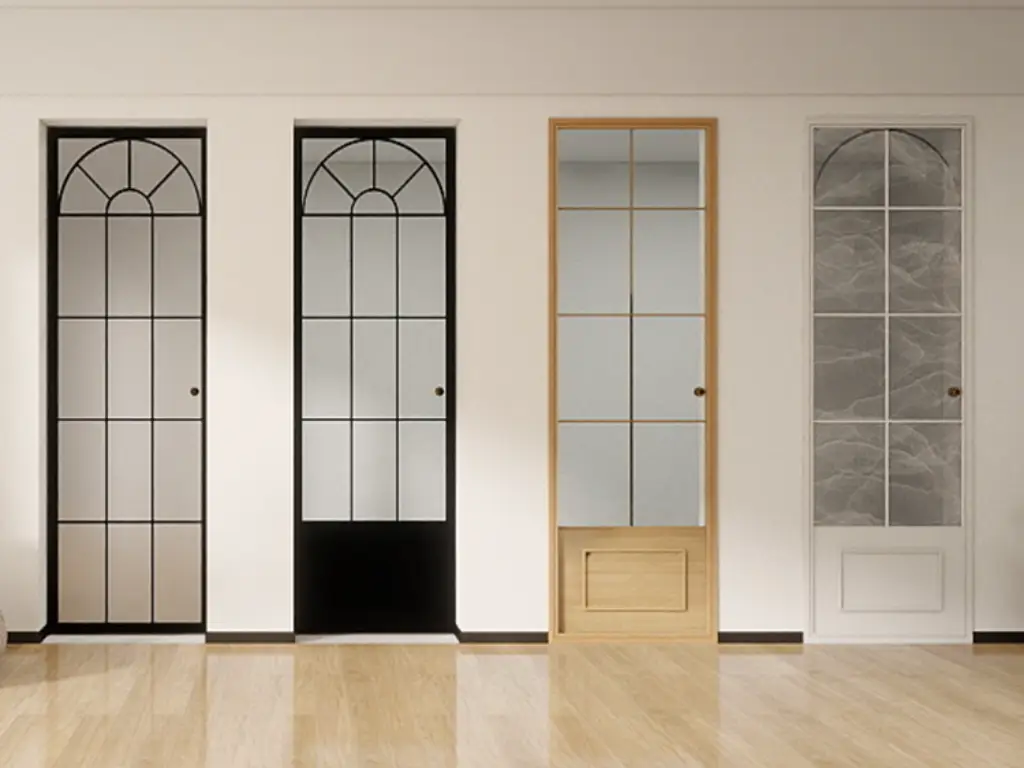
Selecting the right windows for large-scale projects can be complex, balancing performance, energy efficiency, and cost. This article compares aluminum and vinyl windows, focusing on durability, thermal efficiency, aesthetics, and cost analysis for bulk purchases. We’ll explore how aluminum excels in strength and high-demand applications, while vinyl offers superior energy efficiency and cost-effectiveness, helping procurement professionals make an informed decision.
What Are Aluminum Windows?

Aluminum windows are made from lightweight yet strong alloys, typically 6063-T5 or 6063-T6, which offer excellent durability and are ideal for both residential and commercial applications. Their ability to support large glass panes makes them especially suitable for modern architecture, high-rise buildings, and areas exposed to harsh weather conditions.
Advantages
- High Strength: Aluminum’s superior structural integrity allows it to withstand high winds and large loads, making it perfect for mid- to high-rise buildings.
- Durability: Resistant to corrosion when treated with high-performance coatings (e.g., 70% PVDF), aluminum windows maintain their appearance and function for decades.
Limitations
- Thermal Conductivity: Aluminum has a high rate of heat transfer, requiring thermally broken construction to enhance energy efficiency and prevent heat loss.
- Cost and Complexity: The need for thermal breaks and specialized manufacturing techniques increases the overall cost and design complexity.
What Are Vinyl Windows?
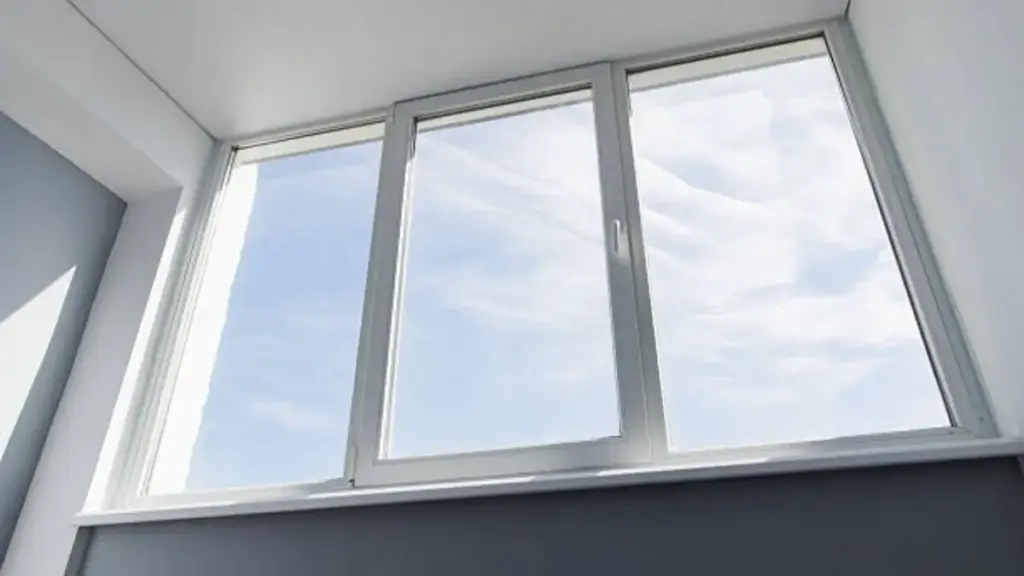
Vinyl windows are made from durable RAU-PVC extrusions and offer excellent thermal efficiency, making them a popular choice for residential and light commercial applications. They meet ENERGY STAR standards and provide solid impact resistance with advanced glazing, ensuring safety and energy performance.
Advantages
- Thermal Efficiency: With U-factors ≤0.30 and SHGC ≤0.40, vinyl windows are highly energy-efficient, helping to maintain indoor comfort and reduce energy costs.
- Structural Integrity: Reinforced with galvanized steel and designed for moderate wind loads (DP50-80), vinyl windows perform well in typical residential environments.
Limitations
- Wind Load Limitations: Vinyl windows are not suitable for extreme wind conditions (beyond DP80), requiring reinforcements for larger sizes.
- Installation Sensitivity: Accurate rough opening measurements and sealant application are critical to prevent air infiltration.
Durability and Longevity Comparison
The following table highlights the key differences between aluminum and vinyl windows in terms of lifespan, strength, and performance in various environmental conditions:
| Feature | Aluminum Windows | Vinyl Windows |
|---|---|---|
| Typical Lifespan | 30–50 years with proper maintenance; conservative field estimates at 20–25 years, high-end claims up to 50 years in protected installations. | 20–30 years, extending to 30–40 years for higher-grade products under normal conditions. |
| Strength & Rigidity | “Exceptional” strength and durability, resists bending and warping, higher rigidity, suitable for large panes and high-wind/storm regions. | “Very good” durability but possesses lower rigidity; susceptible to warping/distortion under extreme heat or cold and heavy impact. |
| Primary Failure Modes | Susceptibility to scratching, denting, and corrosion, particularly in coastal/high-moisture environments without robust powder coating and periodic inspection. | Warping, dimensional change, or brittleness under extreme temperature swings and UV exposure, making them less suitable for very large openings or structurally demanding applications. |
| Climate Suitability | More resistant to weather changes and extreme heat; recommended for hot, high-wind, and storm-prone regions (provided corrosion control is addressed). | Better inherent corrosion resistance (no rust); favored in humid or coastal environments where aluminum would require advanced coatings. |
| Maintenance Level | Considered low maintenance. Powder-coated finishes are “virtually maintenance-free”, high resistance to color fading and chalking, allowing for high-pressure washing. | Considered low maintenance. Integrated color hides surface scratches, requires only occasional cleaning. Offers corrosion immunity. |
Thermal Performance: Aluminum vs. Vinyl
Intrinsic Thermal Conductivity and Heat Transfer
Aluminum has high thermal conductivity (160 W/mK), leading to significant heat transfer and poor insulation in its untreated form. In contrast, vinyl (PVC) has much lower thermal conductivity (0.17 W/mK), offering superior insulation and reducing heat flow.
U-Factor, Thermal Breaks, and Energy Efficiency
Standard aluminum windows have high U-factors (around 3.5 W/mK), indicating poor thermal performance. However, introducing thermal breaks, such as polyurethane, reduces the U-factor to below 2.2 W/mK, significantly improving energy efficiency. This improvement can lead to annual savings of approximately $38.77 per window, with a payback period of around 5.7 years. Thermally broken aluminum windows can meet Energy Star and NFRC 101 standards for energy-efficient construction.
Enhancing Thermal Efficiency with Opuomen
For those seeking high-performance aluminum windows, Opuomen’s Thermal Break Low-E Glass Aluminium Window combines the benefits of thermal breaks and Low-E glass. Designed for high-rise applications, this product offers exceptional thermal efficiency and durability, ideal for modern minimalist interiors, including large glass balcony windows, bedrooms, and kitchens.
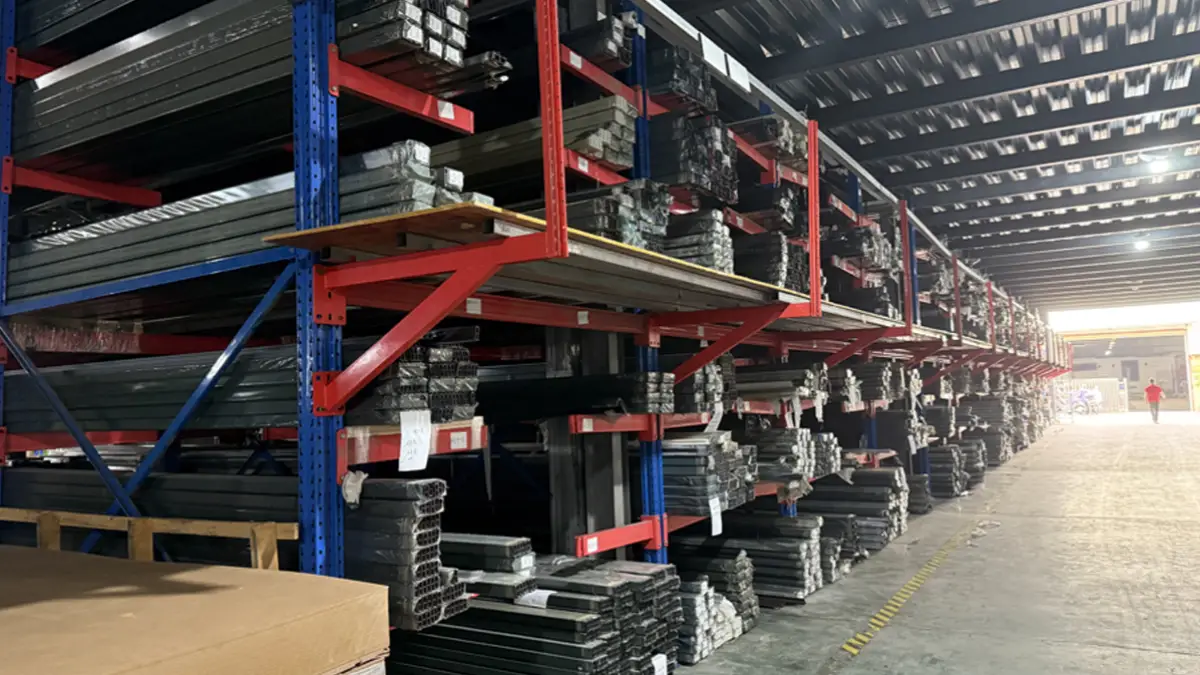
Engineered for Excellence: Global Aluminum Window Systems
Aesthetics and Design Flexibility
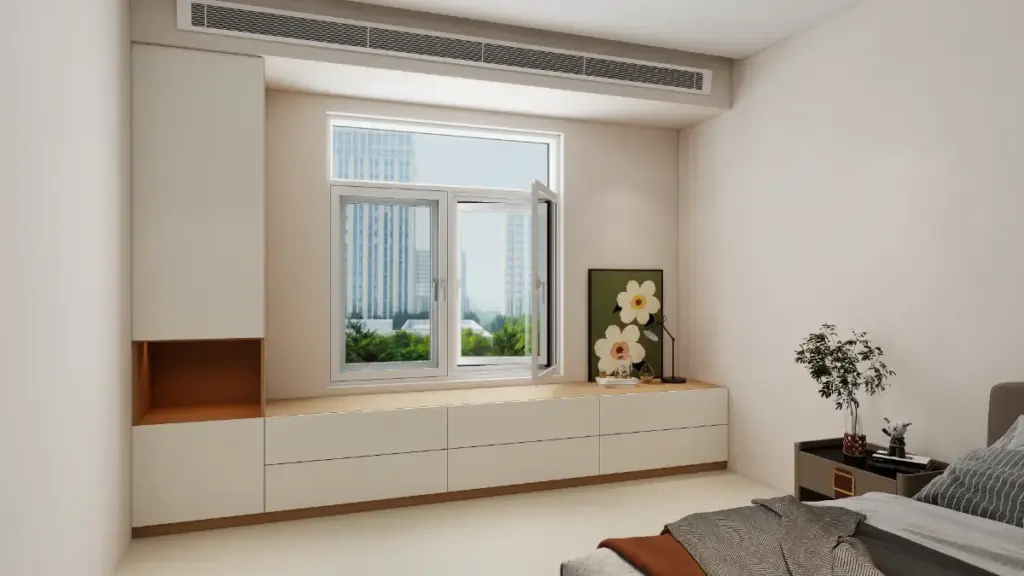
Choosing the right window frame material not only impacts the overall aesthetic but also determines design possibilities, structural integrity, and long-term maintenance of your space.
Frame Profile and Architectural Impact
Aluminum windows are known for their sleek, minimalist design. With slim frames (typically 35–50 mm face width) and narrow mullions, they allow for large glass areas, creating a modern, ‘storefront’ aesthetic ideal for contemporary façades. In contrast, vinyl windows have thicker frames due to structural requirements, resulting in heavier sightlines but offering traditional designs like sash windows and simulated divided-lite appearances.
Structural Capacity and Finish Customization
Aluminum alloys, such as 6063‑T5/T6, provide high strength (145–190 MPa), allowing for larger spans and complex configurations like floor-to-ceiling windows and ribbon windows. Vinyl frames, while smaller in size, offer extensive aesthetic customization, including integral colors, wood-like laminates, and paintable surfaces for varied looks.
Finish Options
Aluminum finishes include durable powder-coat and anodized options in a wide range of RAL colors and metallic tones. Vinyl finishes are typically maintenance-free, offering a variety of surface textures and colors, with fewer limitations for long-term care.
Environmental Impact and Recyclability
Aluminum production is energy-intensive, leading to a higher carbon footprint due to the primary smelting processes. However, aluminum windows are 100% recyclable, enabling infinite reuse without quality degradation. This recyclability helps offset their environmental impact over a 20-25 year lifespan. In contrast, vinyl windows are made from petroleum-based PVC, and their manufacturing processes can release harmful chemicals, resulting in a higher initial environmental cost.
While recycling vinyl windows presents challenges due to their material composition and limited infrastructure, they offer significant energy savings. Vinyl windows provide superior insulation, reducing heating and cooling energy consumption by up to 20%. With a lifespan of 20-40 years, their durability further reduces the overall environmental impact. Although vinyl’s recycling challenges remain, its energy efficiency and long service life help mitigate the operational eco-costs over time.
Cost Analysis for Bulk Purchases
- High-Performance Windows:
- Incremental manufacturing cost: $1.80–$2.10 per ft²
- Retail price markup: $4–$7 per ft²
- Example: Triple-pane vs. double-pane windows, retail markup: $3.70–$5.30 per ft², manufacturing cost uplift is typically 2–3 times lower.
- Specialized Windows (e.g., Soundproof):
- Ex-factory pricing for aluminum sliding windows from Chinese manufacturers: $70–$79 per m² (MOQ: 1 m²).
- Specialized soundproof models: $129.99–$135.55 per m² (MOQ: 50 m²).
Industry insights show that although initial tooling and investment costs for custom designs may be higher, these are quickly offset by lower per-unit costs at larger volumes. For bulk purchases, such as from Chinese manufacturers, ex-factory pricing for aluminum windows ranges from $70–$79 per m², with specialized windows like soundproof models priced higher. Additional costs, such as labor, finish choices, and performance upgrades, also influence final pricing.
Final Thoughts
For real estate developers or procurement professionals, the choice between aluminum and vinyl windows depends on project needs. Aluminum is ideal for commercial or high-rise applications, offering strength, large openings, and weather resistance. Vinyl, on the other hand, provides excellent thermal efficiency and is cost-effective for residential or light commercial projects where energy savings are a priority.
Selecting the right material requires careful consideration of factors like climate, design goals, and long-term costs. By capitalizing on bulk purchasing opportunities, you can reduce costs while ensuring strong performance. For durable, energy-efficient windows, Opuomen offer an ideal solution that combines quality and value for your next project.
Frequently Asked Questions
Is the U-Value of thermal break aluminum comparable to vinyl?
No, the U-value of thermal break aluminum windows is generally not comparable to vinyl; vinyl consistently achieves lower (better) U-values due to its inherent insulation properties, with thermal break aluminum trailing despite improvements over standard aluminum. Vinyl U-factor of 0.28 vs. thermal break aluminum U-factor of 0.42.
Which window material has a higher resistance to warping in hot climates?
Aluminum window frames have higher resistance to warping in hot climates than standard vinyl (PVC/uPVC) frames, because aluminum remains dimensionally stable under high temperatures while vinyl can distort under extreme heat and prolonged sun exposure. Vinyl (PVC) has a thermal conductivity of 0.17 W/m·K vs aluminum at 160 W/m·K, a 900+× difference; this drives aluminum’s use where high-temperature dimensional stability and structural rigidity are prioritized, while vinyl’s lower conductivity improves insulation but makes it more prone to heat-related warping.
What are the structural limits of vinyl windows for high-wind areas?
Vinyl windows in high-wind areas are typically limited to design pressures of 20 psf for standard mullion configurations and combinations up to 96 sq ft, with higher ratings like +37.7 / -50.4 psf required in coastal Florida zones; industry standards cap practical sizes and reinforcements to meet ASCE 7 and Florida Building Code (FBC) wind loads without excessive bulk or cost. The maximum design pressure for standard 1″ mullions and H-Bar combinations in vinyl systems is typically 20 psf.
How do maintenance costs compare over a 20-year period?
Across a 20‑year service life, both aluminum and vinyl windows are effectively “very low‑maintenance” with no painting and only periodic cleaning, but vinyl typically incurs slightly lower maintenance labor and repair intervention than aluminum over the same period. Many professional guides treat maintenance cost difference as negligible versus energy and replacement costs, assigning near‑zero to very minor (~1–3% of window CAPEX) lifetime maintenance allowance for either material over 20 years. A field‑practice guideline estimates aluminum window maintenance at ~1 labor‑hour per 10 units over time, with vinyl requiring even fewer interventions.