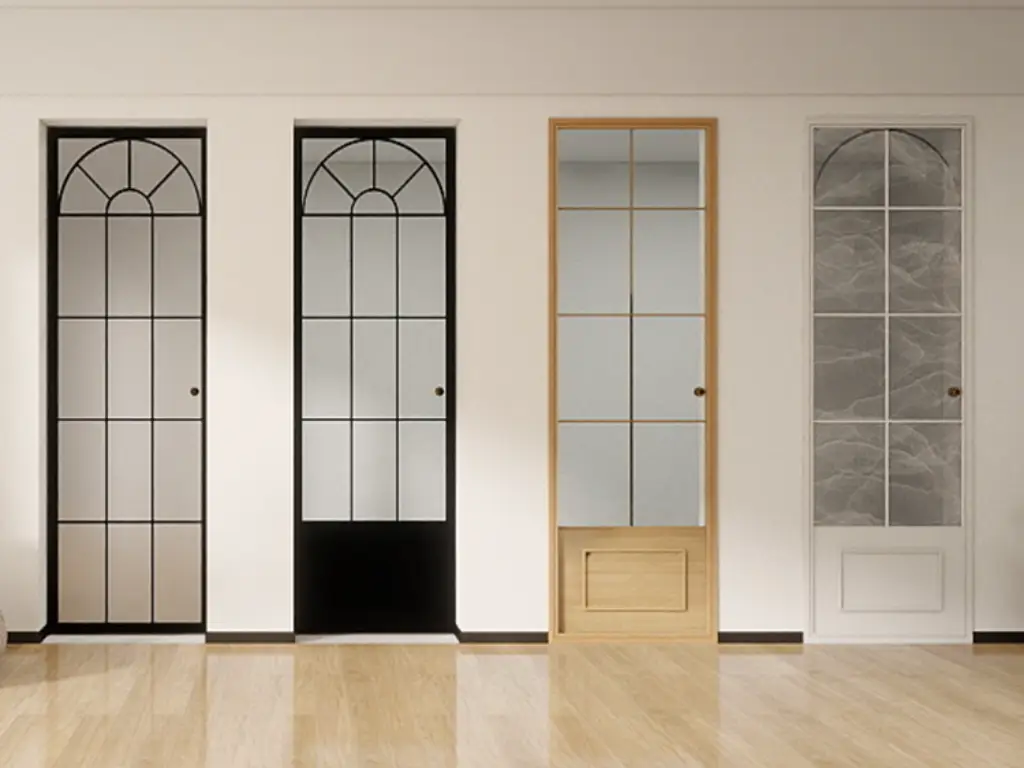
عند اختيار إطارات النوافذ الألومنيوم, يمكن أن يؤدي القرار السيئ إلى ارتفاع التكاليف, انخفاض الأداء, وقضايا الصيانة على المدى الطويل. إنه خيار حاسم يؤثر على كل شيء بدءًا من كفاءة استخدام الطاقة وحتى السلامة الهيكلية للمبنى.
يرشدك هذا الدليل عبر الاعتبارات الأساسية: تأثير سمك الإطار على التكلفة والمتانة, دور الفواصل الحرارية في كفاءة الطاقة, وكيفية مطابقة قوة الإطار مع وزن الزجاج. سنستكشف أيضًا كيفية اختيار الأجهزة المناسبة وما إذا كانت الإطارات المخصصة أو القياسية هي الأفضل لطلباتك المجمعة.
كيف يؤثر سمك الإطار على الأداء والتكلفة?
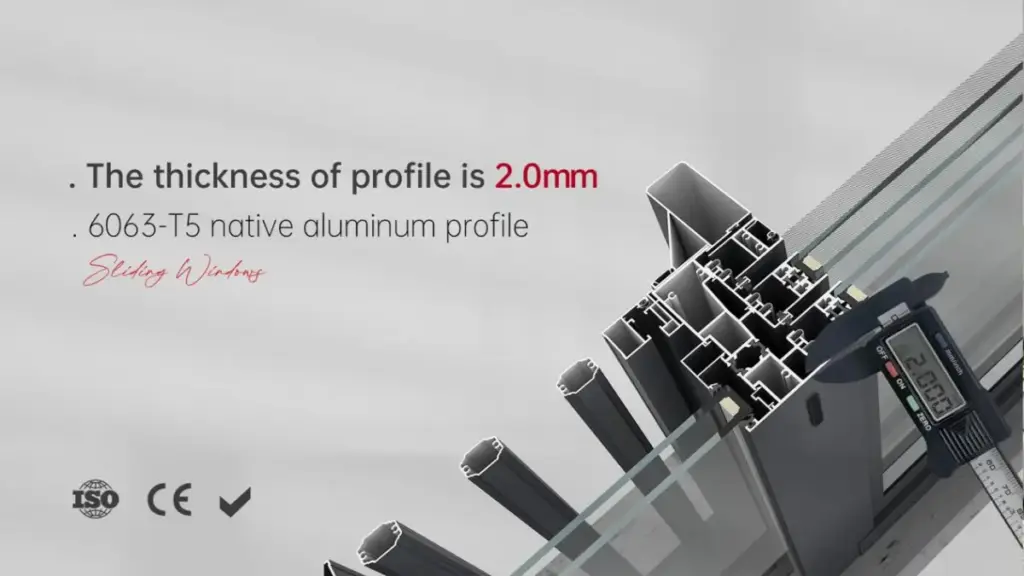
- السلامة الهيكلية: إطارات أكثر سمكا (1.8-2.0 ملم) تحسين المتانة, يدعم مساحات زجاجية أكبر ويوفر مقاومة معززة للظروف الجوية القاسية.
- كفاءة الطاقة: زيادة سمك الإطار يؤدي إلى عزل أفضل, تحقيق قيم U منخفضة تصل إلى 0.86–1.0 واط/م² كلفن (عامل U 0.15–0.17 وحدة حرارية بريطانية/ساعة·قدم²·درجة فهرنهايت), مما يعزز أداء الطاقة.
- ملاءمة التطبيق: تعتبر الملامح السميكة ضرورية للمباني الشاهقة, الساحلية, أو نوافذ كبيرة الحجم, حيث تعد القدرة على التحمل ومقاومة التأثير أمرًا بالغ الأهمية.
- تأثير التكلفة: إطارات متميزة (1.8-2.0 ملم) أضف 20-30% إلى تكاليف المواد مقارنة بالخيارات القياسية, مما يعكس استخدامًا أعلى للمواد الخام وقذفًا أكثر دقة. إجمالي, يمكن أن تتراوح أسعار النوافذ من 200 إلى 1500 دولار لكل وحدة.
- العائد على الاستثمار (العائد على الاستثمار): على الرغم من أن التكاليف الأولية أعلى, توفر الإطارات السميكة قيمة طويلة الأمد مع صيانة منخفضة وعمر افتراضي أطول 40 سنين.
ما هي مواصفات العازل الحراري التي يجب عليك مراعاتها؟?
-1024x576.webp)
- مادة الكسر الحراري: استخدم PA66 GF25 (مادة البولي أميد المقواة بالألياف الزجاجية) للتوصيل الحراري المنخفض (0.3 ث/م ك) مقارنة بالألمنيوم (237 ث/م ك), تعزيز كفاءة الطاقة.
- عرض الشريط الحراري: تتراوح العروض القياسية من 12 إلى 34 ملم, مع أنظمة متقدمة تستخدم ما يصل إلى 24-35 ملم لتحسين العزل.
- أداء عامل U: تحقق الأنظمة عالية الجودة عوامل U منخفضة تصل إلى 0.8-2.0 واط/م²ك, تقليل انتقال الحرارة بشكل كبير.
- سمك الجدار الشخصي: عادة 1.2-2.0 ملم للسلامة الهيكلية, مع بعض الأنظمة التي تستخدم 0.8-1.4 ملم.
- معايير الصناعة: التأكد من الامتثال لمعايير ISO, إن إف آر سي, IECC/ASHRAE 90.1 للكفاءة الحرارية والأداء الميكانيكي.
- اعتبارات إضافية: انتبه إلى حدود تسرب الهواء (≥ 0.375 CFM في 25 ميلا في الساعة) والتشطيبات السطحية مثل أنودة (8-15 ميكرومتر) أو مسحوق الطلاء (60-100 ميكرومتر) من أجل المتانة.
أوبومين F16 (3.0) تجمع النافذة الخارجية المصنوعة من الألومنيوم المكسور بين تقنية الكسر الحراري المتقدمة لمنع توصيل الحرارة, ضمان كفاءة الطاقة والراحة الداخلية.
ما هو ملف التصميم الذي يناسب احتياجاتك الجمالية والوظيفية؟?
- الاعتبارات الجمالية: اختر الملفات الشخصية بناءً على خطوط الرؤية المطلوبة, موازنة ضئيلة, الحد الأدنى من الإطارات (22-55 ملم) مع تفضيلات التصميم, التأكد من أن الإطار يكمل الهندسة المعمارية للمبنى.
- المتطلبات الوظيفية: حدد ملفات التعريف بناءً على نوع النافذة (بابية, انزلاق, ثنائية الطية, إلخ.), قوة للألواح الزجاجية الكبيرة, والأداء في الظروف الجوية مثل مقاومة الرياح وتساقط المياه.
- الكفاءة الحرارية: اختر الملفات الشخصية ذات الفواصل الحرارية (على سبيل المثال, إدراج مادة البولي أميد) لتعزيز العزل, تحقيق قيم U حولها 1.4 W/m²K لأنظمة الزجاج المزدوج.
- أشكال الملفات الشخصية الشائعة: تعتبر الملامح المربعة/المستطيلة شائعة بالنسبة للإطارات, بينما يتم استخدام ملفات تعريف U/L/T/H للدعم والاتصال, غالبًا مع أقسام مجوفة لتقليل الوزن.
- المادة والقوة: للتطبيقات المعمارية, 6063-يُفضل الألومنيوم T5 لإنهائه, بينما يوفر 6061-T6 قوة أعلى للملفات الحاملة.
- الأبعاد والوزن: تختلف الملامح في السمك (على سبيل المثال, 1.4– 1.6 ملم للبابية), مع خيارات مثل نظام MB-Slide الذي يدعم الأوراق الكبيرة (ما يصل الى 3200 س 3200 مم, 400 كجم).
أطلق العنان للأداء الفائق مع نوافذ الألومنيوم OPUOMEN
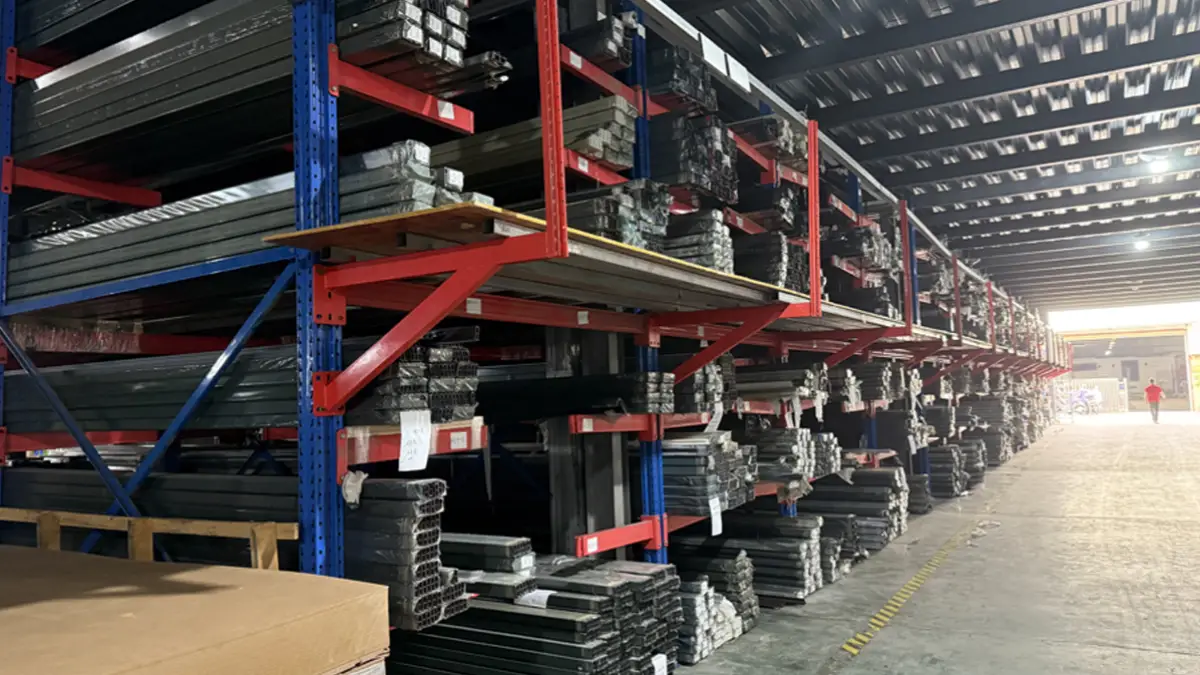
كيفية ضمان متانة اللمسة النهائية والاحتفاظ بالألوان?
اختيار السبائك واللمسات النهائية: تعتمد المتانة والاحتفاظ بالألوان على اختيار السبيكة المناسبة والتشطيب المناسب للبيئة. للتشطيبات المؤكسدة, أأ 5005 يفضل لتوحيد اللون على المدى الطويل, بينما أأ 6063 و أأ 6061 توفر القوة الهيكلية لطلاء المسحوق أو الأنودة.
أنظمة النهاية: طلاء مسحوق (≥50 ميكرومتر) والأكسدة هي أنظمة تشطيب شائعة لإطارات النوافذ المصنوعة من الألومنيوم. يوفر طلاء المسحوق طبقة سميكة, طبقة واقية, في حين أن الأكسدة تعزز مقاومة التآكل والاحتفاظ بالألوان.
التكيف البيئي: تطابق النهاية مع التآكل البيئي, مثل ايزو 12944 C3 للمناطق الحضرية أو C5 (من الدرجة البحرية) للبيئات الساحلية أو ذات الملوحة العالية.
الصيانة والعمر: التشطيبات المطبقة بشكل صحيح يمكن أن تضمن أ 30-45+ عمر خدمة عام مع الحد الأدنى من تدهور اللون. يساعد التنظيف المنتظم باستخدام المنظفات المحايدة في الحفاظ على اللمعان واحتفاظ اللون.
ما هي الأجهزة اللازمة لأنظمة القفل عالية الأداء؟?
-1024x576.webp)
آليات ومواد قفل أساسية متعددة النقاط
تعتمد أنظمة القفل عالية الأداء على آليات قوية متعددة النقاط, والتي تعتبر ضرورية للنوافذ الكبيرة المعرضة لضغوط الرياح العالية ومخاطر الدخول القسري. تشمل المكونات الرئيسية:
- آليات الاسبانيوليت: تتميز بكاميرات الفطر التي تعزز المقاومة ضد جيمي, توفر هذه الآليات عملية تثبيت فائقة, تحسين أمان النوافذ وسلامة الختم.
- طلقات النار: تستخدم لفتحات النوافذ الكبيرة, تعمل مسامير إطلاق النار على نقاط قفل متعددة لتوزيع القوة بالتساوي, منع الانفصال تحت الضغط.
- المزالج كام: غالبا ما تستخدم للنوافذ بابية, هذه توفر ختمًا محكمًا وتمنع الحركة غير المرغوب فيها, ضمان المتانة على المدى الطويل.
عادة ما تكون المكونات مصنوعة من 304/316 الفولاذ المقاوم للصدأ لمقاومة التآكل ومصبوب بالزنك لمزيد من القوة, ضمان المتانة حتى في البيئات القاسية.
معايير الأداء والمتانة
- مقاومة التآكل: تخضع أنظمة القفل لاختبارات تآكل صارمة, مع العديد من الاجتماعات أو تتجاوز EN 1670 درجة 4 المعايير, ضمان أدائها بشكل موثوق حتى في البيئات القاسية, مثل المناطق الساحلية.
- اختبار التحمل: أنظمة عالية الأداء, مثل تلك من Yale وSafeware, يتم اختبارها من أجل المتانة, مع أنظمة مثل Yale التي تدوم حتى 50,000 دورات والوصول إلى Safeware 100,000 دورات, مما يثبت موثوقيتها على المدى الطويل في ظل الاستخدام المستمر.
- تركيب دقيق: ارتفاعات الكاميرا قابلة للتعديل وخيارات الظهر المختلفة (على سبيل المثال, 20مم أو 22 مم لجامعة ييل) ضمان ضغط الحشية الدقيق والملاءمة الآمنة, تعزيز الختم والسلامة الشاملة للنافذة.
- أمان عالي المستوى: الامتثال لدرجة ANSI/BHMA 1 تضمن المعايير قوة قفل فائقة, مما يجعل هذه الأنظمة مناسبة لتطبيقات الأمان العالي, ضمان مقاومة موثوقة ضد الدخول القسري.
كيف يمكنك مطابقة قوة الإطار مع وزن الزجاج وحجمه؟?
حساب وزن الزجاج وحدود المساحة
الحد الأقصى لوزن وحدة الزجاج المعزول (لي) توج بحوالي 225 رطل (باستثناء الإطار) أو 240 رطل (بما في ذلك الإطار في 1 رطل/قدم²). يختلف وزن الزجاج حسب سمكه ونوعه:
- 5مم متجانسة: 2.6 رطل/قدم²
- 5مم / 5 مم زجاج مزدوج: 5.1 رطل/قدم²
- 10مم / 10 مم زجاج مزدوج: 10.2 رطل/قدم²
تعمل أنواع الزجاج السميكة على تقليل الحد الأقصى المسموح به لمنطقة IGU. على سبيل المثال, تشمل مناطق IGU القصوى النموذجية 40 قدم مربع لزجاج مزدوج 5 مم و 35 قدم مربع للزجاج الثلاثي 5 مم.
تصميم الإطار للدعم الهيكلي
لدعم الأوزان الزجاجية, تساهم إطارات الألومنيوم تقريبًا 1 رطل/قدم² إلى إجمالي وزن النافذة. يتراوح سمك الإطار عادة من 50-75 مم (2– 3 بوصات) لدعم الحمل الكافي. للتطبيقات عالية الضغط, كما هو الحال في المناطق المعرضة للأعاصير, يمكن أن يصل سمك الدعامة إلى 8 مم.
يجب أن تلبي الإطارات معايير حمل الرياح الصارمة 1600-2000 بنسلفانيا (تم اختباره وفقًا لمعيار ASTM E330) للتأكد من قدرتهم على تحمل الضغوط البيئية. يتضمن التحقق الهيكلي أيضًا حدود الانحراف وفقًا لمعيار ASTM F2248, تضمن الإطارات تقليل الحركة مع دعم أوزان IGU.
| المواصفات الرئيسية | القيمة النموذجية | ملاحظات/معايير |
|---|---|---|
| أقصى وزن إجمالي للنافذة | ~ 240 رطلا | يشمل الزجاج & إطار |
| ماكس إيغو الوزن (الزجاج فقط) | ~ 225 رطلا | يستبعد الإطار |
| مساهمة وزن الإطار | 1 رطل/قدم² | لتأطير جدار نافذة الألومنيوم |
| سمك الإطار (عام) | 50-75 مم (2-3 بوصة) | للحصول على الدعم الكافي |
| سمك عضادة | دقيقة 1.4 مم | حتى 8 ملم لقضبان الإعصار |
| معيار حمل الرياح | 1600-2000 بنسلفانيا | تم اختباره وفقًا لمعيار ASTM E330 |
| حدود الانحراف | لكل ASTM F2248 | معايير لدغة الزجاج |
هل يجب عليك اختيار إطارات مخصصة أو قياسية للطلبات بالجملة؟?
فوائد الإطارات القياسية للطلبات بالجملة
تم تصميم الإطارات القياسية مسبقًا بتكوينات ثابتة, تقديم وفورات في التكاليف وفترات زمنية أسرع. مثالية للمشاريع حيث يمكن للتصميمات أن تستوعب أحجام الكتالوج, عادةً ما تؤدي الطلبات المجمعة للوحدات القياسية إلى خفض أسعار الوحدات من 100 إلى 400 دولار لكل نافذة. أنها تبسيط المشتريات, اللوجستية, والتركيب, السماح لجداول المشروع المضغوطة, مما يجعلها خيارًا رائعًا للميزانية, المشاريع الحساسة للوقت.
مزايا الإطارات المخصصة للدقة والأداء
تم تصميم الإطارات المخصصة وفقًا للأبعاد الدقيقة, الأشكال, الألوان, واحتياجات الأداء, مثل الفواصل الحرارية المتقدمة والطلاءات الخاصة. على الرغم من أن التكاليف تتراوح بين 300 إلى 4000 دولار لكل وحدة مع فترات زمنية أطول (6-8+ أسابيع), أنها توفر دقة لا مثيل لها, تقليل إعادة العمل في الموقع وتعزيز المتانة على المدى الطويل.
إطارات مخصصة مثالية للمشاريع عالية الأداء ذات الأشكال الهندسية المعقدة, رموز الطاقة, أو المتطلبات المتخصصة, تقديم عزل فائق وفوائد طويلة الأجل على الرغم من الاستثمار الأولي الأعلى.
الأفكار النهائية
يتضمن اختيار إطارات النوافذ المصنوعة من الألومنيوم المناسبة لمشاريع B2B تحقيق التوازن بين السلامة الهيكلية, الأداء الحراري, والاحتياجات الجمالية مع البقاء في حدود الميزانية. يضمن الاختيار المستنير كفاءة أفضل في استخدام الطاقة, صيانة مخفضة, وتوفير التكاليف على المدى الطويل.
للحصول على أداء فائق وتخصيص, يختار نوافذ الألمنيوم OPUOMEN. مع تكنولوجيا العزل الحراري المتطورة والحلول المخصصة, نحن نقدم جودة دائمة لمشاريعك الأكثر تطلبًا. اتصل بنا اليوم للبدء.
الأسئلة المتداولة
ما هو الحد الأدنى لسمك الملف الشخصي المطلوب للمناطق المعرضة للأعاصير?
لإطارات النوافذ المصنوعة من الألومنيوم في المناطق المعرضة للأعاصير / المناطق الساحلية شديدة الرياح, تشير الإرشادات الفنية الصناعية إلى أن سمك الجدار الجانبي لا يقل عن 1.8-2.0 ملم, مع العديد من الأنظمة الصناعية والظروف القاسية التي تستخدم 2.5 مم وما فوق للحصول على أقصى قدر من الصلابة ومقاومة الصدمات. تُظهر مواصفات النوافذ التجارية المصنوعة من الألومنيوم والمصنفة للإعصار سماكة جدار الإطار المبثوق عادةً في حدود 2.0-2.5 مم تقريبًا (0.080-0.100 بوصة) نطاق الوحدات المقاومة للصدمات التي تم اختبارها لضغوط تتراوح بين 75-195 رطل قدم مربع.
كيف أتحقق من جودة مادة العازل الحراري?
التحقق من جودة الكسر الحراري من خلال طلب شهادات اختبار الدفعة والتحقق من أن المظهر الجانبي العازل وقسم الألومنيوم المكسور حرارياً المُجمَّع يتوافق مع معايير الأداء الميكانيكية والحرارية المحددة (على سبيل المثال, في 14024 الأداء الهيكلي للملفات المكسورة حرارياً, ASTM C518 للتوصيل الحراري/قيمة R, ASTM D1621/D695 لقوة الضغط), مدعومة بشهادة الجودة (COQ), تقرير المحاكاة الحرارية (على سبيل المثال, إن إف آر سي 100/200 قائم على), وشهادة نظام إدارة الجودة للموردين (ISO 9001/14001/45001).
ما هو الفرق بين AAMA 2603 و أما 2605 طلاءات مسحوق?
أماما 2603 هو المعيار الأساسي لطلاءات المساحيق مع الحد الأدنى من الاحتفاظ بالألوان واللمعان (1-سنة التعرض لجنوب فلوريدا, تغييرات طفيفة مسموح بها), مناسبة للديكورات الداخلية أو الخارجية المعتدلة; أماما 2605 هو المعيار الفائق الذي يتطلب أداءً استثنائيًا على المدى الطويل (10-سنة التعرض لجنوب فلوريدا, >50% الاحتفاظ باللمعان, <10% فقدان التآكل, ≥5 تغيير لون دلتا E).
هل يعني شكل الألومنيوم الأوسع دائمًا قيمة U أفضل؟?
لا. عادةً ما يؤدي المظهر الجانبي الأوسع من الألومنيوم إلى جعل قيمة U للنافذة العامة أسوأ, ليس أفضل, لأنه يزيد من مساحة الإطار, وإطارات الألومنيوم لديها أعلى بكثير (أفقر) الإطار U-value Uf ≈ 1.6–2.0 واط/م² كلفن مقارنة بالزجاج الحديث Ug ≈ 0.5-1.1 واط/م² كلفن. ضمن نظام معين, الألومنيوم أكثر وضوحا مقابل. الزجاج يثير دائما تقريبا (يتفاقم) آه, ما لم يضيف تغيير المظهر الجانبي أيضًا فواصل حرارية فعالة أو عزلًا يؤدي إلى خفض الإطار Uf بشكل ملموس.