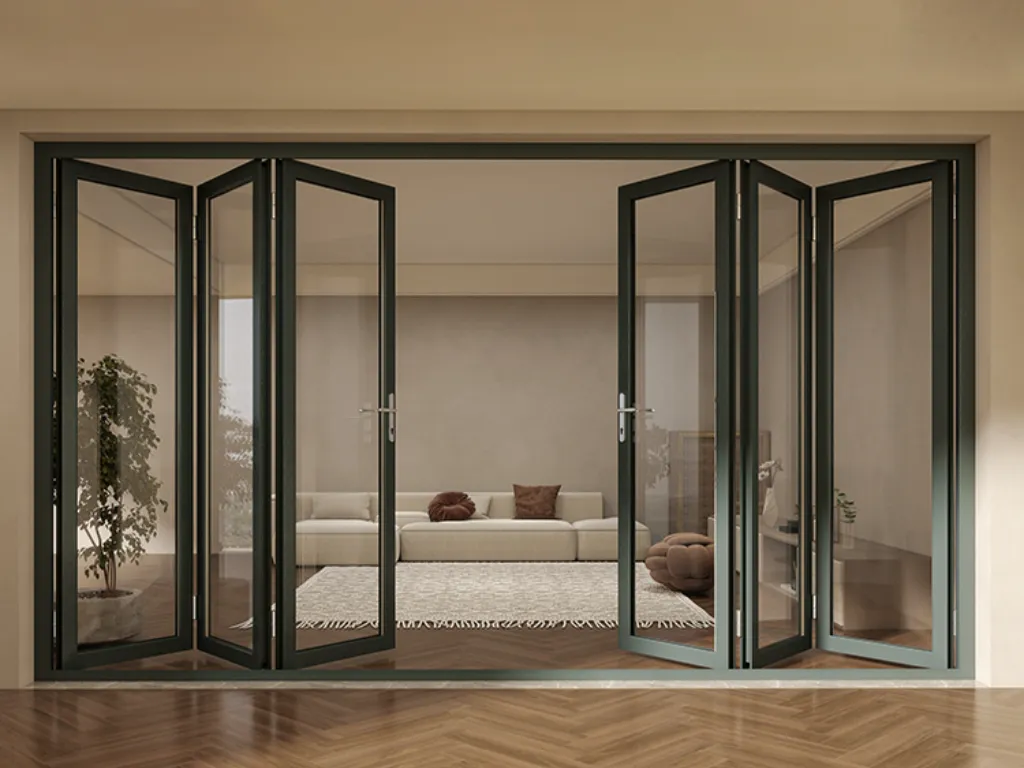
عند تحديد أنظمة أبواب الألمنيوم, يعد فهم الاختلافات بين الخيارات التجارية والسكنية أمرًا ضروريًا لتجنب الأخطاء المكلفة. يستكشف هذا المقال الفروق الرئيسية, مع التركيز على الجوانب الهيكلية مثل سمك الجدار, متانة الأجهزة, ومعايير الأداء الحراري. كما يغطي متطلبات الامتثال, الاعتبارات الجمالية, وهياكل التكلفة, توفير دليل شامل لمساعدتك على اتخاذ قرارات مستنيرة لكل من المشاريع التجارية والسكنية.
قوة الملف الشخصي
سمك الجدار
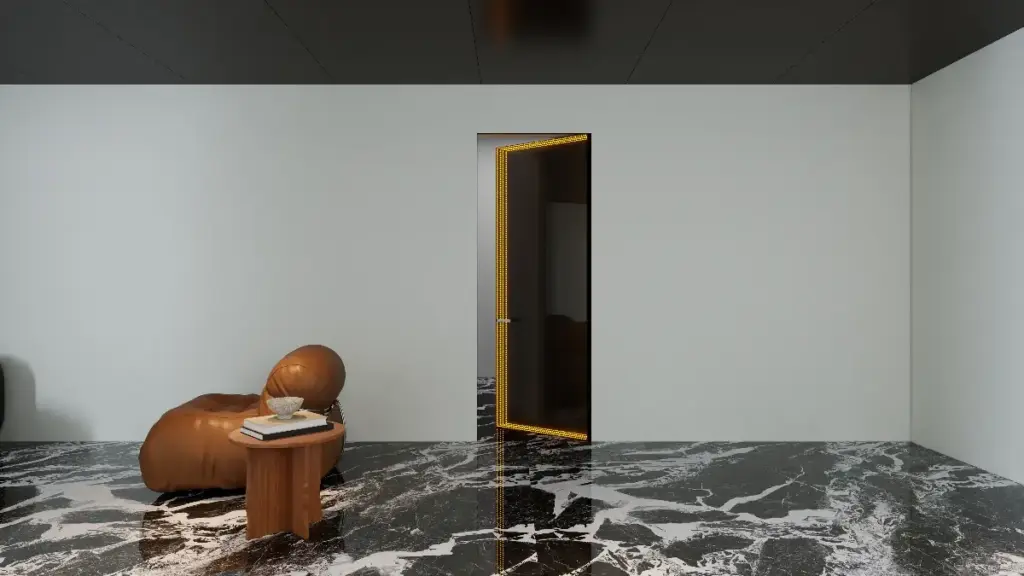
تتميز أبواب الألمنيوم التجارية عادةً بسماكة جدار تتراوح من 0.090 ل 0.125 بوصة (2.3-3.2 ملم) للبلاطات والقضبان الأولية. تم تصميم هذه التشكيلات السميكة لدعم الألواح الزجاجية الأكبر حجمًا, التعامل مع الأحمال الثقيلة, وتحمل الرياح العاتية وقوى التأثير.
في المقابل, تستخدم الأبواب السكنية أقسام حائط أخف (0.050-0.080 بوصة أو 1.3-2.0 ملم), مع التركيز على الجماليات والكفاءة المادية لتقليل المتطلبات الهيكلية والمرورية.
متطلبات التعزيز
تتطلب الأبواب التجارية تعزيزًا داخليًا لدعم حركة المرور العالية, الأجهزة الثقيلة, وزيادة الاحتياجات الأمنية. التعزيزات, مثل قضبان المفصلات/القفل السميكة والألواح المستمرة, ضرورية للتعامل مع الأحمال الثقيلة والوحدات الزجاجية الكبيرة.
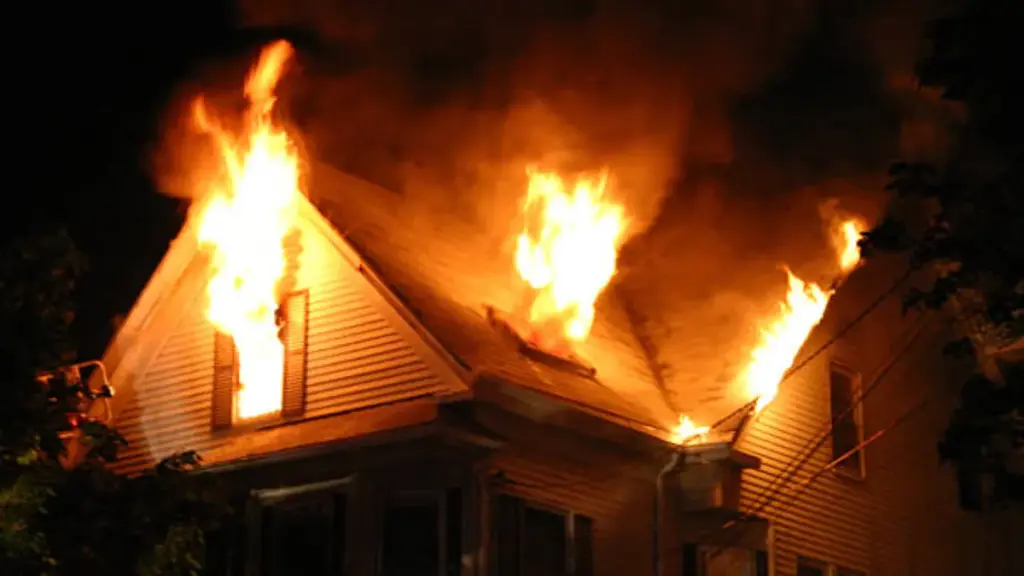
أبواب سكنية, لكن, تتميز عادة بالحد الأدنى من التعزيز, نظرًا لأنها مصممة للاستخدام الأخف مع انخفاض الطلب على الأجهزة الثقيلة أو الأمان. قد تشتمل أنظمة الأبواب التجارية أيضًا على تقييمات للحريق (45-120 دقيقة), وهو شرط غائب في كثير من الأحيان في الأبواب السكنية.
تصنيف الأجهزة: دورات, حمولة, وأقفال من الدرجة التجارية
تم تصميم أنظمة الأبواب المصنوعة من الألومنيوم من الدرجة التجارية لتناسب البيئات الصعبة. تتلقى هذه الأنظمة تصنيفات محددة لعدد الدورات العالية, أحمال الرياح الثقيلة, وآليات قفل قوية. تضمن تقييمات الأجهزة المتانة والأمان على المدى الطويل, وهو أمر أساسي لتطبيقات الأعمال التجارية المزدحمة مثل واجهات المتاجر.
المقاييس الرئيسية
دورة الحياة: أبواب تجارية, مثل الباب العلوي 511, عادة ما يكون لها تصنيف 10,000 دورات, دعم العمليات اليومية المتكررة. عادة ما يكون للأبواب السكنية تصنيفات دورة أقل.
سعة التحميل: تتعامل الأنظمة مع أحمال الرياح الكبيرة, استيعاب مساحات كبيرة تصل إلى 500 قدم مربع (على سبيل المثال, هاس CA-320/320i) بقوة 1-3/4″ ألواح الألمنيوم السميكة.
آليات القفل: أنها تتضمن المجلفن, أقفال مثبتة في الداخل, توفير مقاومة معززة للعبث والأمن للمباني التجارية. توضح هذه المقاييس اختلاف الأداء عن الأنظمة السكنية, والتي عمومًا لها مواصفات واجب أخف.
للاحتياجات الخاصة بالمشروع, يوصى باستشارة البيانات الهندسية للشركة المصنعة أو معايير حمل الرياح ASTM E330.
مقارنة بالأبواب السكنية
النماذج التجارية, مثل الباب العلوي, تحديد 10,000 دورات للاستخدام المتكرر (على سبيل المثال, 25+ العمليات اليومية على مدى سنوات عديدة), بينما غالبًا ما يكون للأبواب السكنية حد أقصى يبلغ 5,000-10,000 دورات ولكنها مخصصة للواجبات الخفيفة.
الأبواب التجارية مقاومة للرياح للمساحات الكبيرة (226-500 قدم مربع) واستخدام الألومنيوم الثقيل (1-3/4″ سميك), تختلف عن الأبواب السكنية الأصغر حجمًا والأخف وزنًا (تحت 200 قدم مربع).
للأمن, الإعدادات التجارية تستخدم المجلفن, أقفال مثبتة في الداخل لمقاومة العبث; تعتمد الأبواب السكنية عادة على مسامير الشريحة الأساسية.
يمكن أن تختلف الدورة الدقيقة واختبار الحمل حسب الشهادة (مثل DASMA للحرارة, IECC للأختام). غالبًا ما تعطي الأبواب المتأرجحة لواجهة المتجر الأولوية لقدرة الأجهزة على التكيف على حساب عدد الدورات. للحصول على تقييمات خاصة بالمشروع, راجع معايير حمل الرياح ASTM E330 أو البيانات الهندسية للشركة المصنعة.
مصممة للتميز: شريكك لأبواب الألمنيوم المتميزة
الامتثال للقانون: البناء المحلي وتغيرات كود الحريق
تحدد قوانين البناء والحريق المحلية الباب, الأجهزة, ومتطلبات الخروج بناءً على فئة المساحة (على سبيل المثال, حَشد, سكني). هذه اللوائح تضمن السلامة, إمكانية الوصول, وكفاءة الطاقة. لكن, غالبًا ما تتطلب أنظمة أبواب الألومنيوم التجارية اختلافات عند تطبيقها في البيئات السكنية أو المشاريع متعددة الاستخدامات.
المبررات الفنية والموافقات على أساس الأداء
يتطلب تحقيق تقييمات مقاومة الحريق لأبواب الألومنيوم في الحواجز المقدرة تأطيرًا محددًا, النوى, والزجاج المقاوم للحريق, غالبًا ما تتطلب اختبارات الأداء للتجمعات غير القياسية.
تسمح تباينات الخروج بتخفيف قواعد أجهزة الذعر أو قواعد تأرجح الأبواب في الردهات السكنية إذا أظهرت نماذج تحميل الركاب والإخلاء سلامة حياة متساوية, ضمان الخروج دون عائق دائمًا.
يمكن لنمذجة الطاقة في المبنى بأكمله أن تبرر استخدام أنظمة المداخل التجارية ذات الزجاج العالي في المساحات المكيفة عن طريق تعويض خسائر الأبواب بمكونات غلافية عالية الأداء.
لإمكانية الوصول في التعديلات التحديثية التاريخية أو المواقع المقيدة, قد تأخذ السلطات في الاعتبار الفروق ولكنها عادةً ما تفرض تدابير تعويضية مثل المشغلين التلقائيين أو الأجهزة المعدلة.
التنقل في اللوائح المحلية واعتبارات المنطقة التاريخية
تنفذ العديد من الولايات القضائية تعديلات محلية, المبادئ التوجيهية للمنطقة التاريخية, أو تقييمات التصميم, التي تقيد المواد, خطوط الرؤية, وانعكاس واجهات المحلات وأبواب الدخول بما يتجاوز الرموز الأساسية.
يبحث المصممون في كثير من الأحيان عن اختلافات في أنظمة أبواب الألومنيوم التجارية ذات خطوط الرؤية الضيقة أو الألواح الزجاجية الكبيرة في المناطق التي تفضل فيها النسب التقليدية أو الزجاج المنخفض.
قد تمنح السلطات الفروق عندما يتم تفصيل أنظمة الألومنيوم لتتناسب مع الملامح التاريخية, السيطرة على تسرب الضوء, أو تقليل الكتلة المتصورة, مع تلبية معايير سلامة الحياة والطاقة باستمرار.
الجماليات والحجم
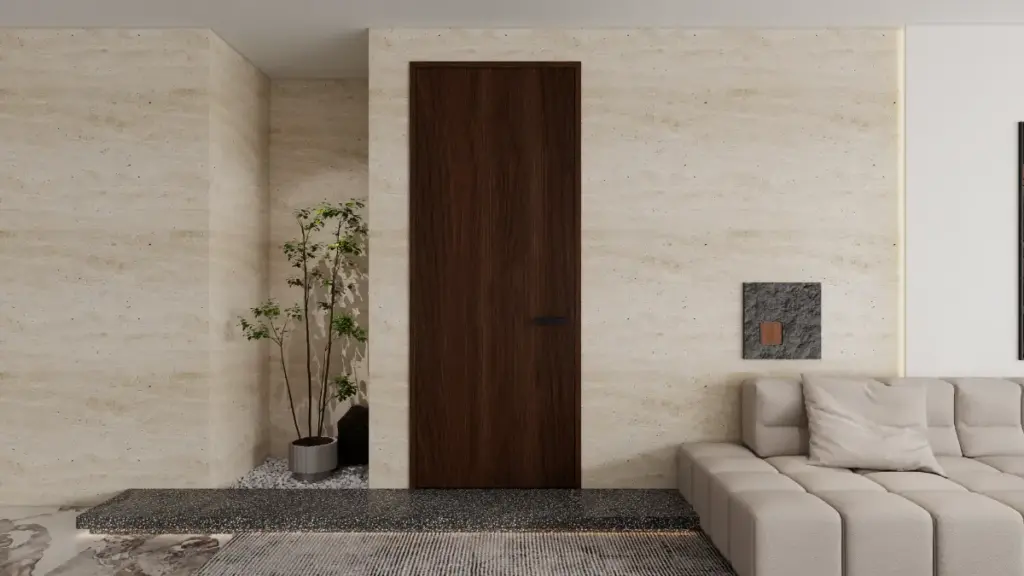
تختلف أبواب الألومنيوم التجارية والسكنية بشكل كبير في التصميم, بشكل رئيسي في الجانبين التاليين:
تصميم خط البصر للنداء البصري
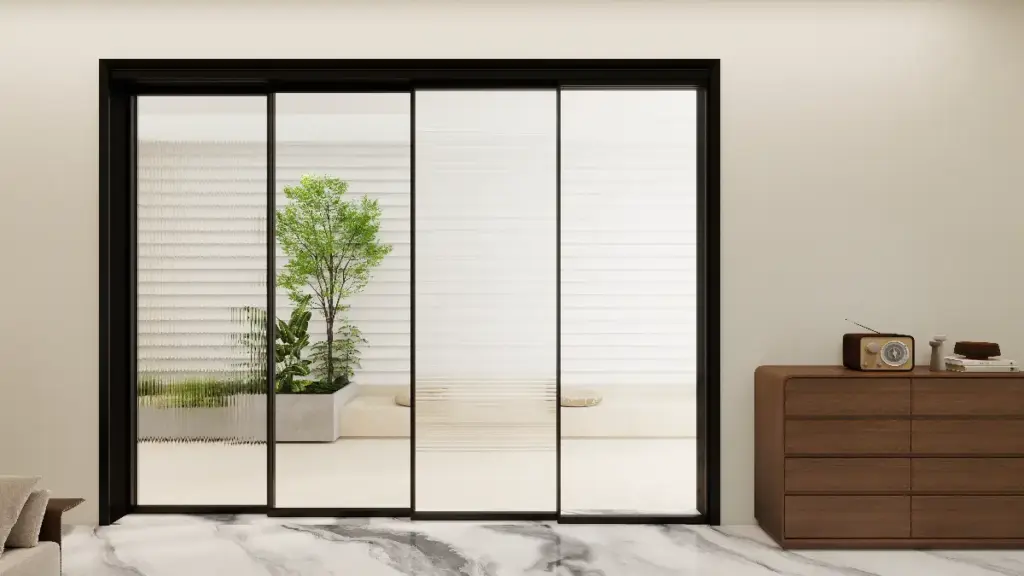
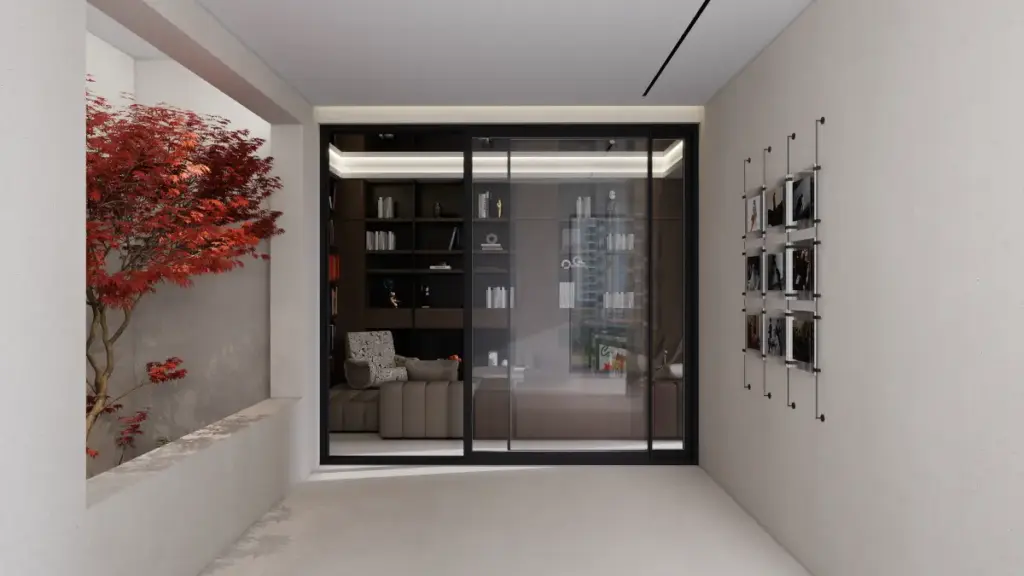
تتميز أبواب الألمنيوم التجارية عادةً ببلاطات ضيقة, تتراوح من 1.5 ل 2.5 بوصة, إنشاء مساحة زجاجية أكبر لتحسين الجمال والضوء الطبيعي. تعتبر هذه التشكيلات الرفيعة مثالية لواجهات المتاجر والمناطق ذات الازدحام الشديد, تقدم حديثة, مظهر أنيق.
في المقابل, تميل الأبواب السكنية إلى أن تكون ذات أعمدة أوسع لمزيد من القوة والدعم الهيكلي, إعطاء الأولوية للمتانة على الجماليات, على الرغم من أن بعض النماذج السكنية المكسورة حرارياً تتبنى الآن أشكالًا أقل حجماً.
الحد الأقصى لقدرات وتكوينات الفتحة
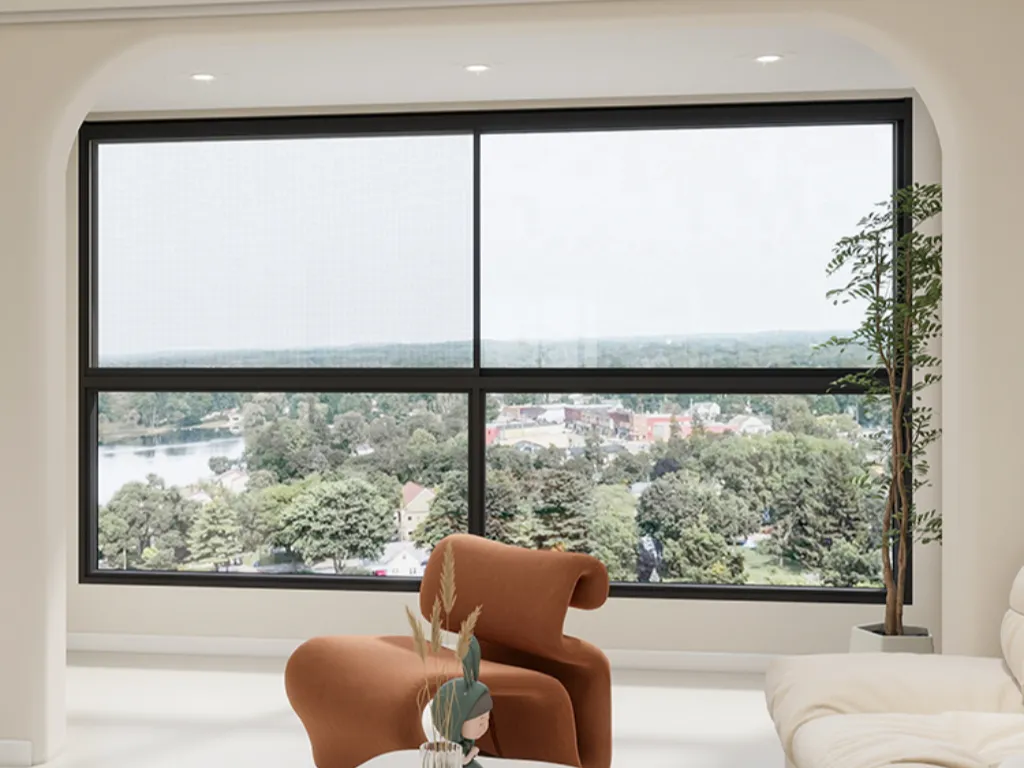
تم تصميم الأنظمة التجارية لاستيعاب أبعاد الفتحة الكبيرة نظرًا لنسبة القوة إلى الوزن العالية للألمنيوم. يمكن لهذه الأبواب أن تدعم الألواح الزجاجية والتكوينات الموسعة, مثل الأنظمة متعددة الشرائح أو ثنائية الطي, والتي تعتبر أساسية للمساحات التجارية الحديثة.
أبواب سكنية, لكن, عادةً ما تكون مصممة للفتحات الأصغر ذات تكوينات اللوحة المحدودة, موازنة القوة والكفاءة مع الاحتياجات الجمالية للبيئات المنزلية.
الأداء الحراري
تقيس قيمة U انتقال الحرارة من خلال نظام الباب. تشير القيم المنخفضة إلى عزل أفضل, يتم قياسه عادةً بـ W/m²K. الموصلية العالية للألمنيوم تعني الفواصل الحرارية, مثل قضبان البولياميد, هناك حاجة لتحقيق قيم U منخفضة.
يمكن أن تقلل الفواصل الحرارية من فقدان الحرارة بنسبة تصل إلى 55% عند دمجها مع الزجاج المزدوج Low-E. غالبًا ما تحتوي أبواب الألمنيوم القياسية غير المعزولة على قيم U تتراوح بين 4.5-5.5 واط/م² كلفن, مما يدل على الحاجة للترقيات الحرارية.
تستهدف أبواب الألومنيوم السكنية عادةً قيم U التي تبلغ 1.2-1.6 واط/م² كلفن لتعزيز كفاءة استخدام الطاقة. خيارات متميزة, مثل الأنظمة المكسورة حرارياً ذات الزجاج الثلاثي, يمكن تحقيق قيم منخفضة مثل 1.2 واط/م²ك, تحسين العزل وخفض تكاليف التدفئة.
تحدد أبواب الألومنيوم التجارية أهدافًا أكثر صرامة للقيمة U, مثل .50.5 واط/م² كلفن للأبواب غير الشفافة في المناخات الباردة, بعد ASHRAE 90.1 المعايير. للمناخات المعتدلة, تتطلب الأنظمة التجارية عادةً ≥0.77 واط/م² كلفن. قد تحقق أنظمة واجهة المتجر عالية الأداء قيم U منخفضة مثل 0.327 واط/م²ك, دعم توفير الطاقة والامتثال لقوانين البناء.
السائبة مقابل. هيكل تكلفة الطلب المخصص
يتبع الطلب بالجملة لوحدات أبواب الألومنيوم التجارية أو السكنية القياسية ما يمكن التنبؤ به, نطاق السعر لكل باب. معيار, الأبواب القائمة على الكتالوج (بأحجام قياسية, التشطيبات, والأجهزة) تقع عادةً عند الطرف الأدنى من نطاقات الأسعار المنشورة.
يتم تسعير الأبواب المصممة خصيصًا على أساس كل مشروع, دمج أقساط التصميم والتصنيع الأعلى. أحجام مخصصة, التشطيبات, تزجيج, وخيارات الأداء تدفع الأسعار إلى أعلى المستويات أو تتجاوز النطاقات القياسية.
تسعير الطلبات بالجملة
توفر الطلبات المجمعة لأبواب الألمنيوم القياسية تكاليف أقل لكل وحدة بسبب توفير الحجم. الأسعار القياسية, تتراوح الأبواب غير المخصصة عادة من:
- $250 ل $500 للوحدات المفصلية أو الداخلية الأبسط.
- $1,000 ل $3,000 لأبواب الفناء/الدخول المعزولة بشكل أفضل أو المعقدة.
- $400 ل $2,000 لوحدات الواجهة التجارية (الباب فقط), مع تكاليف التركيب تتراوح من $650 ل $2,280 لكل افتتاح.
بكميات كبيرة, يميل تسعير الوحدات إلى التقارب نحو الحد الأدنى حيث يتم توزيع تكاليف المواد واللوجستيات عبر العديد من الوحدات.
تسعير الطلب المخصص
أبواب ألمنيوم مصممة حسب الطلب, بسعر على أساس كل مشروع, تحمل أقساط تصميم وتصنيع أعلى. تشمل نقاط التسعير الرئيسية:
- $1,100 ل $5,300+ لكل فتحة للأبواب التجارية المخصصة.
- عادةً ما تبدأ الأبواب المخصصة لمرة واحدة عند $1,000 ل $2,000 ويمكن أن يتجاوز $5,000 للتصاميم المتخصصة.
تتضمن الطلبات المخصصة تكاليف إضافية للأحجام غير القياسية, زجاج عالي الأداء, والفواصل الحرارية.
إجمالي تكاليف المشروع
يجب أن تتضمن ميزانية المشروع التأطير, تزجيج, الأجهزة, والعمل. تتضمن أمثلة التسعير للأنظمة المثبتة:
- $1,200 ل $4,000+ لأبواب واجهة المحل.
- $3,000 ل $8,000+ للأبواب المنزلقة الأوتوماتيكية.
- $1,000 ل $3,500+ للأبواب السكنية القياسية (مثبتة).
- $2,500 ل $6,500+ للأبواب المخصصة عالية الأداء ذات التشطيبات والأجهزة المتخصصة.
الأفكار النهائية
التجارية والسكنية أبواب الألمنيوم تخدم أغراض مختلفة. تم تصميم الأبواب التجارية من أجل المتانة, الاستخدام الثقيل, والامتثال الصارم للقانون, مع ملفات تعريف أكثر سمكًا ومعايير أداء أعلى. أبواب سكنية, في أثناء, ركز على الجماليات والاستخدام الأخف مع أشكال أقل حجماً ومتطلبات أقل.
يعد اختيار الباب الصحيح أمرًا بالغ الأهمية لتجنب مشكلات الأداء وانتهاكات التعليمات البرمجية. في Opuo, نحن نقدم أبواب ألمنيوم عالية الجودة لكل من المشاريع التجارية والسكنية, ضمان الملاءمة المثالية لاحتياجاتك. تواصل معنا اليوم للعثور على الحل الأمثل لمشروعك.
الأسئلة المتداولة
هل يجوز استخدام الأبواب السكنية في واجهات المحلات التجارية الصغيرة؟?
لا, لا يجوز استخدام الأبواب السكنية في واجهات المحلات التجارية الصغيرة. الأبواب السكنية تفتقر إلى المتانة, مقاس, القوة المادية, ميزات الأمان, والامتثال للتعليمات البرمجية المطلوبة للتطبيقات التجارية. يجب أن تستوفي الأبواب التجارية معايير أكثر صرامة فيما يتعلق بالحجم (على سبيل المثال, 84 ارتفاع بوصة, 36 عرض بوصة), سماكة (الحد الأدنى 1¾ بوصة), والأجهزة (درجة أنسي 1 أو 2, مدرج في قائمة UL, متوافق مع ADA). يجب عليهم أيضًا تلبية تقييمات الحرائق, مقاومة التأثير, واللوائح الأمنية. يؤدي استخدام الأبواب السكنية في الأماكن التجارية إلى المخاطرة بانتهاك قواعد البناء, عمليات التفتيش الفاشلة, مخاطر السلامة, وعمر أقصر في ظل حركة المرور العالية. استشر دائمًا قوانين البناء المحلية وحدد أنظمة واجهات المحلات التجارية المصنوعة من الألومنيوم.
كيف تختلف متطلبات أجهزة الذعر بالنسبة لأبواب الألومنيوم التجارية?
يتم تحديد متطلبات الأجهزة المذعورة من خلال قوانين البناء وسلامة الحياة الخاصة بالإشغالات التجارية, كونها أكثر صرامة بكثير من الأبواب السكنية. أبواب المدخل التجارية المصنوعة من الألومنيوم تخدم التجميع, التعليمية, المؤسسية, والمساحات عالية الخطورة مع حمولة شاغلة تبلغ 50 يجب أن يكون الأشخاص أو أكثر قد قاموا بإدراج أجهزة الذعر أو الخروج من الحريق على جميع أبواب الخروج في مسار السفر. أجهزة الذعر مطلوبة أيضًا بموجب قانون الكهرباء الوطني في الداخل 25 أقدام بعض مساحات العمل الكهربائية. يجب تركيب جزء التشغيل بين 34 و 48 بوصة فوق الأرضية النهائية, تمتد على الأقل إلى نصف عرض ورقة الباب, وتعمل بأقصى قوة 15 lbf (أحيانا 5 lbf). يجب أن تكون هذه الأجهزة UL 305 المدرجة (أو UL 10C لأجهزة خروج الحريق) ومتوافق مع أنظمة الألومنيوم الضيقة, في كثير من الأحيان باستخدام الحافة, قضيب عمودي مخفي, أو أجهزة الكابل. لا تخضع الأبواب السكنية عمومًا لتفويضات أجهزة الذعر هذه وعادةً ما تستخدم الأقفال القياسية أو المسامير المقفلة.
ما هي دورة الحياة المتوقعة لأختام الأبواب المصنوعة من الألومنيوم التجاري؟?
عادة ما يكون لأختام الأبواب المصنوعة من الألومنيوم من الدرجة التجارية متوسط دورة حياة متوقعة تقريبًا 5 سنوات للحشيات المطاطية أو الفينيل القياسية. لكن, يمكن أن يختلف هذا من 2 ل 10 سنوات حسب نوع المادة, صيانة, والظروف البيئية. على سبيل المثال, قد تستمر قنوات الفينيل U لمدة 2-3 سنوات, المصابيح المطاطية 5-7 سنوات, وأختام الفرشاة 7-10 سنوات. العوامل التي تؤثر بشكل كبير على طول العمر تشمل جودة التثبيت, التنظيف والتفتيش المنتظم, تردد استخدام الباب, والتعرض لعوامل الطقس القاسية مثل الرطوبة أو الملح. في حين أن أبواب الألمنيوم نفسها يمكن أن تستمر لمدة 10-15 سنة أو أكثر, الأختام هي مواد استهلاكية تتطلب استبدالًا متكررًا.
هل الأبواب التجارية دائما غير عازلة للحرارة?
لا, الأبواب التجارية ليست دائما غير عازلة للحرارة. في حين أن العديد من أبواب الألومنيوم التجارية القياسية تكون غير قابلة للكسر الحراري من حيث التكلفة والبساطة, تتوفر خيارات العزل الحراري وغالبًا ما يتم اختيارها لتعزيز كفاءة الطاقة والاستدامة. انقطاع حراري, عادة ما تكون مصنوعة من مادة البولي أميد, يفصل بين إطارات الألومنيوم الداخلية والخارجية لتقليل توصيل الحرارة. تعتبر الأبواب ذات الفواصل الحرارية ضرورية للمكاتب أو المساحات التجارية في المناخات ذات درجات الحرارة القصوى لتقليل تكاليف التدفئة والتبريد. تعتمد الحاجة إلى العزل الحراري على أهداف أداء الطاقة المحددة للمبنى, المناخ المحلي, ومتطلبات الكود, مما يدل على أن الأبواب التجارية يمكن بالفعل أن تنكسر حرارياً.