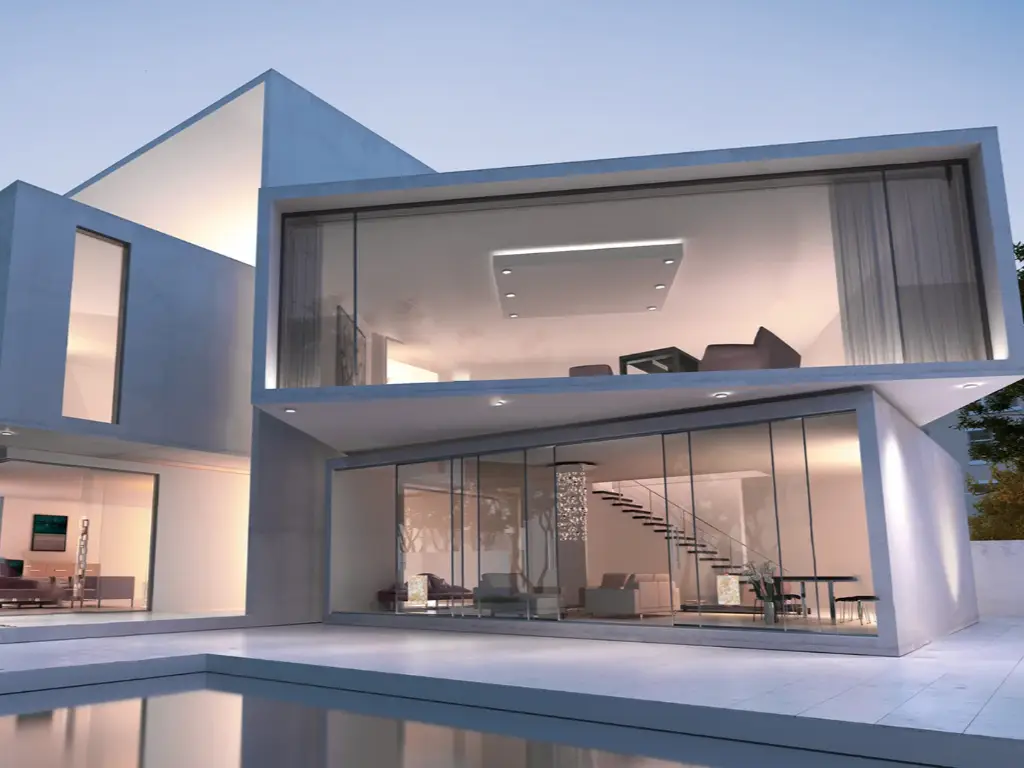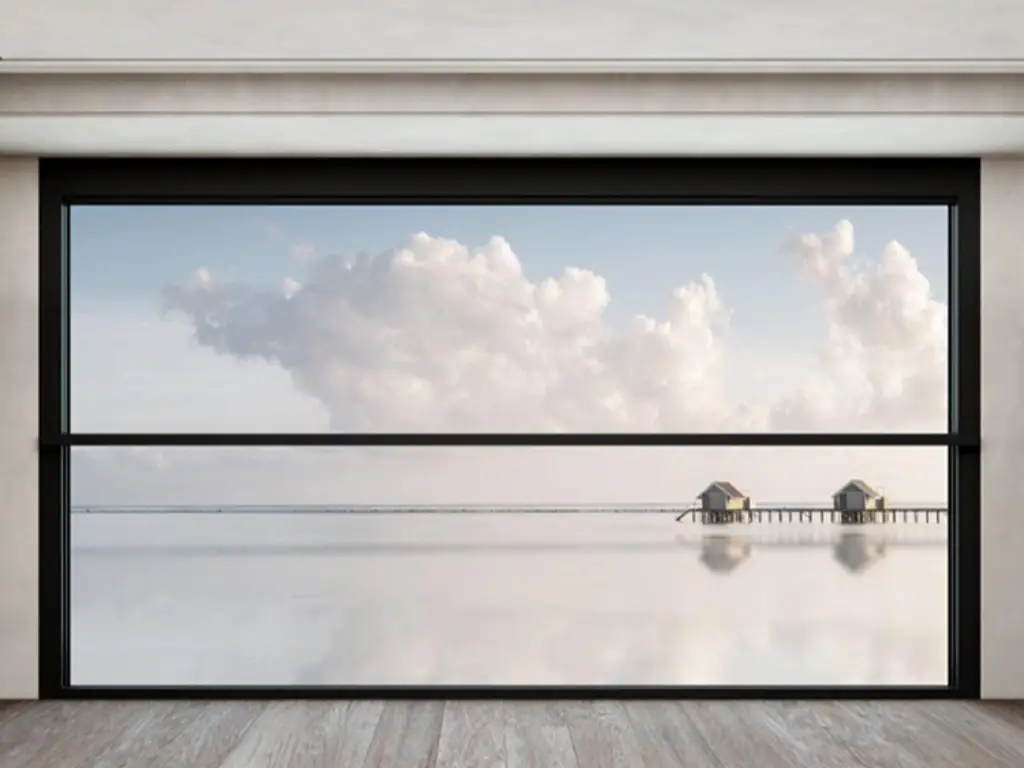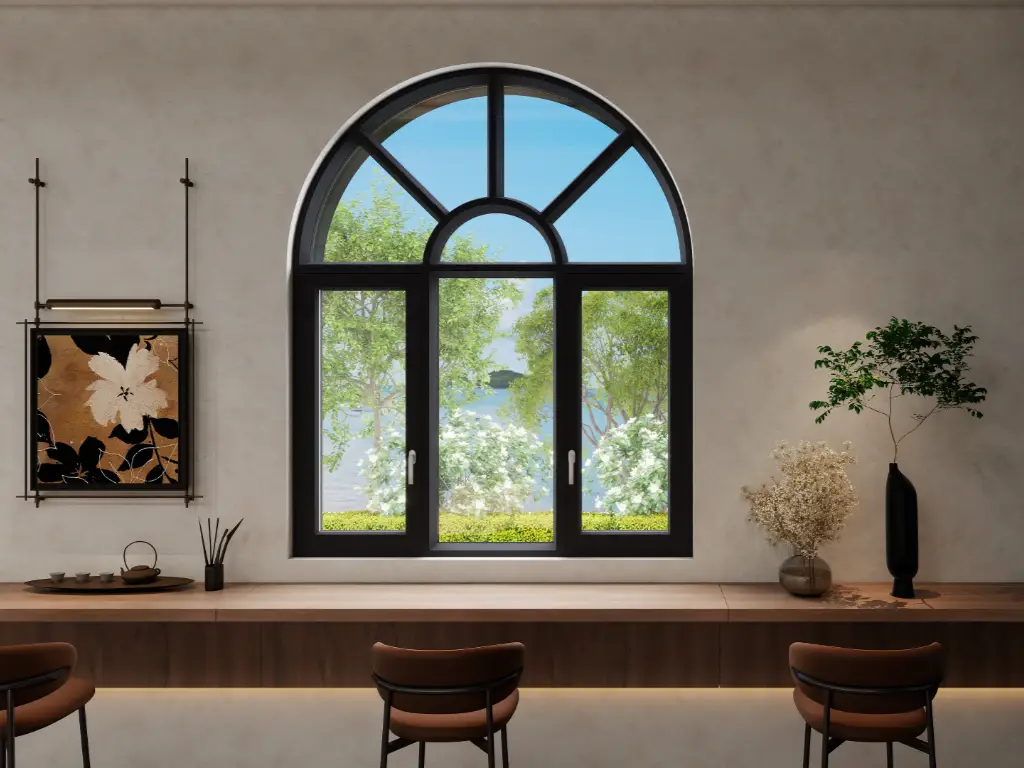
Panoramic windows safety in high-rise buildings depends on precise engineering and correct installation. Oversized glass systems face significant structural stress, and improper panoramic window installation often leads to panel failure, safety risks, and failed inspections.
This guide breaks down key standards based on ASTM E1300 and Design Pressure ratings, including wind load performance, 12mm glass thickness, and structural silicone use. It provides clear technical guidance to help ensure panoramic windows high-rise applications meet code requirements while maintaining long-term durability and structural reliability.
Is a Panoramic Window Safe for High-Rise Residential Buildings?
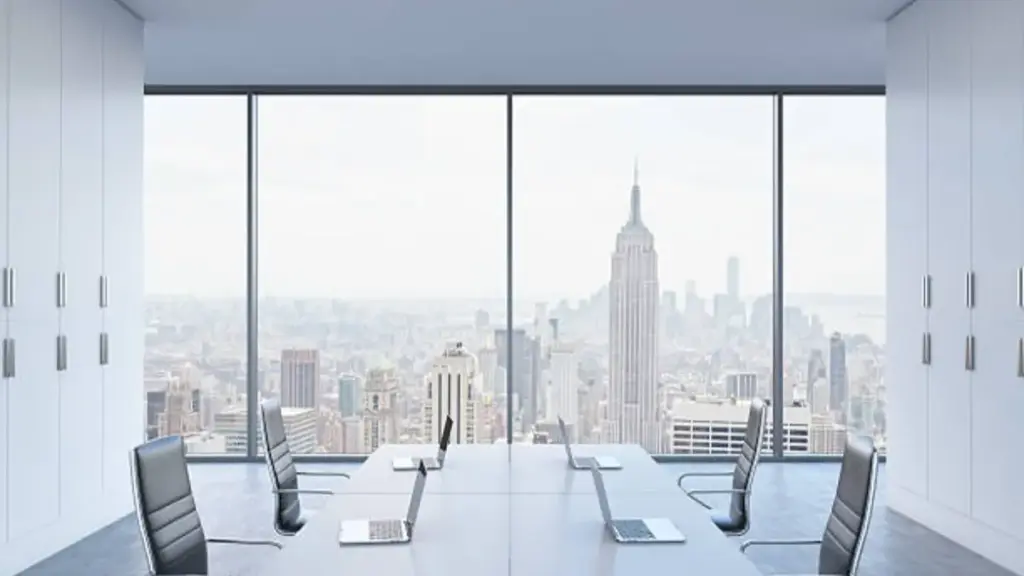
Panoramic windows are safe for high-rises when engineered to strict standards. They demand impact-resistant glass, cadres renforcés, and specialized safety hardware to handle wind loads and prevent falls.
Structural Standards for Panoramic Windows High-Rise
Panoramic windows high-rise applications must withstand strong wind forces, storm impact, and pressure changes at elevation. Accurate load calculations and framing design ensure the system performs safely without deformation or failure.
High-rise window safety requires more than standard glazing. Engineers specify reinforced frames, verre résistant aux chocs, and controlled opening systems to support large spans under extreme conditions. Glass thickness for panoramic windows, typically starting from 12mm, plays a key role in resisting wind loads and structural stress.
In seismic regions, building code compliance requires glazing systems to absorb and distribute vibration. This reduces the risk of glass breakage and improves overall building safety during earthquakes.
Key Materials for High-Rise Window Safety
Material selection directly affects panoramic windows safety. Standard glass is not suitable for large window installation in high-rise buildings, where higher impact resistance and structural stability are required.
- Impact-resistant glass: Laminated or tempered glass improves strength and prevents dangerous shattering
- Window limiters: Restrict opening distance to reduce fall risks in residential use
- Raised railings: Provide additional protection and meet safety height requirements
Wind Load Requirements for Large Panoramic Windows
Wind load limits dictate structural safety. Engineers evaluate panel dimensions, épaisseur du verre, and design pressure ratings, specifying 12mm heat-soaked tempered glass to resist extreme high-rise lateral forces.
Core Variables Determining Wind Load Capacity
Evaluating how much wind force a glass pane can withstand requires precise engineering metrics. Builders assess three fundamental variables to ensure structural integrity across expansive installations.
- ASTM E1300 Methodology: Engineers use this standard to calculate exact load resistance and establish safe center-of-glass deflection limits.
- Pression de conception (DP) Ratings: This metric quantifies the lateral wind force a panel must resist. The rating converts expected wind velocity into specific pounds per square foot (PSF) or kPa targets.
- Aspect Ratios: Expansive glass surfaces act like giant sails. Builders must manage aspect ratios and divide overly large spans into smaller structural modules to distribute the physical load.
Adapting System Configurations for Extreme Wind Conditions
Severe regional wind loads require customized glass and framing specifications. Installers implement specific structural adjustments to ensure the building envelope survives extreme lateral forces without failing.
- Material Thickness: High-altitude and high-wind applications demand a minimum glass thickness of 12mm (0.5 pouces). Builders specify heat-soaked tempered glass to maximize load resistance.
- Hardware and Framing: System manufacturers actively modify aluminum profiles, sealing structures, and hardware configurations to match local climate demands and high-rise wind loads.
- Uniform Glazing: Maintaining consistent glazing across building surfaces prevents dangerous pressure differentials. Unchecked, these pressure imbalances aggressively increase loads on opposite sides of the structure.
Premium Aluminum Windows for Global Projects
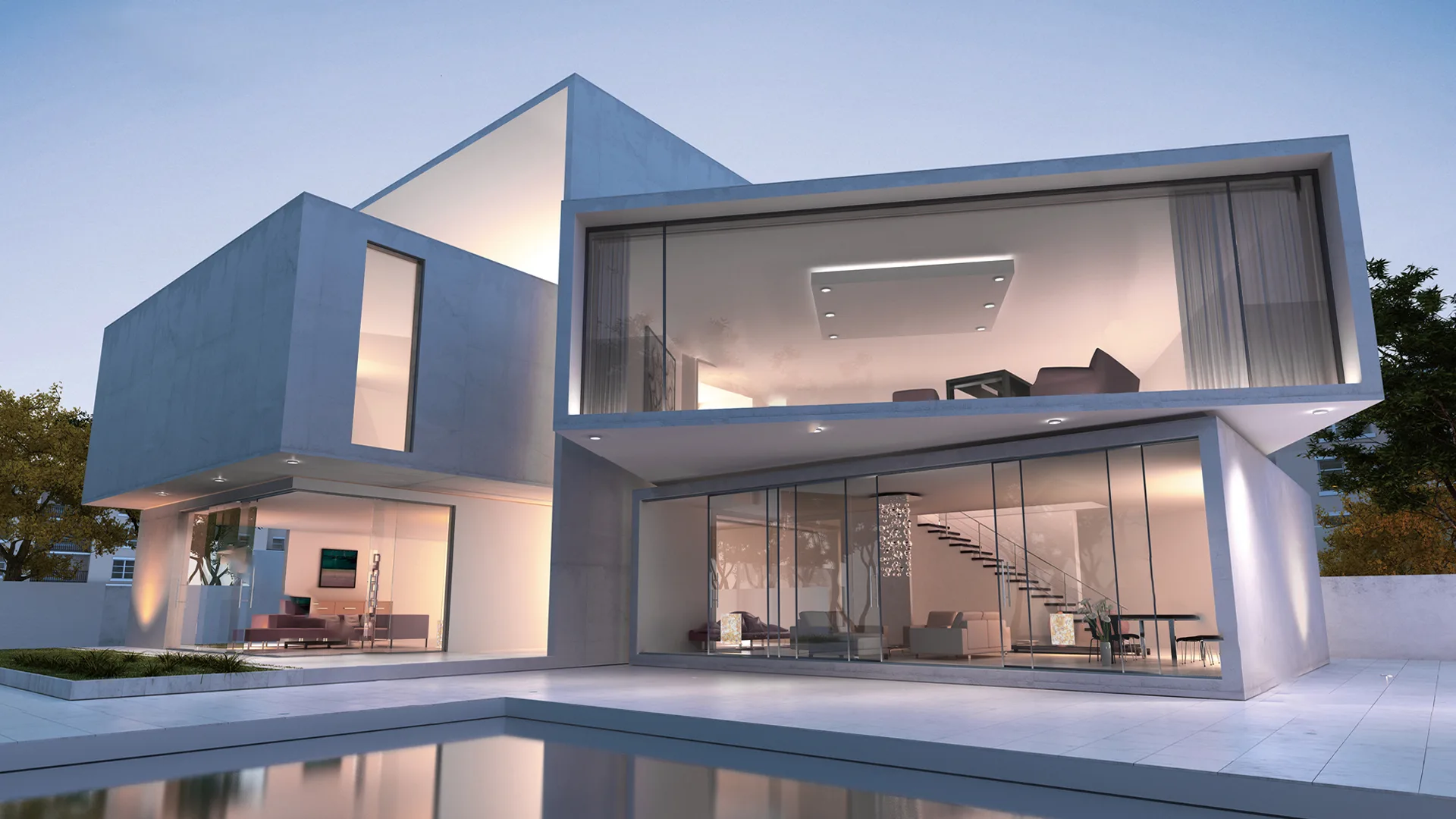
How to Measure Panoramic Windows?
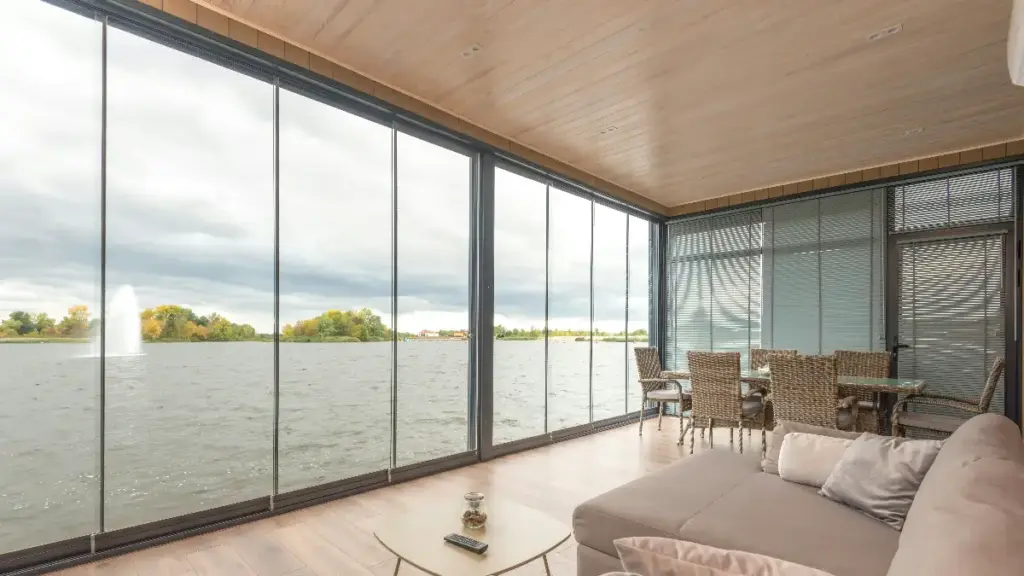
Accurate measurement requires recording width, hauteur, and depth at multiple points using a rigid steel tape. Always verify tolerances with manufacturers to ensure proper fit and load compliance.
Core Measurement Steps for Large Openings
Precision dictates success when dealing with large-span glazing. A fraction of an inch off can compromise the installation, leading to structural stress or weatherproofing failures. Installers must use a systematic approach to capture the exact dimensions of the rough opening.
- Largeur: Take three separate width measurements at the top, milieu, et le bas de l'ouverture de la fenêtre.
- Hauteur: Record height dimensions from the left, milieu, and right sides of the opening.
- Profondeur: Measure the depth by finding the thickness of the existing frame from the interior face to the exterior face.
Sizing Tolerances and Custom System Requirements
Raw dimensions only tell part of the story. You must adjust these baseline numbers based on the intended mounting method and the specific manufacturing tolerances of the custom aluminum systems.
- Mount Type Adjustments: Use the smallest recorded measurements for inside-mount installations to ensure the frame fits. Use the largest measurements for outside-mount applications.
- Tooling and Rounding: Measure exclusively with a rigid steel tape measure. Round all final dimensions down to the nearest 1/8 inch to guarantee precise fabrication.
- Engineering Verification: Verify the final measurements directly with your systems manufacturer. They will confirm that the custom aluminum profiles and glass configurations accommodate the local wind load and climate requirements for your specific dimensions.
Safety Glass Standards for Panoramic Windows Installation
Glass selection directly affects panoramic windows safety, especially in high-rise applications where large spans face higher wind loads and impact risks. Meeting ANSI Z97.1 and related standards ensures basic compliance, but performance differences between glass types determine real-world safety.
Tempered vs. Laminated Glass for Panoramic Windows
| Performance Feature | Verre trempé | Verre laminé |
|---|---|---|
| Structural Makeup | Single sheet, heat-treated | Multiple layers with PVB plastic interlayer |
| Impact Strength | 4 à 5 times stronger than standard glass | High impact resistance, contains damage locally |
| Breakage Pattern | Shatters completely into safe, blunt fragments | Cracks but maintains structural integrity |
- Tempered glass improves strength and is widely used where impact resistance is required. Cependant, once broken, the entire panel collapses.
- Laminated glass maintains panel integrity after impact, making it a safer choice for panoramic windows high-rise applications where fall protection and containment matter.
For panoramic windows installation, laminated or hybrid glass is often preferred to reduce safety risks and maintain structural stability after breakage.
Are Panoramic Windows Safer Than Standard Windows?
Compared to standard windows, panoramic systems are engineered for larger openings and stricter structural demands. This results in measurable safety advantages:
- Thicker glass improves load resistance (commonly 12mm or more)
- Reinforced framing distributes wind pressure more evenly
- Laminated structures enhance post-break safety
Customizing Glass Specifications for Climate and Comfort
Large panoramic windows expose building interiors to significant thermal transfer and acoustic interference. Nous partner with OPUOMEN to configure specific multi-layer glass systems that target local climate demands, insulate against extreme weather, and block outside noise.
- Hybrid Configurations: Premium installations frequently deploy a tempered laminated hybrid glass. This combines the sheer blunt-force resistance of tempered panes with the high-performance UV blocking and post-break safety of a laminated PVB core.
- Regulatory Alignment: Specifiers match the exact glass type, épaisseur, and interlayer to regional requirements, ensuring full compliance with CE, Rohs, and REACH directives.
- Thermal Targeting: Production teams adjust the gas fills and low-E coatings within these safety glass units to lock in interior temperatures and reduce heavy reliance on HVAC systems.
The Role of Structural Silicone in Large-Span Window Safety
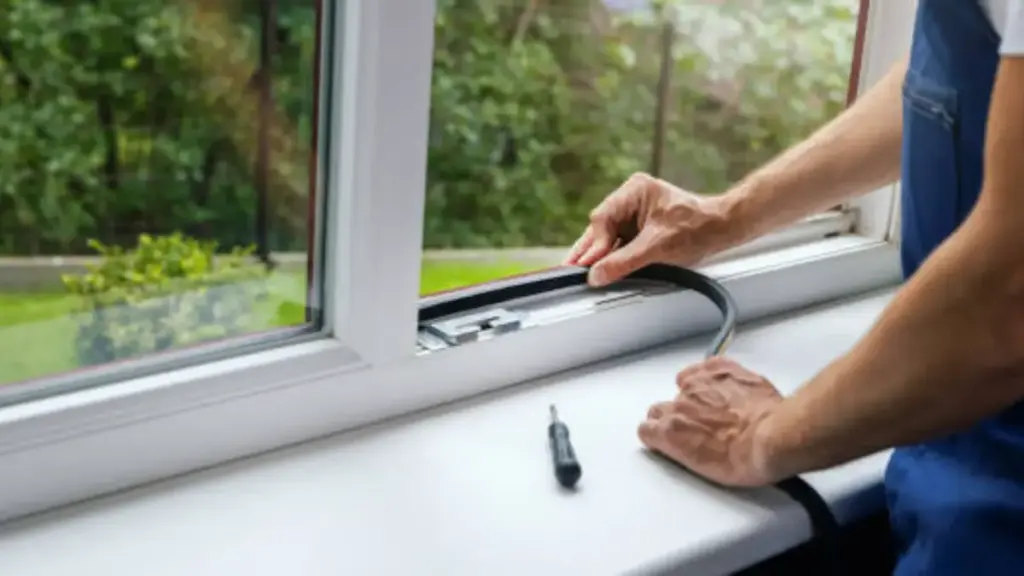
Structural silicone bonds large glass panes to frames, absorbing dynamic stress from wind and seismic activity while maintaining a weather-tight seal in extreme temperatures for decades.
Structural Bonding and Flexibility Mechanics
Structural silicone replaces conventional mechanical fasteners to enable larger, uninterrupted glass spans. It establishes a secure, continuous bond between the glass and the building frame. Architects rely on this specific bonding method to execute expansive, mullion-free designs without compromising the structural integrity of the building.
- Dynamic load distribution: Absorbs and disperses extreme forces from high wind loads, seismic activity, and standard structural movement.
- High-stress flexibility: Flexes actively under heavy load stress, preventing catastrophic glass detachment or shattering during severe weather events.
- Continuous support: Eliminates localized pressure points by distributing weight and stress evenly across the entire perimeter of the glass pane.
Standard sealants crack and fail when subjected to these dynamic forces. The high elasticity of structural silicone ensures the glazing system safely absorbs impact energy, keeping oversized window installations firmly anchored to the facade.
Temperature Tolerance and Hydrophobic Joint Specifications
Environmental exposure rapidly degrades standard organic sealants. Structural silicone resists this degradation through its inorganic chemical makeup, making it the required specification for large-span commercial and residential projects exposed to harsh climates.
- Thermal stability: Maintains full material elasticity and adhesion across extreme temperature ranges from -50°C to over 200°C.
- Moisture defense: Cures into impenetrable, hydrophobic joints that block moisture infiltration and stop internal frame corrosion.
- Functional lifespan: Delivers a proven service life of 30 à 50 years without shrinking, fissuration, or becoming brittle.
Ensuring Egress Compliance with Fixed Panoramic Designs
Fixed panoramic windows fail emergency exit codes. You must integrate operable units meeting the strict 5.7 square foot clear opening requirement to ensure legal and safe egress paths.
Building Code Standards for Egress Windows
Building codes dictate that fixed or picture windows cannot function as emergency escape routes. To pass inspection and keep occupants safe, you have to pair these large fixed expanses with compliant operable window units. Inspectors look for specific dimensional standards to ensure an adult can safely exit during a fire or emergency.
- Minimum clear opening area: 5.7 pieds carrés (drops to 5.0 square feet if installed at or below grade level).
- Minimum opening height: 24 pouces.
- Minimum opening width: 20 pouces.
- Maximum sill height: 44 inches above the finished floor to allow a safe exit.
Integrating Operable Systems into Panoramic Designs
You do not have to ruin an expansive view to satisfy local safety codes. Smart structural design lets you blend functional window types directly into the large glass assembly.
- System Pairing: Integrate customized casement or tilt-turn systems directly alongside the fixed panoramic glass.
- Exit Pathing: Position the operable unit away from deep exterior drops and interior structural blocks to guarantee a clear escape route.
- Drainage Design: Route proper drainage tracks for the operable sections to stop water from pooling near the fixed panoramic assembly.
- Weatherproofing Joints: Apply waterproof flashing and commercial-grade sealants around the joined installation to block moisture intrusion.
Treating the operable egress unit and the fixed glass panels as a single engineered system prevents costly water damage and secures long-term structural performance.
OPUOMEN Technical Support for Panoramic Window Installation
OPUOMEN provides structured assistance technique to improve panoramic window installation accuracy across different project types. Support is adapted based on project scale, complexité, and location, helping ensure alignment with building code compliance and long-term system performance.
- For large commercial or high-rise projects, experienced teams can assist with on-site installation, focusing on correct positioning, sealing methods, and structural integration of large glazing systems. This reduces installation errors and helps meet safety requirements for demanding environments.
- For standard residential projects, OPUOMEN supplies detailed installation drawings and step-by-step video guidance. These resources support local contractors in handling framing, sealant application, and hardware setup more precisely.
- For overseas clients, remote technical assistance is available throughout the installation process. Teams can access documentation and receive direct support for troubleshooting, helping maintain project timelines and consistent installation quality across different regions.
Pensées finales
While standard glazing cuts upfront costs, specifying engineered impact-resistant glass and structural silicone is the only way to safeguard your firm against catastrophic blowouts and liability claims. Ignoring precise wind load and egress codes guarantees failed building inspections and expensive on-site rework. Supplying top-tier structural materials ensures strict safety compliance and builds long-term trust with high-rise property developers.
Stop guessing on load capacities and custom sizing tolerances. We recommend sharing your architectural drawings with the OPUOMEN engineering team to verify the exact structural requirements for your upcoming build. Request a technical consultation today to align your glass specifications and secure our dedicated installation support.
FAQS
Are large panoramic windows safe in hurricanes?
Oui, when designed for high-wind zones. Impact-resistant laminated glass, cadres renforcés, and proper sealing help panoramic windows withstand hurricane forces and meet regional building code requirements.
How thick should glass be for a panoramic window?
Glass thickness typically starts at 10–12mm for standard applications, but high-rise or large-span installations often require thicker or laminated configurations based on wind load and design pressure calculations.
Do panoramic windows meet fire escape codes?
Fixed panoramic windows do not meet egress requirements. At least one operable unit must be integrated to provide a compliant emergency exit that meets minimum size and accessibility standards.
What happens if a panoramic window breaks?
Tempered glass shatters into small, morceaux émoussés, while laminated glass cracks but stays bonded. Laminated configurations help maintain a barrier, reducing fall risk and limiting debris spread.
How heavy is a standard panoramic window?
Weight varies by size and glass type, but large panels can exceed 100–300 kg. Heavier laminated or double-glazed units require reinforced framing and specialized installation methods.
Can I install panoramic windows in a renovation?
Oui, but structural evaluation is required. Wall openings, capacité portante, and framing systems must be assessed to ensure safe integration and compliance with current building codes. Consulting our professional team for a detailed assessment and feasibility report.