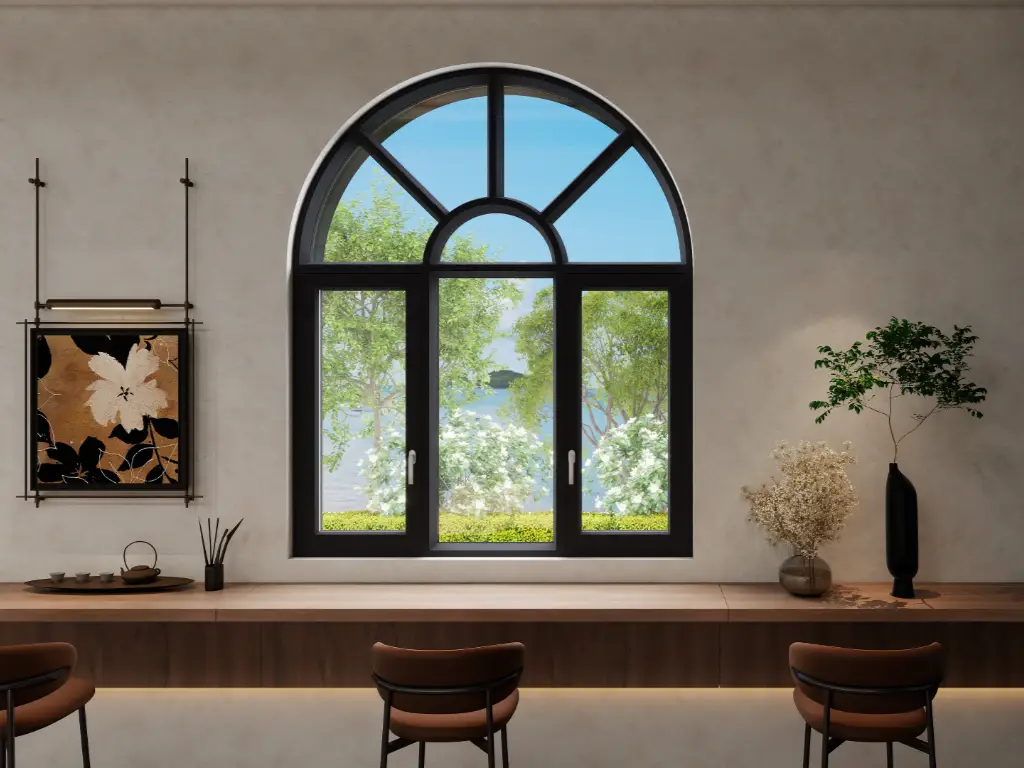
Panoramic windows are one of the most cost-sensitive elements in large-scale developments, where sourcing decisions directly impact margins, timelines, and cash flow. Poor procurement strategies often lead to hidden costs—rising tariffs, transit damage, and unpredictable shipping delays—that disrupt project schedules and inflate total landed costs. En même temps, bulk ordering requirements can lock up capital in slow-moving inventory, increasing financial pressure.
This guide explains how integrated manufacturing partners help you control these risks. From optimized thermal systems to faster production cycles and low minimum order quantities, you’ll learn how to build a more stable, cost-efficient supply chain for large-format window projects.
Que sont les fenêtres panoramiques?
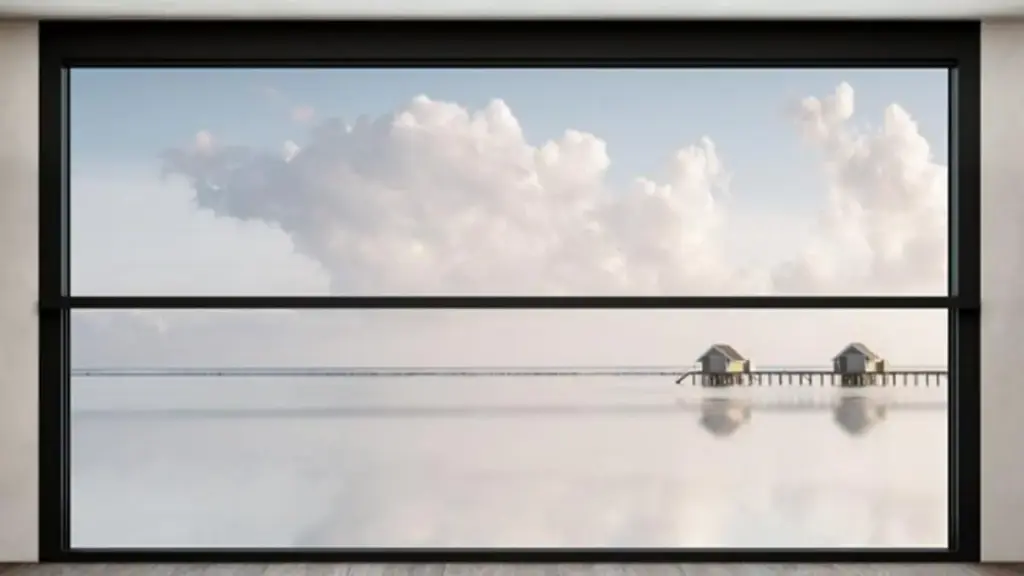
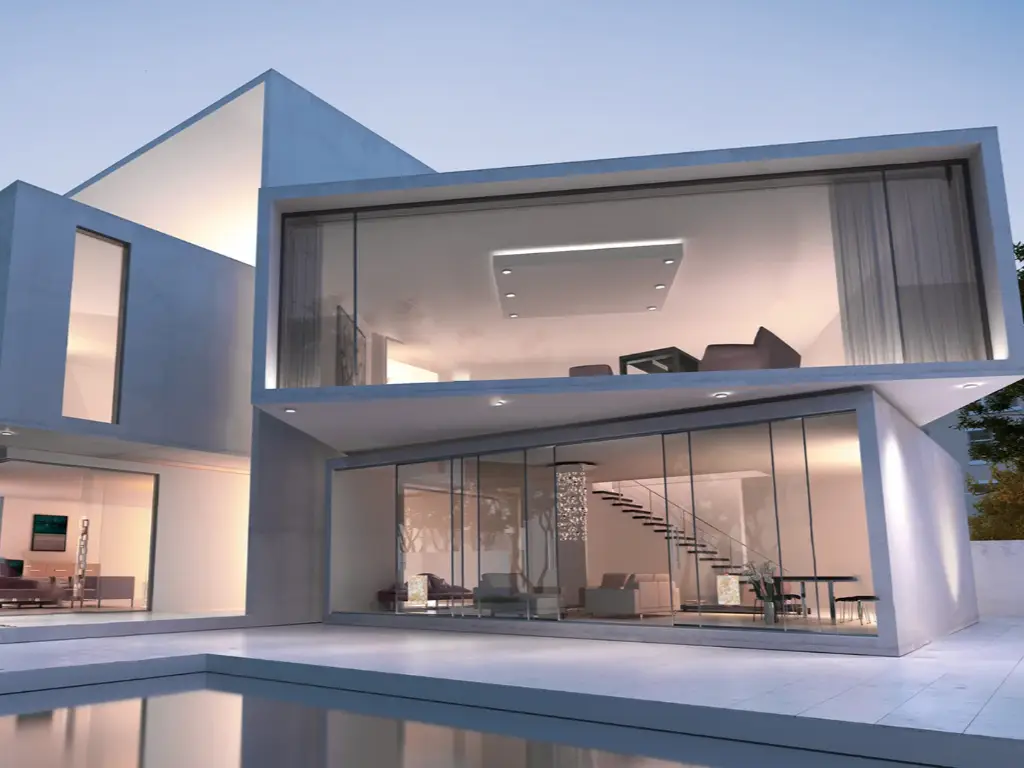
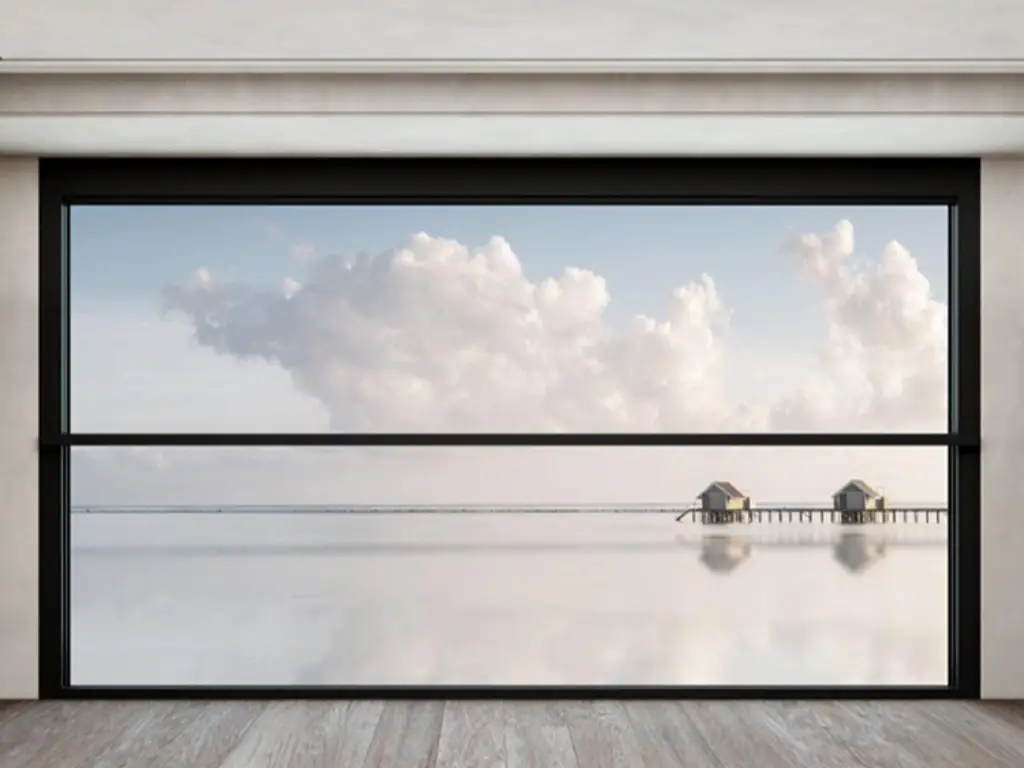
Fenêtres panoramiques are large-format architectural installations spanning over two meters wide. Builders use minimal framing and expansive glass to maximize natural light and create direct indoor-outdoor connections.
- Dimensions: Glass panels typically exceed two meters in width, built for continuous floor-to-ceiling applications.
- Minimalist Framing: A severely reduced frame-to-glass ratio maximizes the glazed surface area and boosts daylight penetration.
- Structural Focus: Installations prioritize fixed configurations, combining them with limited operable panels to ensure maximum structural stability.
Panoramic Window Pricing Structure
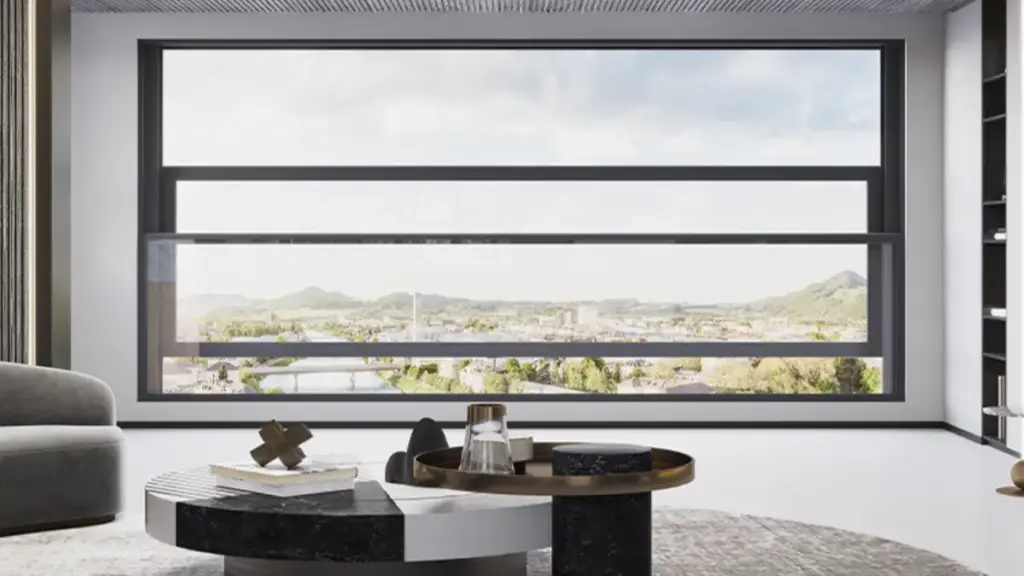
Calculating the investment for panoramic systems goes beyond simple square-footage. Because these installations prioritize massive glass spans and minimalist aesthetics, several technical variables dictate the final quote:
Cost Drivers (Technical Factors)
Panoramic window pricing is driven more by engineering complexity than simple square footage. Contrairement aux fenêtres standards, these systems rely on large-span glazing and minimal framing, which increases structural and manufacturing demands.
Thermique & Compliance Requirements: Thermal break profiles and climate-specific coatings are essential to meet CE, Rohs, and regional energy codes. While they raise upfront costs, they reduce long-term energy consumption—one of the key reasons to invest in panoramic windows for premium developments.
Glass Specifications: Glass remains the primary cost driver. Standard double glazing sets the baseline, while upgrades such as laminated, faible E, or impact-resistant glass for high-wind zones significantly increase pricing.
Frame Systems: Aluminum and steel dominate due to their load-bearing capacity. Ultra-narrow systems (Par exemple, 127-52 série) require precision engineering to maintain rigidity with minimal sightlines, ajouter aux coûts de production.
Taille & Personnalisation: Panels exceeding two meters require custom fabrication, heavy-duty handling, and specialized installation methods, all of which directly increase unit cost.
Market Price Benchmarks
Panoramic window systems typically range from $450 à $2,000 par unité, depending on size and configuration.
- Compact units (36×36 inches): $600–$800
- Large-format panels (72×60 inches): $1,300–2 000$
- Full residential projects: Around $15,000 for bulk installations with premium configurations
Compared to standard windows, panoramic systems carry a higher upfront price, but they deliver greater daylight penetration and visual expansion—factors that directly influence property value and buyer demand.
Premium vs Standard Systems
Choosing panoramic windows or standard window systems ultimately depends on performance targets and project positioning. Standard windows offer lower initial costs and simpler installation. En revanche, panoramic systems prioritize aesthetics, efficacité énergétique, and large unobstructed views.
Premium configurations—featuring thermal breaks, vitrage haute performance, and ultra-slim frames—command higher prices but provide better insulation, durabilité, and long-term ROI. For developers targeting high-end residential or commercial projects, these systems justify their cost through faster sales cycles and stronger market differentiation.
Comparing Import Costs vs. Local Distribution for Wholesalers
Importing cuts unit costs but adds tariffs and shipping delays. Local distribution reduces freight and upfront capital needs but carries higher markups. Your choice depends on cash flow and scale.
| Cost Factor | Direct Import | Local Distribution |
|---|---|---|
| Unit Price | Significantly lower (bypasses middlemen) | Plus haut (includes distributor markups) |
| Logistique & Freight | Expensive ocean/air freight, high delay risk | Coût inférieur, often includes local delivery |
| Hidden Expenses | Import duties, tariffs, currency fluctuations | Minimal to none |
| Capital Required | Haut (requires bulk orders and safety stock) | Faible (smaller minimum order quantities) |
Analyzing Freight, Tariffs, and Markups in Sourcing
Direct importing drops your per-unit price dramatically by eliminating middlemen. This advantage looks great on a spreadsheet until the hidden fees hit. You have to factor in fluctuating currency exchange rates and steep import duties. Midsized wholesalers pay billions annually in tariffs alone, a reality that directly eats into expected profit margins.
Local distributors charge higher wholesale prices but erase expensive international or cross-country freight charges. National bulk suppliers often charge hundreds of dollars per pallet for domestic shipping. Local partners frequently operate their own truck fleets, turning a high unit price into a highly competitive delivered cost.
Ocean shipping introduces unpredictable delays to your supply chain. Unreliable transit times force you to carry higher safety stock levels to prevent stockouts and protect customer relationships. Holding that extra inventory locks up cash and drives up your warehouse overhead, neutralizing a large portion of the initial savings gained from importing.
Leveraging Low Minimum Orders and Integrated Manufacturing
Smart sourcing models allow you to mitigate the financial risks of importing. Instead of tying up thousands of dollars in untested inventory, you can manage cash flow strategically by working with flexible suppliers. Testing specific window series before a full rollout lets you validate market demand.
- Low Minimum Orders: Secure 2㎡ MOQs to test product viability without heavy upfront capital.
- Rapid Production Cycles: Utilize a 15-day turnaround for samples and bulk production to offset long global transit times.
- Integrated Manufacturing: Partner with factories that handle aluminum profile treatment and glass processing under one roof.
Bypassing the local distributor markup entirely requires the right manufacturing partner. An integrated factory controls the entire production line in-house. When a single facility manages both the aluminum extrusion treatments and the raw glass processing, you eliminate the tiered pricing structures of decentralized supply chains and secure true factory-direct margins.
Fenêtres en aluminium haute performance pour les projets mondiaux
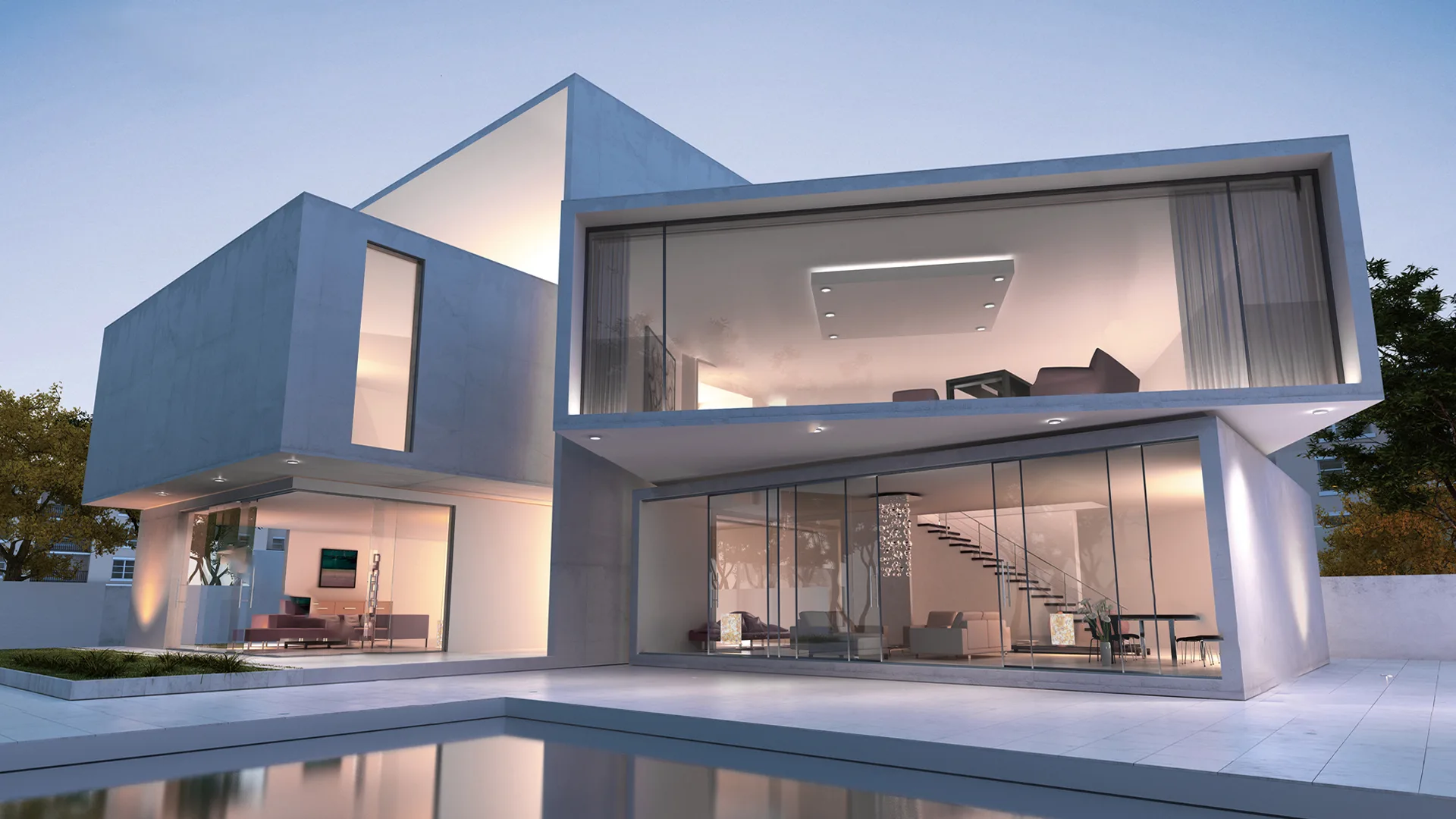
Shipping Risks and Packaging Standards for Oversized Glass
Shipping oversized glass demands strict packaging to prevent impact and vibration damage. Suppliers use multi-layered cushioning, heavy-duty crating, and upright loading to ensure safe global transit.
Primary Transit Risks for Large Glass Panels
Large glass units face severe physical threats during global shipping. Glass is inherently brittle and cannot bend to absorb stress, making it highly vulnerable to the turbulent conditions of international logistics.
- Impact and vibration: Constant turbulence and pressure changes during transit cause severe structural stress.
- Surface damage: Inadequate initial wrapping or improper cleaning traps moisture and debris, leading to permanent scratches.
- Orientation stress: Laying flat glass panels horizontally rather than maintaining a strict upright position drastically increases the risk of shattering.
Multi-Layered Cushioning and Double-Boxing Protocols
Mitigating transit risks requires an aggressive approach to packing. Industry standards dictate specific protocols to secure oversized glass for international buyers, focusing heavily on shock absorption and isolation.
- Initial wrapping: Packagers wrap glass items in a minimum of two inches of bubble wrap, secure all corners, and apply foam sheeting to prevent static damage.
- Double-boxing technique: Shippers use ISTA-certified, high-burst-strength corrugated boxes. They place the wrapped glass in a snug inner box, then suspend that inside a larger outer crate.
- Secondary cushioning: Logistics teams add a minimum of three inches of secondary padding materials between the inner and outer boxes to absorb extreme shocks.
- Compliance labeling: Warehouses apply prominent handling labels and strict directional arrows to meet North American and European import standards.
Maintenance Costs Over the Lifecycle of a Panoramic System
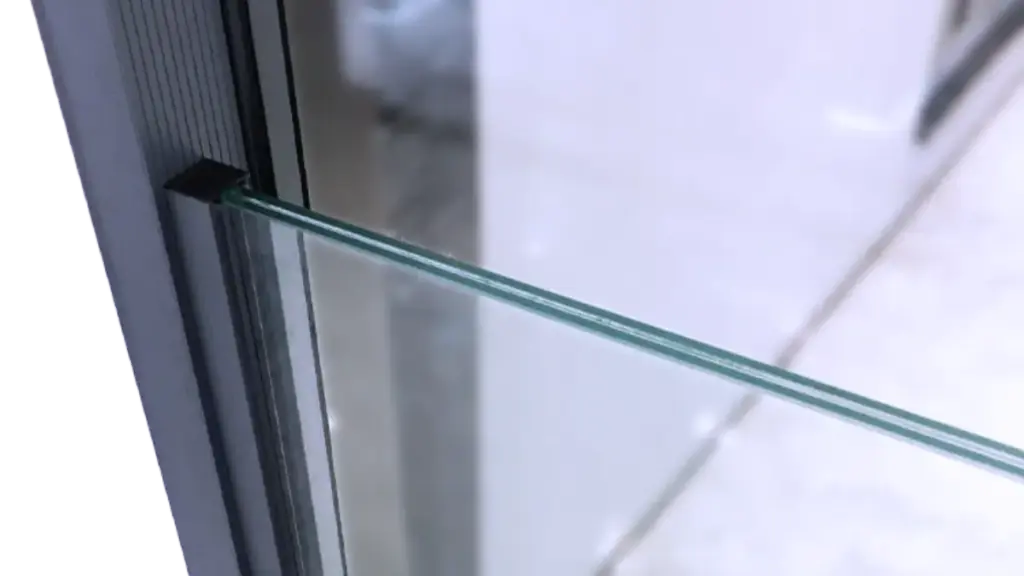
Routine care like track cleaning and lubrication keeps panoramic systems running smoothly. High-performance aluminum and solid warranties minimize expensive long-term seal or hardware replacements.
Routine Upkeep contre. Long-Term Replacement Expenses
Managing a panoramic window system requires balancing everyday maintenance with occasional component replacements. Dirt and debris inevitably build up in the bottom sliding tracks, causing friction that wears down mechanical parts over time. You keep lifecycle costs predictable by separating everyday care from long-term hardware life cycles.
- Routine Cleaning: Budget for regular glass cleaning and clear track debris consistently to maintain smooth sliding operation.
- Friction Prevention: Lubricate heavy-duty rollers and hinges periodically to prevent friction damage and avoid operational breakdowns.
- Consumable Planning: Plan for rare but necessary replacements of consumable parts, like weather seals, after years of extended use.
How Premium Materials and a 5-Year Warranty Control Expenses
Upfront material choices directly impact your total lifecycle costs. Low-grade frames warp and fail, driving up future repair budgets. You control long-term financial liabilities by specifying commercial-grade materials and securing strong factory backing right from the start.
- Spécifications matérielles: Select corrosion-resistant aluminum profiles and ISO9001-certified systems to delay the need for structural repairs.
- Liability Protection: Leverage a standard 5-year product warranty to cover unexpected hardware or seal defects without tapping into maintenance budgets.
- Environmental Defense: Implement custom regional climate designs to prevent moisture and wind-load degradation, keeping long-term repair budgets low.
Volume Discounts: Strategies for Brand Agents and Developers
Volume discounts are most effective when tied to clear purchasing strategies rather than general commitments. For brand agents and developers, the goal is to reduce per-unit costs while maintaining flexibility in inventory and cash flow.
Tiered Pricing Execution:
Define volume thresholds based on project scale (Par exemple, pilot orders, mid-size developments, bulk procurement). Each tier should offer measurable cost reductions to justify larger commitments. Align these tiers with your project pipeline to avoid overstocking while still securing better pricing.
Low MOQ for Market Testing:
Start with small-volume orders (Par exemple, 2㎡ MOQ) to validate product performance, pricing acceptance, and local demand. This approach minimizes upfront capital risk and prevents slow-moving inventory.
Scaling with Custom Quotes:
For large commercial or multi-unit projects, request project-based pricing instead of relying on standard rate sheets. Custom quotes allow manufacturers to optimize material usage, production scheduling, et logistique, resulting in more competitive pricing.
Pensées finales
The right sourcing guide for panoramic windows directly affects your project cost, chronologie, et des performances à long terme. While local suppliers offer convenience, working with integrated manufacturers like Opinion helps reduce markups, improve consistency, and ensure better control over quality and delivery. Investing in reliable materials and proper packaging also lowers the risk of damage and future maintenance issues.
To minimize risk, start with a small trial order to evaluate product quality and performance in your market. Once validated, you can scale with confidence. If you’re planning a new project, reach out to our team for a tailored quote and practical sourcing support.
Foire aux questions
What is the average price range for panoramic windows per square meter?
Panoramic windows typically cost $59–$340 per square meter. Basic fixed units start at $59–$99, while premium insulated or impact-resistant systems range from $198–$340, depending on performance and specifications.
Is buying panoramic windows directly from Chinese factories cheaper than retail?
Oui. Direct sourcing can reduce costs by 20%–200%. Cependant, total savings depend on landed costs, including shipping, duties, assurance, and minimum order quantities.
Why are panoramic window costs increasing in 2026?
Prices are rising 5%–10% annually due to higher material costs, advanced glass technologies, labor shortages, and growing demand for larger, custom-engineered window systems.
Do panoramic windows increase property value?
Oui. Homes with panoramic windows often sell 15%–25% faster and achieve higher prices, with homeowners recovering up to 67.5% of installation costs through increased property value.
What hidden costs should I expect when importing glass windows?
Expect additional 5%–10% beyond base tariffs, including shipping delays, compliance costs, currency fluctuations, and inventory holding expenses during long transit periods.
How do I request an accurate wholesale quote for bulk window orders?
Provide detailed specifications, including dimensions, quantities, matériels, et exigences de performance. Clear project data allows manufacturers to deliver precise pricing, délais de livraison, et options de personnalisation.