एल्युमीनियम स्लाइडिंग दरवाज़े की लागत शायद ही कभी एक अंक हो. इस लागत का गलत आकलन करने से परियोजना में महत्वपूर्ण देरी होती है और बजट में वृद्धि होती है, समग्र लाभप्रदता पर प्रभाव.
यह मार्गदर्शिका उन प्रमुख कारकों की रूपरेखा तैयार करती है जो एल्यूमीनियम स्लाइडिंग दरवाजों की लागत को प्रभावित करते हैं, खरीदारों को कोटेशन की अधिक प्रभावी ढंग से तुलना करने और बड़ी परियोजनाओं के लिए सूचित खरीदारी निर्णय लेने में मदद करना.
एल्युमीनियम स्लाइडिंग डोर की लागत पर क्या प्रभाव पड़ता है?
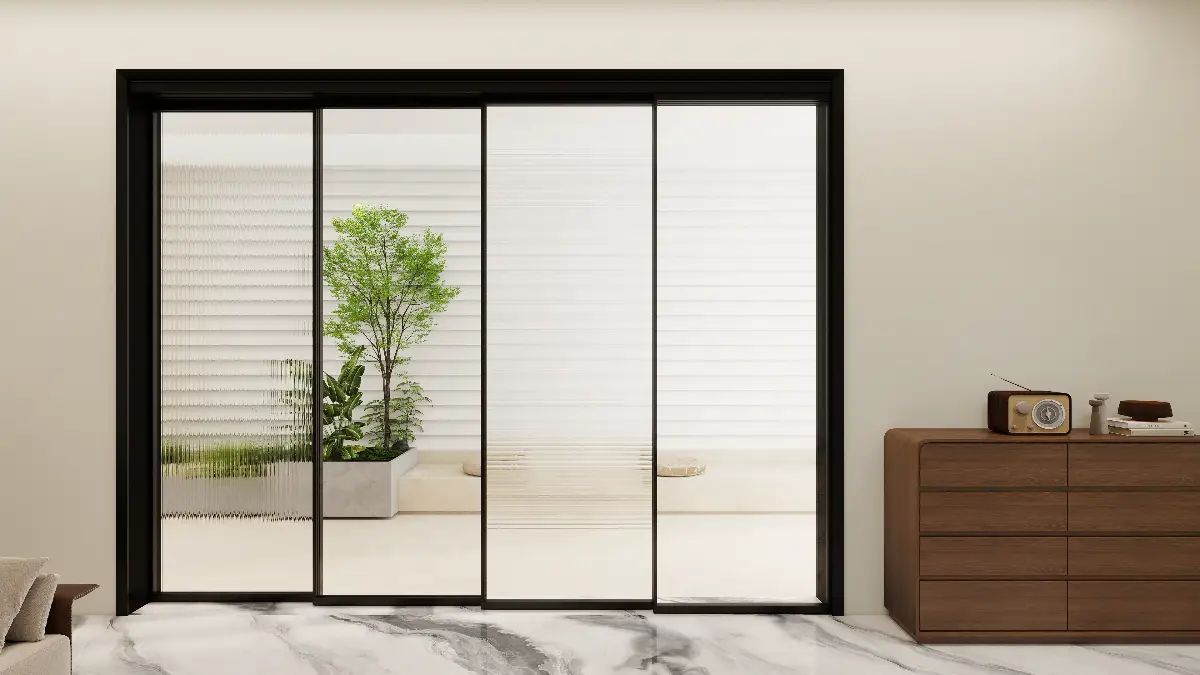
एल्युमीनियम स्लाइडिंग दरवाजे की लागत आकार पर निर्भर करती है, विन्यास, ग्लास प्रकार, फ़्रेम गुणवत्ता, और स्थापना जटिलता, £1,500 से शुरू होने वाले बजट विकल्पों और £6,000 से अधिक के उच्च-स्तरीय सिस्टम के साथ.
मुख्य घटक और अनुकूलन कीमत को प्रभावित कर रहे हैं
आकार और कॉन्फ़िगरेशन सबसे बड़ी लागत वाले ड्राइवरों में से हैं. मानक दो-पैनल सिस्टम मल्टी-पैनल की तुलना में सस्ते होते हैं, oversized, या दीवार पर फैले डिज़ाइन. कस्टम आयामों की लागत आमतौर पर मानक आकारों से अधिक होती है क्योंकि उन्हें अधिक निर्माण की आवश्यकता होती है.
ग्लास का प्रकार लागत और प्रदर्शन दोनों को महत्वपूर्ण रूप से प्रभावित करता है. डबल ग्लेज़िंग एक सामान्य आधार रेखा है. ट्रिपल ग्लेज़िंग, लो-ई कोटिंग्स, और गैस से भरी इकाइयाँ ऊर्जा दक्षता और कीमत बढ़ाती हैं.
फ़्रेम की गुणवत्ता और थर्मल प्रदर्शन कीमत को प्रभावित करते हैं. थर्मल ब्रेक वाले फ्रेम की तुलना में बेसिक एल्युमीनियम फ्रेम कम महंगे होते हैं. अग्रिम सामग्री लागत में एल्यूमीनियम आम तौर पर विनाइल से ऊपर और फाइबरग्लास और लकड़ी से नीचे बैठता है.
हार्डवेयर और सुरक्षा सुविधाएँ लागत में वृद्धि करती हैं. उन्नत हार्डवेयर, सुरक्षा बढ़ाना, और प्रीमियम ऑपरेटिंग तंत्र कीमत बढ़ाते हैं. फ़िनिश और रंग अनुकूलन भी कीमत बढ़ाते हैं, व्यापक फिनिश विकल्पों और कस्टम कोटिंग्स के साथ लागत बढ़ रही है.
एक बजट एल्यूमीनियम स्लाइडिंग दरवाजा उदाहरण के लिए 2026 मानक दो-पैनल प्रणाली के लिए £1,500-£3,000 पर सूचीबद्ध है. के लिए एक मध्य-श्रेणी का उदाहरण 2026 बेहतर फ़्रेम और बेहतर ग्लेज़िंग के साथ £3,000-£6,000 पर सूचीबद्ध है. के लिए एक उच्च स्तरीय उदाहरण 2026 प्रीमियम फ्रेम के साथ £6,000+ पर सूचीबद्ध है, उन्नत थर्मल ब्रेक तकनीक, ट्रिपल ग्लेज़िंग, व्यापक अनुकूलन, और उन्नत सुरक्षा सुविधाएँ.
इंस्टालेशन, बाज़ार, और लागत प्रबंधन संबंधी विचार
स्थापना जटिलता अंतिम परियोजना लागत को सार्थक रूप से बदल सकती है. जब कार्य में संरचनात्मक संशोधन की आवश्यकता होती है तो लागत बढ़ जाती है, विशेष उपकरण, या साइट तक पहुंच कठिन है. परमिट और अन्य परियोजना-विशिष्ट समायोजन भी स्थापित कीमत में वृद्धि कर सकते हैं.
क्षेत्रीय श्रम और बाज़ार की स्थितियाँ कुल लागत को प्रभावित करती हैं. स्थापना और प्रतिस्थापन मूल्य निर्धारण स्थान के अनुसार भिन्न होता है, श्रम दरें, और स्थानीय मांग. स्लाइडिंग ग्लास दरवाजे के प्रतिस्थापन और स्थापना के लिए बाजार का औसत व्यापक रूप से भिन्न होता है. समग्र रूप से स्थापित स्लाइडिंग-डोर मूल्य निर्धारण 2026 औसत परियोजनाओं के लिए $1,200-$2,500 का अनुमान लगाया गया है, जटिलता बढ़ने पर उच्च लागत वाली परियोजनाएँ इससे काफी ऊपर पहुँच जाती हैं.
व्यावहारिक लागत नियंत्रण शामिल हैं:
- कस्टम आयामों के बजाय मानक आकार चुनना.
- कम गतिशील अनुभागों के साथ एक सरल पैनल लेआउट का चयन करने से लागतों को प्रबंधित करने में मदद मिलती है.
- ट्रिपल ग्लेज़िंग के साथ अति-निर्दिष्टीकरण के बजाय वास्तविक जरूरतों के साथ ग्लास के प्रदर्शन का मिलान खर्चों को नियंत्रित करता है.
- प्रीमियम कस्टम फ़िनिश के बजाय मध्य-श्रेणी फ़्रेम और हार्डवेयर पैकेज का उपयोग करना एक और लागत-बचत रणनीति है.
फ़्रेम की मोटाई और प्रोफ़ाइल श्रृंखला
अधिक सामग्री और जटिल विनिर्माण के कारण मोटे एल्यूमीनियम दरवाजे के फ्रेम और दीवारें लागत बढ़ाती हैं, लेकिन वे बेहतर मजबूती और इन्सुलेशन प्रदान करते हैं.
फ़्रेम की मोटाई और प्रोफ़ाइल प्रदर्शन विशेषताएँ
एल्यूमीनियम स्लाइडिंग दरवाजों में फ्रेम की मोटाई सीधे उनके प्रदर्शन और लागत को प्रभावित करती है. यह संरचनात्मक मजबूती को प्रभावित करता है, सुरक्षा, थर्मल इन्सुलेशन, और यहां तक कि दरवाज़ा कैसा दिखता है.
संरचनात्मक मजबूती और स्थायित्व के लिए, मोटे फ्रेम और प्रोफ़ाइल दीवारें अधिक मजबूत होती हैं. वे डेंट का विरोध करते हैं, झुकता, और क्षति पर बेहतर प्रभाव पड़ता है. वे भारी उपयोग और बार-बार फिसलने के चक्र का भी सामना करते हैं. यह आँगन या बालकनी के दरवाज़ों के लिए महत्वपूर्ण है. मोटे फ्रेम बड़े ग्लास पैनलों के लिए बेहतर कठोरता प्रदान करते हैं, हवा या वजन से विक्षेपण को कम करना. वाणिज्यिक और संस्थागत दरवाजों के लिए अक्सर कम से कम एक्सट्रूडेड एल्यूमीनियम फ्रेम दीवार की मोटाई की आवश्यकता होती है 0.090 इंच (के बारे में 2.3 मिमी) या और भी 0.125 इंच (के बारे में 3.2 मिमी) हेवी-ड्यूटी प्रदर्शन के लिए.
मोटे एल्युमीनियम प्रोफाइल सुरक्षा और संरक्षा में भी सुधार करते हैं. वे जबरन प्रवेश का बेहतर विरोध करते हैं क्योंकि स्टाइल्स और रेल्स को विकृत करना या काटना कठिन होता है. गहरी प्रोफाइल मल्टी-पॉइंट लॉक के लिए मजबूत हार्डवेयर निर्धारण की अनुमति देती है. बालकनी और बाहरी दरवाजे के लिए, दीवार की न्यूनतम मोटाई 1.4 कमजोर फ्रेम से बचने के लिए मिमी एक सामान्य आधार रेखा है. उच्च-सुरक्षा परियोजनाएँ निर्दिष्ट हो सकती हैं 2.0 मजबूत ग्लेज़िंग और लॉकिंग का समर्थन करने के लिए गहरे फ्रेम के साथ मिमी या अधिक.
मोटे फ्रेम के साथ थर्मल और ध्वनिक इन्सुलेशन में भी सुधार होता है. मोटे फ्रेम डबल या ट्रिपल ग्लेज़िंग के लिए गहरे ग्लेज़िंग पॉकेट की अनुमति देते हैं. इससे यू-वैल्यू और ध्वनि संचरण वर्ग में सुधार होता है (एसटीसी). वे थर्मल ब्रेक और मल्टी-चेंबर डिज़ाइन के लिए अधिक स्थान प्रदान करते हैं. मोटे फ्रेम गर्मी के लिए पथ की लंबाई बढ़ाकर गर्मी हस्तांतरण को कम करते हैं. बेहतर थर्मल और ध्वनिक प्रदर्शन का मतलब है मोटी प्रोफाइल, अधिक जटिल बहु-कक्ष एक्सट्रूज़न, और थर्मल-ब्रेक आवेषण. यह इंसुलेटेड रखता है, उच्च-प्रदर्शन स्लाइडिंग दरवाजे प्रीमियम कीमत पर.
अनुप्रयोगों और लागत के लिए प्रोफ़ाइल श्रृंखला चुनना
एल्यूमीनियम स्लाइडिंग दरवाजों में प्रोफ़ाइल श्रृंखला दीवार की मोटाई के आधार पर एक्सट्रूज़न को वर्गीकृत करती है, फ़्रेम की गहराई, और अन्य सुविधाएँ. इसका विभिन्न उपयोगों के लिए लागत और उपयुक्तता पर सीधा प्रभाव पड़ता है.
लाइट-ड्यूटी या इकोनॉमी सीरीज़ फ़्रेम आम तौर पर आसपास होते हैं 30-40 दीवार की मोटाई के साथ मिमी मोटाई 1.4-1.6 मिमी. ये छोटे पैनल के लिए काम करते हैं, कम हवा का भार, और बुनियादी ताले. उनकी सामग्री और विनिर्माण लागत सबसे कम है, उन्हें बजट-सचेत इंटीरियर या कम-यातायात अनुप्रयोगों के लिए उपयुक्त बनाना. स्थायित्व कम है, और वे बहुत बड़े ग्लास पैनल या उच्च सुरक्षा आवश्यकताओं को संभाल नहीं सकते हैं.
मानक आवासीय बाहरी या बालकनी श्रृंखला फ़्रेम आमतौर पर होते हैं 40-50 मिमी मोटा, की दीवार मोटाई के साथ 1.4 मिमी या अधिक, अक्सर 1.8-2.0 बेहतर कठोरता के लिए मिमी. ये आवासीय बालकनियों और आँगनों के लिए अच्छे हैं, मानक दरवाजे के आकार (60-96 इंच चौड़ाई, 80-96 इंच ऊंचाई), और बुनियादी थर्मल ब्रेक के साथ डबल ग्लेज़िंग. यह एक मिड-रेंज विकल्प है, मूल्य संतुलन, टिकाऊपन, और इन्सुलेशन. इस श्रृंखला में दीवार की मोटाई बढ़ाने या थर्मल ब्रेक जोड़ने से लागत बढ़ जाती है.
हेवी-ड्यूटी या व्यावसायिक श्रृंखला फ़्रेम अक्सर होते हैं 44-50 अधिक आंतरिक कक्षों के साथ मिमी मोटाई. स्लाइडिंग डोर सिस्टम के लिए दीवार की मोटाई कम से कम होती है 0.090 इंच (के बारे में 2.3 मिमी), और वास्तुशिल्प विशिष्टताओं की आवश्यकता हो सकती है 0.125 इंच (के बारे में 3.2 मिमी). ये उच्च यातायात वाली व्यावसायिक इमारतों के लिए हैं, बड़े विस्तार, भारी इंसुलेटेड ग्लेज़िंग, और मजबूत हार्डवेयर. मोटी दीवारों और बड़े प्रोफाइल के कारण उनकी सामग्री लागत काफी अधिक है, इसके अलावा हेवी-ड्यूटी हार्डवेयर की लागत और सख्त बिल्डिंग कोड का अनुपालन.
वैश्विक परियोजनाओं के लिए उच्च प्रदर्शन वाले एल्युमीनियम दरवाजे
ग्लास की पसंद और कीमत का प्रभाव
ग्लास चॉइस ड्राइव एल्युमीनियम स्लाइडिंग डोर की लागत 30-100%, प्रदर्शन स्तर से प्रभावित, प्रमाणीकरण, और लो-ई या लैमिनेट्स जैसी ऊर्जा सुविधाएँ.
ग्लास का प्रकार दोनों को महत्वपूर्ण रूप से प्रभावित करता है एल्यूमीनियम स्लाइडिंग दरवाजे की लागत और प्रदर्शन. उन्नत ग्लास विकल्प सीधे कुल परियोजना मूल्य पर प्रभाव डालते हैं.
| काँच & दरवाजे का प्रकार | Typical Installed Cost Band | प्रमुख लागत चालक |
|---|---|---|
| मानक एल्यूमीनियम स्लाइडर, स्पष्ट स्वभाव वाला | ~$1,500-$3,000+ | मूल कांच, गैर प्रभाव फ्रेम |
| मानक 2-पैनल प्रभाव एल्यूमीनियम स्लाइडर | $2,500-$5,000 | लैमिनेटेड इम्पैक्ट ग्लास + प्रबलित फ्रेम |
| Typical impact sliding door (कई आकार) | $3,000-$6,000 (मानक) | प्रभाव कांच, कोड अनुपालन, हार्डवेयर |
| बड़े मल्टी-पैनल प्रभाव एल्यूमीनियम सिस्टम | $6,000–$15,000+ | अधिक कांच क्षेत्र, पैनलों, जटिल संयोजन |
| कस्टम प्रभाव एल्यूमीनियम दरवाजे | $10,000–$20,000+ | कस्टम ग्लास विशिष्टताएँ, आकार, टिंट, आकार |
मानक साफ़ टेम्पर्ड ग्लास (ग़ैर प्रभाव)
यह आधार रेखा है, सबसे कम लागत वाला ग्लास विकल्प. इसे सुरक्षा के लिए तड़का लगाया गया है, प्रभाव पड़ने पर छोटे-छोटे टुकड़ों में टूटना. यह सीमित ध्वनि इन्सुलेशन और बुनियादी यूवी/सौर नियंत्रण प्रदान करता है.
- विशिष्ट उपयोग: कम जोखिम वाले या गैर-तटीय क्षेत्रों में बुनियादी एल्यूमीनियम स्लाइडिंग दरवाजे.
- मूल्य प्रभाव: मानक गैर-प्रभाव एल्यूमीनियम स्लाइडर आमतौर पर इस ग्लास के साथ $1,500-$3,000+ रेंज में शुरू होते हैं.
लैमिनेटेड इम्पैक्ट ग्लास
लैमिनेटेड इम्पैक्ट ग्लास में एक इंटरलेयर से जुड़ी कई ग्लास परतें शामिल होती हैं, आमतौर पर पीवीबी. टूटने पर यह फ्रेम में बना रहता है, जो तूफानों के दौरान टूटने से बचाता है.
- विशिष्ट उपयोग: तटीय क्षेत्रों के लिए तूफान/प्रभाव-रेटेड दरवाजे, जैसे फ्लोरिडा.
- प्रदर्शन: तूफ़ान से सुरक्षा प्रदान करता है, जबरन प्रवेश के खिलाफ सुरक्षा बढ़ा दी गई, और बेहतर शोर में कमी.
- मूल्य प्रभाव: एक मानक 2-पैनल इम्पैक्ट एल्युमीनियम स्लाइडिंग ग्लास दरवाज़ा स्थापित करने की कीमत $2,500-$5,000 है. हाई-एंड सिस्टम $3,000-$15,000+ तक पहुँच सकते हैं.
कम-ई (कम emissivity) काँच
लो-ई ग्लास में एक पतली धातु कोटिंग होती है जो गर्मी हस्तांतरण को कम करती है. यह सौर ताप लाभ को कम करता है और इन्सुलेशन में सुधार करता है.
- विशिष्ट उपयोग: ऊर्जा-कुशल एल्यूमीनियम स्लाइडिंग दरवाजे. अक्सर लेमिनेटेड/इम्पैक्ट ग्लास के साथ जोड़ा जाता है.
- प्रदर्शन: ऊर्जा दक्षता में सुधार करता है, जिससे गर्म जलवायु में शीतलन भार कम हो जाता है और घर के अंदर बेहतर आराम मिलता है.
- मूल्य प्रभाव: लो-ई कोटिंग्स मध्यम अपचार्ज जोड़ती हैं, अक्सर प्रति उद्घाटन सैकड़ों डॉलर. कई इम्पैक्ट मॉडल लो-ई को अपग्रेड के रूप में पेश करते हैं.
रंगीन शीशा (स्लेटी, पीतल, वगैरह।)
टिंटेड ग्लास चमक नियंत्रण में मदद करता है, गोपनीयता, और सौर ताप में कमी. यह दरवाजे का बाहरी स्वरूप भी बदल सकता है.
- विशिष्ट उपयोग: तटीय और उच्च धूप वाले क्षेत्रों में आम है.
- प्रदर्शन: दृश्य प्रकाश संचरण और सौर ताप लाभ को कम करता है.
- मूल्य प्रभाव: टिंटेड लेमिनेटेड ग्लास एक मध्य स्तरीय अपग्रेड है, साफ़ ग्लास से अधिक महंगा लेकिन अत्यधिक विशिष्ट कोटिंग्स से कम. टिंट वाले इम्पैक्ट दरवाज़ों की खुदरा कीमत $1,500-$6,200 तक होती है.
इंसुलेटिंग / डबल-फलक इकाइयाँ
इन इकाइयों में हवा या गैस से भरे स्पेसर द्वारा अलग किए गए दो पैन होते हैं. वे बेहतर थर्मल प्रदर्शन प्रदान करते हैं.
- विशिष्ट उपयोग: इसका उपयोग तब किया जाता है जब बेहतर थर्मल प्रदर्शन प्राथमिकता हो. प्रभाव और ऊर्जा दक्षता के लिए इसे अक्सर लैमिनेटेड ग्लास के साथ जोड़ा जाता है.
- प्रदर्शन: कम यू-फैक्टर प्राप्त करता है (बेहतर इन्सुलेशन) and improved condensation resistance.
- मूल्य प्रभाव: इंसुलेटिंग ग्लास इकाइयां सामग्री और विनिर्माण लागत में वृद्धि करती हैं. जब लेमिनेटेड प्रभाव और लो-ई के साथ जोड़ा जाता है, ये दरवाजे उच्च मूल्य बैंड में चले जाते हैं, आम तौर पर $3,000-$10,000+ स्थापित.
हार्डवेयर और रोलर गुणवत्ता
गुणवत्ता वाले हार्डवेयर और रोलर्स प्रारंभिक एल्यूमीनियम स्लाइडिंग दरवाजे की लागत को बढ़ाते हैं लेकिन दीर्घकालिक रखरखाव और प्रतिस्थापन खर्च को कम करते हैं, improving user experience.
प्रमुख हार्डवेयर घटक और प्रदर्शन विशेषताएँ
- रोलर असेंबलियाँ: स्टेनलेस स्टील मल्टी-व्हील या टेंडेम रोलर्स सुचारू संचालन सुनिश्चित करते हैं. सीलबंद स्टेनलेस स्टील बॉल-बेयरिंग रोलर्स घर्षण को कम करते हैं, शोर कम करें, और घटक जीवन का विस्तार करें. आवासों के लिए संक्षारण प्रतिरोधी सामग्री बाहरी या आर्द्र वातावरण में महत्वपूर्ण हैं. उचित भार क्षमता और पहिया विन्यास भारी दरवाजे पैनलों की समयपूर्व विफलता को रोकता है.
- ट्रैक और गाइड: इष्टतम रोलर फ़ंक्शन के लिए परिशुद्धता-इंजीनियर्ड एल्यूमीनियम ट्रैक महत्वपूर्ण हैं, घर्षण और शोर को कम करना. उच्च गुणवत्ता वाले ट्रैक में अक्सर पहनने के प्रतिरोध को बढ़ाने के लिए कठोर चलने वाली सतह या विशेष कोटिंग शामिल होती है.
- हैंडल, ताले, and Security: दोहरे लॉकिंग हैंडल और सुरक्षा कुंडी दरवाजे की सुरक्षा को बढ़ाते हैं. बहु-बिंदु ताले, प्रबलित स्ट्राइक प्लेटें, और एंटी-लिफ्ट उपकरण बेहतर सुरक्षा प्रदान करते हैं.
- ऑटो-क्लोजिंग और सॉफ्ट-क्लोजिंग सिस्टम: These systems increase safety and convenience by controlling door speed. वे हार्डवेयर और ग्लास को प्रभाव क्षति से बचाते हैं और रोलर्स और ट्रैक सिरों पर घिसाव को कम करते हैं.
दीर्घकालिक लागत निहितार्थ और खरीद मार्गदर्शन
- समायोजन और रखरखाव: एडजस्टेबल रोलर हाउसिंग सटीक संरेखण सक्षम करते हैं, दीर्घकालिक प्रदर्शन में सुधार और स्थापना को सुव्यवस्थित करना. सीलबंद बीयरिंग वाले गुणवत्ता वाले रोलर्स को गंदगी और नमी के प्रतिरोध के कारण कम बार सफाई और स्नेहन की आवश्यकता होती है.
- प्रतिस्थापनीयता: आसानी से बदले जाने योग्य रोलर कार्ट्रिज के साथ डिज़ाइन किए गए दरवाजे उत्पाद के जीवनकाल में मरम्मत के खर्च को काफी कम कर देते हैं, महँगे पूर्ण पैनल प्रतिस्थापन से बचना.
- सिस्टम एकीकरण: एकीकृत हार्डवेयर समाधान खरीद को सरल बनाते हैं, स्थापना त्रुटियों को कम करें, और सुनिश्चित करें कि इष्टतम प्रदर्शन के लिए घटक निर्बाध रूप से एक साथ काम करें.
- मालिकाने की कुल कीमत (टीसीओ): गुणवत्तापूर्ण हार्डवेयर में निवेश, while potentially increasing initial expense, सेवा जीवन को बढ़ाकर और रखरखाव को कम करके समग्र जीवनचक्र लागत को कम करता है. उच्च-ग्रेड हार्डवेयर बेहतर उपयोगकर्ता अनुभव प्रदान करता है, बढ़ी हुई विश्वसनीयता, और अधिक सुरक्षा.
- विशिष्टता सर्वोत्तम प्रथाएँ: मानक और भारी दरवाजों के लिए, स्टेनलेस स्टील निर्दिष्ट करें, बहु पहिया, बॉल-बेयरिंग रोलर्स. सुनिश्चित करें कि सभी घटक संक्षारण-प्रतिरोध मानकों को पूरा करते हैं, विशेष रूप से बाहरी या तटीय स्थापनाओं के लिए. ऐसे ट्रैक और रोलर असेंबलियों का चयन करें जो एल्यूमीनियम प्रोफ़ाइल के अनुकूल हों, फ़ील्ड समायोजन क्षमता प्रदान करें, और आसान कारतूस प्रतिस्थापन की अनुमति दें. दोहरी लॉकिंग हैंडल जैसी मजबूत सुरक्षा सुविधाओं को शामिल करें और बेहतर आराम और सुरक्षा के लिए सॉफ्ट-क्लोजिंग सिस्टम पर विचार करें.
कस्टम आकार और फिनिश लागत
विशेष निर्माण के कारण कस्टम आकार और फिनिश एल्यूमीनियम स्लाइडिंग दरवाजे की लागत में काफी वृद्धि करते हैं, सामग्री की मात्रा, और लीड समय बढ़ाया.
कस्टम आकार और फ़िनिश के लिए विशिष्ट लागत ड्राइवर
एल्यूमीनियम स्लाइडिंग दरवाजों के लिए कस्टम आकार और फिनिश विकल्प सीधे कुल परियोजना लागत को प्रभावित करते हैं. वे सामग्री का उपयोग बदल देते हैं, निर्माण जटिलता बढ़ाएँ, और लीड समय बढ़ाएँ. कस्टम साइज़िंग से अक्सर निर्माण लागत और लीड समय बढ़ जाता है. निर्माता स्लाइडिंग दरवाज़ों की कीमत प्रति वर्ग फुट रखते हैं, आमतौर पर से $10 को $50. बड़े या गैर-मानक आकार आम तौर पर इस श्रेणी के उच्च अंत में आते हैं.
कस्टम बड़े आकार के उद्घाटन, पसंद 96 वर्ग फुट मल्टी-पैनल एल्यूमीनियम सिस्टम, लागत $3,800 को $4,800 अकेले दरवाजा इकाई के लिए. इस श्रेणी में प्रीमियम सिस्टम अक्सर शुरू होते हैं $4,000 और ऊपर जाएं $6,500 या अधिक. कस्टम आकार कांच की लागत को भी प्रभावित करता है, फ्रेम सुदृढीकरण, हार्डवेयर, और शिपिंग रसद.
फ़िनिश और रंग अनुकूलन से भी कीमतें बढ़ती हैं. कस्टम रंग, पाउडर-लेपित मैट या बनावटयुक्त फ़िनिश, विशेष धात्विक या एनोडाइज्ड फ़िनिश, और लकड़ी-अनाज आवरण सभी लागत बढ़ाने वाले अतिरिक्त हैं. कस्टम रंग विशेष रूप से कुल लागत बढ़ाते हैं. इन फ़िनिशों के लिए अतिरिक्त प्रक्रिया चरणों और सख्त गुणवत्ता नियंत्रण की आवश्यकता होती है, जो उन्हें और अधिक महंगा बनाता है.
मध्य से उच्च अंत एल्यूमीनियम सिस्टम के लिए, सौंदर्य उन्नयन एक दरवाजे को आगे बढ़ा सकता है $1,000-$2,000 में रेंज $2,000-$4,000 या उच्चतर. ऐसा विशेष रूप से तब होता है जब इसे बड़े आकार और उन्नत ग्लास के साथ जोड़ा जाता है. बड़े मल्टी-पैनल कस्टम सिस्टम पर विशेष फिनिश मानक एनोडाइज्ड या सादे रंगों की तुलना में सैकड़ों से लेकर एक हजार डॉलर तक जोड़ सकते हैं.
कुल परियोजना लागत अनुकूलन के निहितार्थ
आकार और फिनिश दोनों को अनुकूलित करने से अक्सर एल्यूमीनियम स्लाइडिंग दरवाजे ऊपरी मध्य-सीमा से लेकर प्रीमियम मूल्य निर्धारण स्तरों में आ जाते हैं. यू.एस. के लिए कस्टम कॉन्फ़िगरेशन. एल्यूमीनियम स्लाइडिंग दरवाजे की कीमत आमतौर पर होती है $2,000-$6,000 प्रति उद्घाटन. बड़े वॉल-स्केल सिस्टम या उच्च-प्रदर्शन वाले लिफ्ट-एंड-स्लाइड डिज़ाइन तक पहुंच सकते हैं $8,000-$12,000 या पूरी तरह से कस्टम इकाइयों के लिए अधिक.
Costs escalate non-linearly. बड़े आकार से प्रति वर्ग फुट लागत बढ़ जाती है. कस्टम फ़िनिश बड़े आकारों के लिए पहले से ही उच्च आधार मूल्य निर्धारण के शीर्ष पर एक प्रतिशत या निश्चित अधिभार जोड़ते हैं. यहां स्थापित लागत स्तरों के कुछ उदाहरण दिए गए हैं कस्टम एल्यूमीनियम स्लाइडिंग दरवाजे, संरचनात्मक परिवर्तन शामिल नहीं हैं:
- मध्यम रूप से कस्टम आकार, मानक या मूल कस्टम रंग: ~$2,000-$3,500 प्रति ओपनिंग 2- 3-पैनल दरवाजे के लिए.
- बड़ा कस्टम आकार, प्रीमियम फ़िनिश (मैट काला, विशेष एनोडाइज्ड): ~$3,500-$6,500+ प्रति उद्घाटन.
- पूर्ण दीवार बहु-पैनल, high-end hardware and finishes: कॉन्फ़िगरेशन और विक्रेता के आधार पर अक्सर $6,500-$12,000+, विशेष रूप से लिफ्ट-एंड-स्लाइड सिस्टम के लिए.
ऑर्डर मात्रा और परियोजना मूल्य निर्धारण
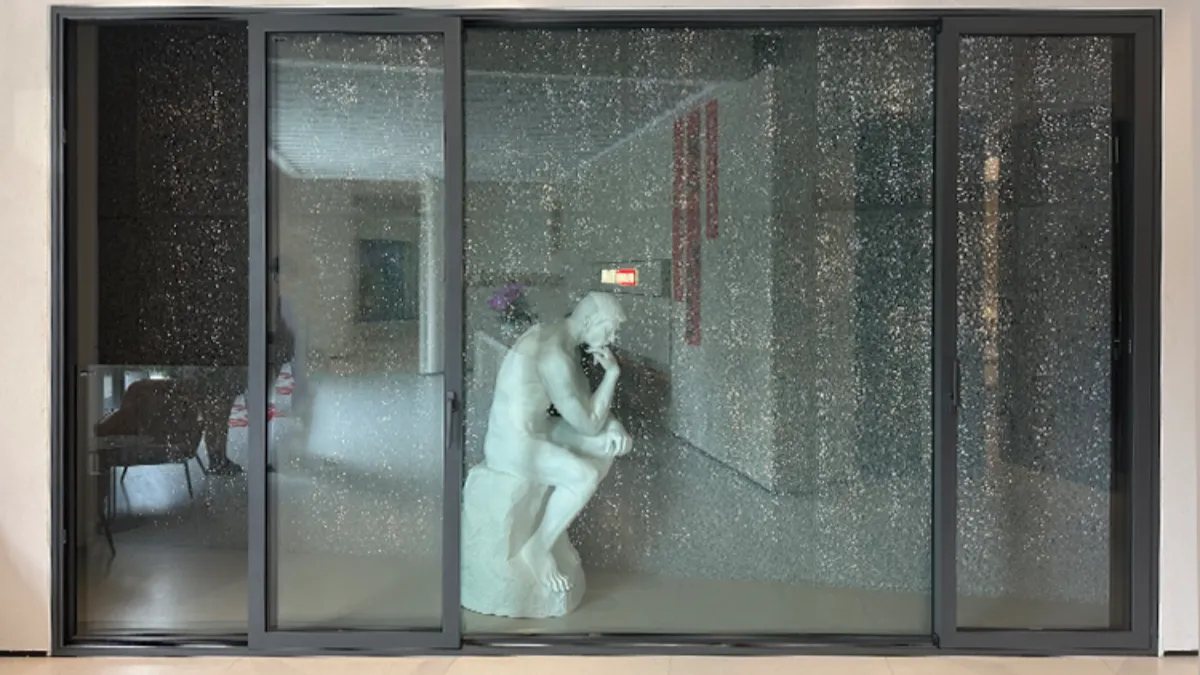
अधिक एल्युमीनियम स्लाइडिंग दरवाज़ों का ऑर्डर देने से इकाई लागत काफी कम हो जाती है. बड़े ऑर्डरों को भौतिक छूट से लाभ होता है, कुशल रसद, और अनुकूलित श्रम, समग्र परियोजना व्यय में कमी लाना.
यूनिट लागत पर ऑर्डर वॉल्यूम का प्रभाव
जब आप एकाधिक एल्यूमीनियम स्लाइडिंग दरवाजे ऑर्डर करते हैं, निर्माता और आपूर्तिकर्ता अक्सर प्रति-यूनिट दरवाज़े की कीमत कम कर देते हैं. वे एक ही प्रोफ़ाइल और फिनिश के लिए सेटअप और टूलींग लागत साझा करके ऐसा करते हैं. बल्क ग्लास कटिंग रन भी अधिक कुशल हो जाते हैं, और वे पैकेजिंग और लॉजिस्टिक्स प्रयासों को जोड़ते हैं.
मूल्य निर्धारण आम तौर पर एक स्तरीय संरचना का अनुसरण करता है. एक से दो यूनिट के लिए, आप खुदरा या मानक सूची मूल्य के करीब भुगतान करते हैं. तीन से पांच इकाइयों पर आपको मामूली छूट मिल सकती है, अक्सर प्रति-दरवाजा कीमत पर 5-10% की छूट. छह या अधिक इकाइयों के लिए, या फुल-हाउस पैकेज के लिए, आपको मिला “परियोजना मूल्य निर्धारण.” इसका मतलब अक्सर समान उत्पाद श्रृंखला में सिंगल-डोर रिटेल बेंचमार्क की तुलना में दोहरे अंकों की प्रतिशत छूट होती है. यूरोपीय आपूर्तिकर्ता, उदाहरण के लिए, पैकेज-मूल्य मल्टी-पैनल सिस्टम, उन्हें तुलनीय उच्च-स्तरीय यू.एस. की तुलना में 40-50% कम की पेशकश. बड़ी परियोजनाओं के लिए सिस्टम.
परियोजना मूल्य निर्धारण संरचनाओं को समझना और उनका लाभ उठाना
एल्यूमीनियम स्लाइडिंग दरवाजों के लिए परियोजना मूल्य निर्धारण में कई लागत घटक शामिल हैं. यह केवल दरवाजा इकाइयों से भी आगे जाता है. इसमें स्थापना श्रम शामिल है, फ़िनिश और सहायक उपकरण, और कोई भी आवश्यक संरचनात्मक या लिफाफा कार्य. स्थापना में पुरानी इकाइयों को हटाना शामिल है, नये स्थापित करना, चमक रहा है, चमकता, और सीलिंग. फ़िनिश में बुनियादी ट्रिम और मौसमरोधी शामिल हो सकते हैं, वैकल्पिक स्क्रीन के साथ, अंधा, या उन्नत ताले. संरचनात्मक कार्य में हेडर शामिल हैं, फ़्रेमिंग संशोधन, और क्लैडिंग की मरम्मत, जो प्रति ओपनिंग $1,000-$3,600+ जोड़ सकता है.
मात्रा सीधे परियोजना मूल्य निर्धारण को प्रभावित करती है. आपूर्तिकर्ता विशिष्ट मात्रा सीमा को पूरा करने वाले बिल्डरों और ठेकेदारों के लिए स्तरीय सामग्री छूट देते हैं. 10-50+ इकाइयों के ऑर्डर के लिए, ग्लेज़िंग आपूर्तिकर्ता खुदरा कीमतों से काफी कम कीमतों पर बातचीत करते हैं. बिल्डर्स अक्सर इस बचत का एक हिस्सा क्लाइंट को प्रोजेक्ट डिस्काउंट के रूप में देते हैं. भी, एल्यूमीनियम स्लाइडिंग दरवाजों को खिड़कियों और अन्य फेनेस्ट्रेशन उत्पादों के साथ जोड़ने से बेहतर समग्र मूल्य निर्धारण हो सकता है.
पैमाने पर आपके ऑर्डर का कॉन्फ़िगरेशन लागत पर प्रभाव डालता है. दरवाज़े का आकार और पैनल की संख्या सबसे बड़े कारक हैं. कई मानक आकार के दो-पैनल एल्यूमीनियम दरवाजे वाले प्रोजेक्ट को यूनिट-लागत में कमी से अधिक लाभ होता है. इसके विपरीत, कस्टम के साथ परियोजनाएं, बड़े आकार के मल्टी-पैनल सिस्टम प्रत्येक उद्घाटन को अर्ध-कस्टम इंजीनियर उत्पाद के रूप में मानते हैं, प्रति-द्वार बचत को सीमित करना. ग्लेज़िंग विशिष्टता निर्णय, डबल बनाम ट्रिपल ग्लेज़िंग की तरह, आम तौर पर एक विशिष्ट उद्घाटन के लिए एक बार आवेदन करें और फिर सभी इकाइयों में कॉपी करें, खरीद को सुव्यवस्थित करना. जबकि गैर-मानक रंग या फिनिश लीड समय और लागत में वृद्धि करते हैं, ये कस्टम अधिभार बड़े ऑर्डरों में अधिक दरवाज़ों तक फैले हुए हैं, प्रति-द्वार प्रभाव को कम करना.
क्षेत्रीय और बाज़ार कारक भी भूमिका निभाते हैं. उच्च लागत वाले श्रम बाजारों में, स्थापित एल्युमीनियम स्लाइडिंग डोर परियोजनाएं राष्ट्रीय स्तर के उच्चतम स्तर पर हैं. ये क्षेत्रीय श्रम अंतर पूरे प्रोजेक्ट में कई गुना बढ़ जाते हैं. अंतर्राष्ट्रीय मूल्य अंतर भी मायने रखता है. यूरोपीय निर्माता अमेरिका की तुलना में एल्युमीनियम आँगन दरवाजे 40-50% सस्ते पेश करते हैं. प्रणाली. बड़े ऑर्डर के लिए, आयात-आधारित परियोजना मूल्य निर्धारण आपका पैसा बचा सकता है, खासकर जब आप कंटेनर शिपिंग को उचित ठहराते हैं.
आपके प्रोजेक्ट-स्तरीय निर्णयों का मार्गदर्शन करने के लिए यहां विशिष्ट लागत बेंचमार्क दिए गए हैं:
- अकेला, मानक स्लाइडिंग दरवाजा (सभी सामग्री + स्थापित करना): $1,000-$3,500+ की अपेक्षा करें, राष्ट्रीय औसत $2,200-$2,600 के साथ. एल्युमीनियम फ्रेम की कीमत आमतौर पर बेसिक विनाइल से अधिक होती है लेकिन अल्ट्रा-कस्टम स्टील या लकड़ी-एल्यूमीनियम हाइब्रिड से कम होती है.
- उच्च गुणवत्ता मानक 6 प्रीमियम प्रदर्शन के साथ फीट ओपनिंग: एक उच्च गुणवत्ता, आसान ऑपरेटिंग, इस आकार सीमा में जीवनकाल-वारंटी आँगन दरवाजा $4,000- $6,000 स्थापित किया जा सकता है, प्रीमियम सामग्री और श्रम को दर्शाता है.
- हाई-एंड एल्यूमीनियम पैनोरमिक / लिफ्ट-एंड-स्लाइड सिस्टम: के लिए 8 फीट एक्स 8 फुट इकाइयाँ, प्रतिनिधि उदाहरण दिखाते हैं ~$6,300-$6,600 डबल-ग्लेज़्ड के लिए और ~$10,600 ट्रिपल-ग्लेज़्ड एल्यूमीनियम सिस्टम के लिए (केवल दरवाजा, यूरोप में एक्स-फ़ैक्टरी मूल्य निर्धारण). स्थापना और स्थानीय लॉजिस्टिक्स अतिरिक्त हैं.
- बड़ी परियोजनाएँ: जब आप 10-50+ एल्यूमीनियम स्लाइडिंग दरवाजे ऑर्डर करते हैं, मात्रा दक्षता के कारण प्रति-दरवाजा सामग्री मूल्य निर्धारण और प्रति-दरवाजा स्थापना लागत अक्सर काफी कम हो जाती है.
अंतिम विचार
एल्युमीनियम स्लाइडिंग दरवाजों के लिए वास्तविक लागत चालकों को कम आंकने से दीर्घकालिक परियोजना जोखिम पैदा होते हैं. मजबूत फ्रेम प्रोफाइल को प्राथमिकता देना, प्रमाणित ग्लास, and quality hardware ensures durability, अनुपालन, और तत्काल बचत पर ग्राहकों की संतुष्टि. यह रणनीतिक दृष्टिकोण भविष्य की विफलताओं के खिलाफ आपकी प्रतिष्ठा और निचली रेखा की रक्षा करता है.
चाहने वाले व्यवसायों के लिए बिक्री के लिए एल्यूमीनियम स्लाइडिंग ग्लास दरवाजे, एक अनुभवी निर्माता के साथ साझेदारी प्रत्येक उत्पादन बैच में लगातार गुणवत्ता सुनिश्चित करते हुए अनुकूलित परियोजनाओं के लिए अधिक लचीलापन प्रदान करती है. हम आपको आपके प्रदर्शन और लागत उद्देश्यों को पूरा करने वाले विस्तृत विशिष्टताओं और उपयुक्त समाधानों की समीक्षा करने के लिए हमारे विशेषज्ञों से जुड़ने के लिए आमंत्रित करते हैं. आइए गुणवत्ता और स्पष्ट मूल्य पर बनी साझेदारी पर चर्चा करें.
अक्सर पूछे जाने वाले प्रश्नों
एल्यूमीनियम स्लाइडिंग दरवाजे की लागत को सबसे अधिक प्रभावित करता है?
एल्युमीनियम स्लाइडिंग डोर की लागत सबसे अधिक प्रेरित होती है आकार और विन्यास, ग्लास का प्रकार और प्रदर्शन, frame quality and thermal performance, और स्थापना जटिलता, से द्वितीयक प्रभाव के साथ ब्रांड/मूल, सामग्री तुलना, और अनुकूलन विकल्प.
कस्टम स्लाइडिंग दरवाज़ों की कीमत अधिक क्यों होती है??
कस्टम एल्युमीनियम स्लाइडिंग दरवाज़ों की लागत मुख्यतः इसलिए अधिक होती है क्योंकि वे मानक से भिन्न होते हैं, बड़े पैमाने पर उत्पादित आकार और विशिष्टताएँ, अतिरिक्त सामग्री की आवश्यकता है, विशेष विनिर्माण, उच्च-कुशल श्रम, और अधिक जटिल स्थापना, all of which increase total project cost per door compared with stock units.
क्या बड़े स्लाइडिंग दरवाजे अधिक महंगे हैं??
बड़े एल्यूमीनियम स्लाइडिंग दरवाजे हैं अधिक महंगा क्योंकि लागत चौड़ाई के साथ मापी जाती है, ऊंचाई, पैनल गिनती, कांच क्षेत्र, संरचनात्मक मांगें, हार्डवेयर, और स्थापना जटिलता.
मैं एल्यूमीनियम स्लाइडिंग डोर कोटेशन की तुलना कैसे करूं??
तुलना करते समय एल्यूमीनियम स्लाइडिंग दरवाजा उद्धरण, सबसे उपयोगी तरीका प्रत्येक कोटेशन को समान द्वार कॉन्फ़िगरेशन पर सामान्यीकृत करना है, ग्लेज़िंग, हार्डवेयर, खत्म करना, और स्थापना का दायरा इसलिए कीमतें सीधे तुलनीय हैं. निष्पक्ष तुलना के लिए, अलग करें दरवाजा इकाई कीमत से स्थापित मूल्य, फिर जांचें कि क्या प्रत्येक उद्धरण में निष्कासन शामिल है, वितरण, निपटान, ट्रिम/आवरण, मुद्रण, और कोई संरचनात्मक या परिष्करण कार्य.
मानक और कस्टम स्लाइडिंग दरवाजों के बीच मुख्य कीमत में अंतर क्या है??
The मुख्य कीमत अंतर बीच में मानक और कस्टम एल्यूमीनियम स्लाइडिंग दरवाजे आम तौर पर की वृद्धि है 40-80% या अधिक, कस्टम इकाइयों के साथ अक्सर शुरुआत होती है $4,500 इंस्टॉल किया और में स्केलिंग "कई हजार डॉलर" बड़े या अधिक जटिल डिज़ाइनों के लिए रेंज.
क्या बेहतर रोलर्स और हार्डवेयर से लागत बढ़ती है?
बेहतर रोलर्स और हार्डवेयर लागत तो बढ़ाओ एल्यूमीनियम स्लाइडिंग दरवाजे के, लेकिन आम तौर पर लंबा जीवन प्रदान करते हैं, सुचारू संचालन, और मानक घटकों के सापेक्ष कम रखरखाव लागत.