A precise Comparative Analysis of casement and sliding windows prevents costly specification errors on your architectural blueprint. Choosing the wrong operating style compromises critical climate control and inflates long-term warranty claims due to rapid mechanical wear or severe moisture intrusion.
This evaluation benchmarks both architectural styles against strict thermal break profile standards and multi-point locking metrics. We examine specific engineering configurations, so you can finalize your procurement budget and secure the exact aluminum extrusions your project demands.
What Are Casement Windows and Sliding Windows?
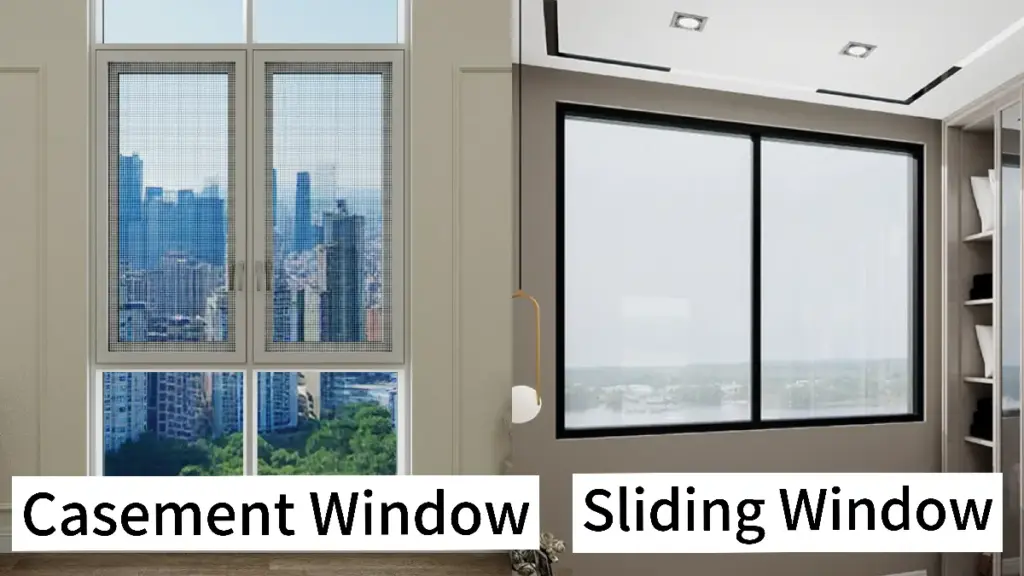
Casement windows swing outward on side hinges using a crank, while sliding windows glide horizontally on tracks. Both require distinct hardware integrated into modern aluminum profiles.
Hinge and Track Mechanisms
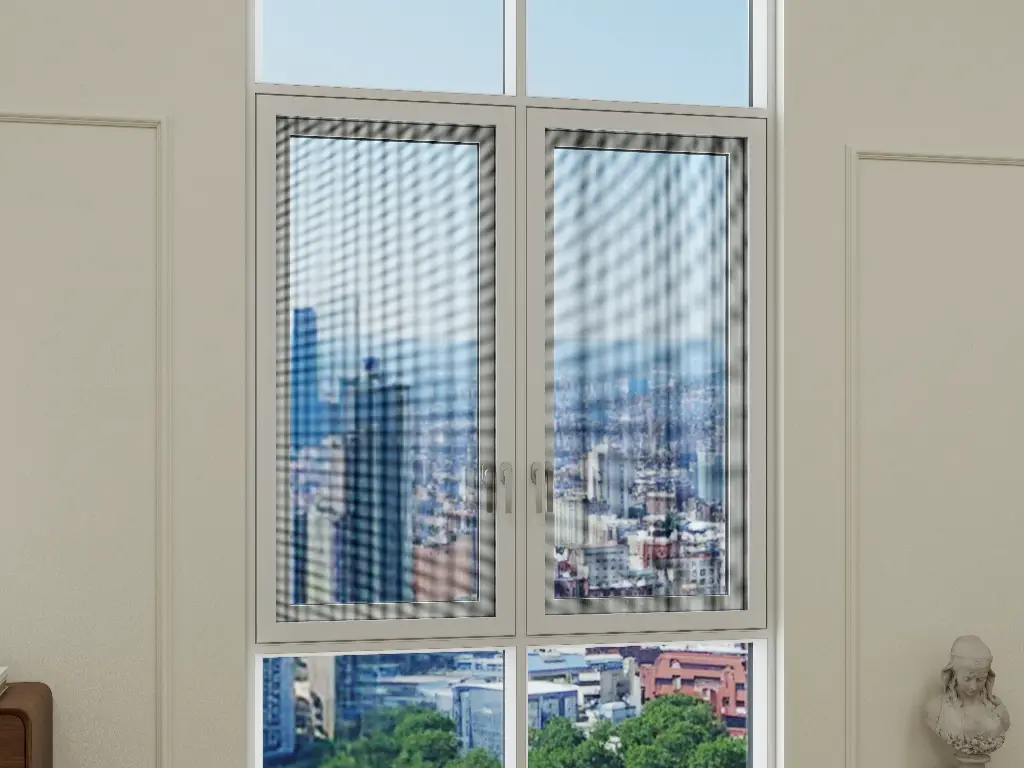
Casement designs operate on side hinges. You turn an internal crank mechanism to swing the sash completely open. This mechanical setup captures maximum airflow but strictly requires clear exterior space to function.
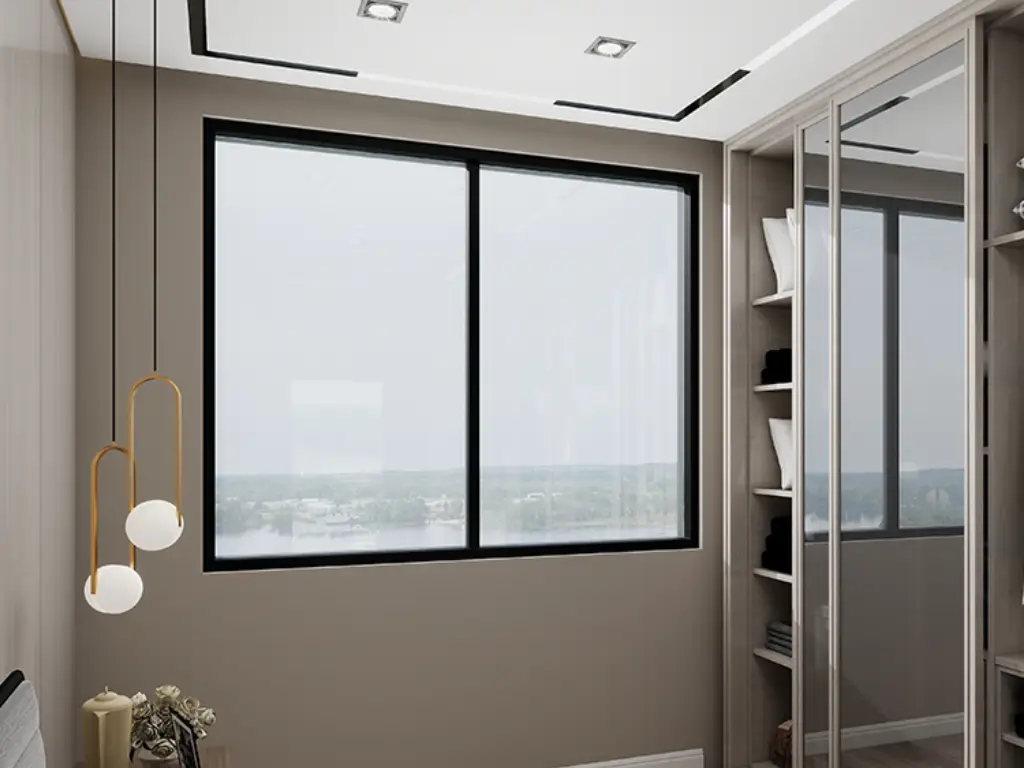
Sliding models take a different approach by running on upper and lower horizontal tracks. The panels glide side-to-side, letting you ventilate the room without occupying any outdoor clearance or interfering with exterior walkways.
Aluminum System Architecture
Window manufacturers house these distinct hardware setups inside engineered aluminum or thermal break profiles. These heavy-duty frames carry the structural load of the glass while keeping the moving mechanical parts perfectly aligned.
Engineering teams adapt these basic operations to build specialized architectural product lines. You see this applied directly as tightly sealed casement frames designed for severe weather, or ultra-slim sliding tracks built to maximize tight interior spaces.
Key Differences Between Семонные окна и Скользящие окна
Casement windows prioritize airtight energy efficiency and maximum ventilation, while sliding windows deliver cost-effective, low-maintenance operation for wide horizontal spaces.
| Техническая спецификация | Aluminum Casement Windows | Aluminum Sliding Windows |
|---|---|---|
| Opening Mechanism | Side-hinged crank/swing outward | Horizontal track glide/sliding |
| Уплотнение & Термальный | Airtight compression seals (Начальство) | Brush/Weatherstripping seals (Стандартный) |
| Security Level | Высокий (Integrated multi-point locking) | Стандартный (Center latches/crescent locks) |
| Exterior Clearance | Required (Needs outward space) | Not required (Экономия места) |
| Optimal Openings | Tall, narrow vertical openings | Wide, expansive horizontal openings |
| Лучшее для | High-rise luxury condos, холодный климат, & звукоизоляция. | Balconies, high-traffic walkways, & бюджетные проекты. |
Энергоэффективность
Casement windows easily outperform sliding styles in thermal performance. When you lock a casement window, the mechanism pulls the sash tightly against the frame. This creates an airtight compression seal on all four sides that blocks drafts completely.
Sliding windows rely on flexible weatherstripping along the top and bottom tracks to allow horizontal movement. These flexible seals cannot match the tight compression of a casement latch, allowing trace amounts of air to pass through the gaps even when fully closed.
Долговечность и обслуживание
Sliding windows hold a mechanical advantage. They operate on a simple track system with fewer moving parts to break or corrode. You only need to keep the tracks free of dirt and debris to ensure smooth operation over the long term.
Casement windows rely on complex hardware. А crank handles, петли, and latches require regular lubrication and wear down faster, particularly in high-humidity environments. But when it comes to glass cleaning, casement windows win. You can clean the exterior glass easily from inside the building, while second-story sliding windows often require ladders to reach the outside panes.
Функции безопасности
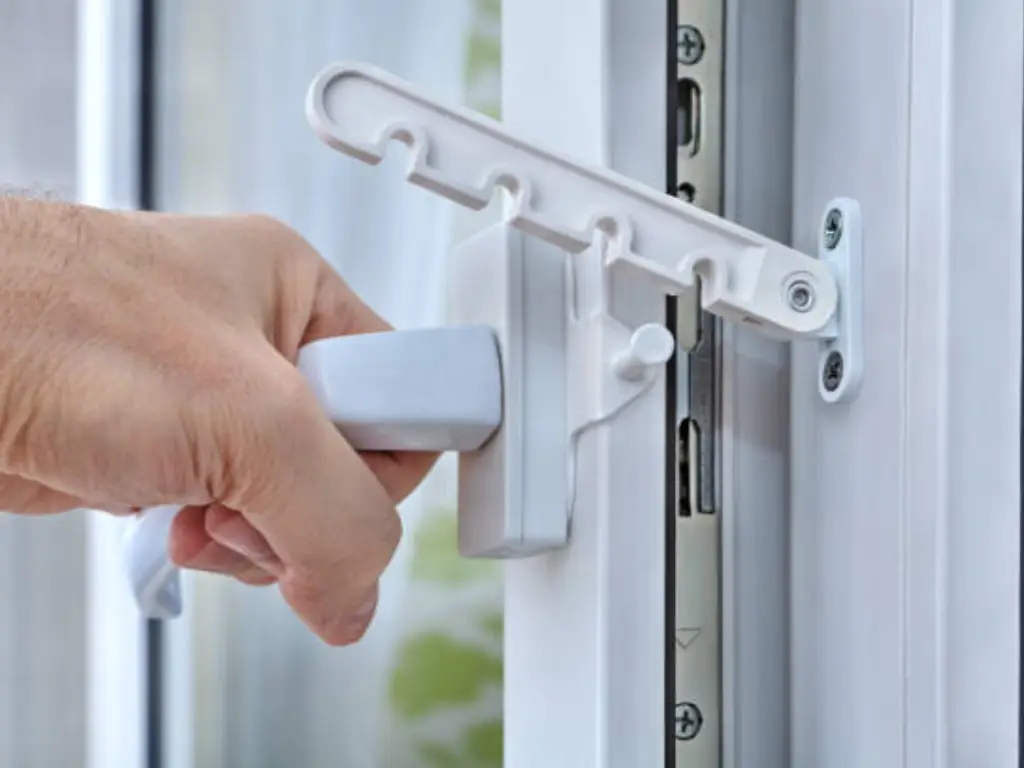
Manufacturers embed multi-point locking systems directly into casement window frames. When engaged, the hook-shaped locks anchor the sash to the frame at several points, making it incredibly difficult for intruders to pry the window open from the outside.
Standard sliding windows feature basic center latches. Unless you upgrade to heavy-duty security bars or secondary track locks, the standard sliding mechanism offers lower baseline security against forced entry.
Airflow Comparison
Casement windows dominate ventilation metrics. Because the entire sash swings outward on a side hinge, you utilize 100% of the window opening for fresh air. The angled glass acts like a sail, catching side breezes and funneling them directly into the room.
Sliding windows restrict your airflow. Since one pane must slide over the other, you can only open 50% of the total window space at any given time.
Aesthetics and Style
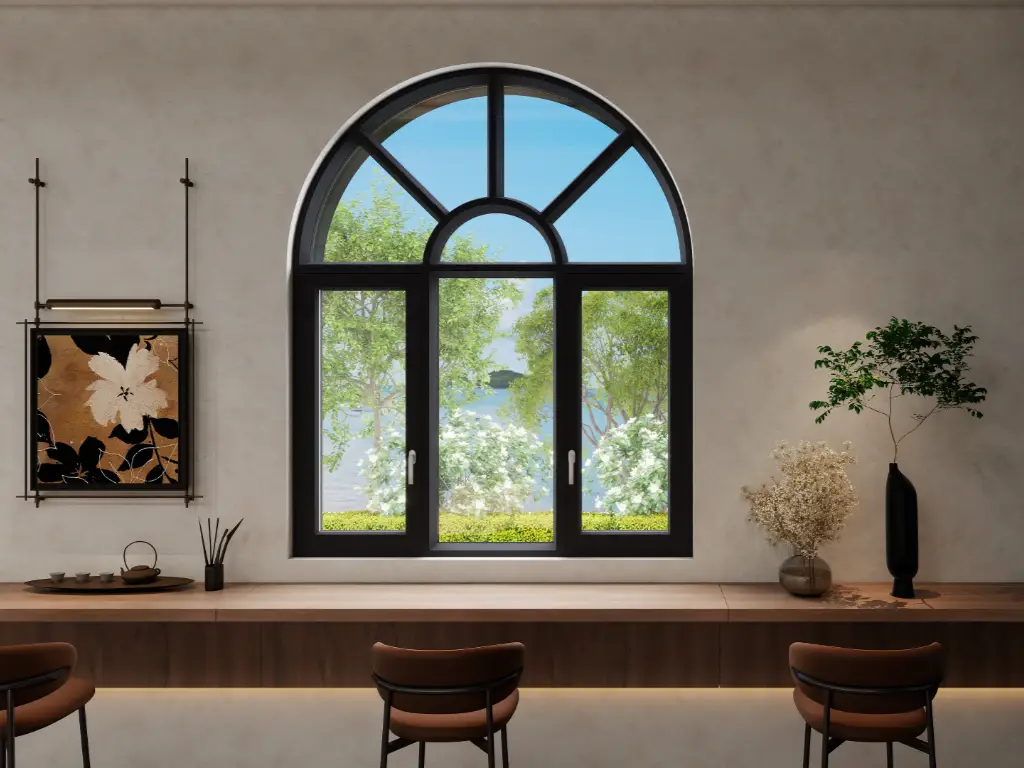
Builders pair casement windows with traditional, craftsman, and historic architectural styles. Their single-pane design eliminates the center meeting rail, providing clear, uninterrupted sightlines. They fit best in tall, narrow wall openings where horizontal sliders look out of place.
Architects choose sliding windows to solve specific structural challenges:
- Zero Clearance Areas: Perfect for walls facing tight walkways, decks, or dense shrubs.
- Expansive Walls: Ideal for wide horizontal spaces that require large continuous frames.
- Современная эстетика: Complements contemporary buildings with clean, minimalist horizontal lines.
Your final selection depends entirely on whether your priority is maximizing climate control with a casement design, or maximizing horizontal space efficiency with a sliding unit.
High-Performance Aluminum Windows For Global Projects
Cost Considerations for Your Budget
Effective window budgeting requires tracking direct material costs and indirect shipping fees. You can optimize expenses without sacrificing quality by leveraging integrated manufacturing and flexible order quantities.
Analyzing Direct and Indirect Expenses
To build a realistic project budget, you need to separate your procurement expenses into clear categories. Direct costs represent the physical components and hands-on work required to produce your window systems, while indirect costs dictate your operational baseline.
- Direct Costs: Raw materials including aluminum profiles and glass, alongside manufacturing labor and fulfillment fees.
- Indirect and Variable Costs: Shipping logistics, operational facility overhead, and seasonal supply chain fluctuations that shift total project expenditures.
Tracking these distinct categories allows you to identify exactly where your budget is going and where you can negotiate better rates with your manufacturing partners.
Optimizing Budgets with Integrated System Manufacturing
Fragmented supply chains drain your budget. When you source materials across different vendors, you absorb multiple markups and logistical fees. You can control total project costs by partnering with facilities that handle integrated system manufacturing.
- Consolidated Production: Keeping phases like aluminum profile surface treatment and glass processing in-house directly reduces variable supply chain costs.
- Flexible Volume Requirements: Utilizing low minimum order quantities—starting at just 2㎡—prevents capital tie-up on untested products.
- Risk Mitigation: Free sample testing allows you to validate thermal break efficiency and sealing performance before committing to large-volume commercial orders.
This consolidated approach keeps your procurement lean. You protect your margins upfront while ensuring the final window systems meet strict performance standards.
Matching the Right Window Style to Different Rooms in Your Home
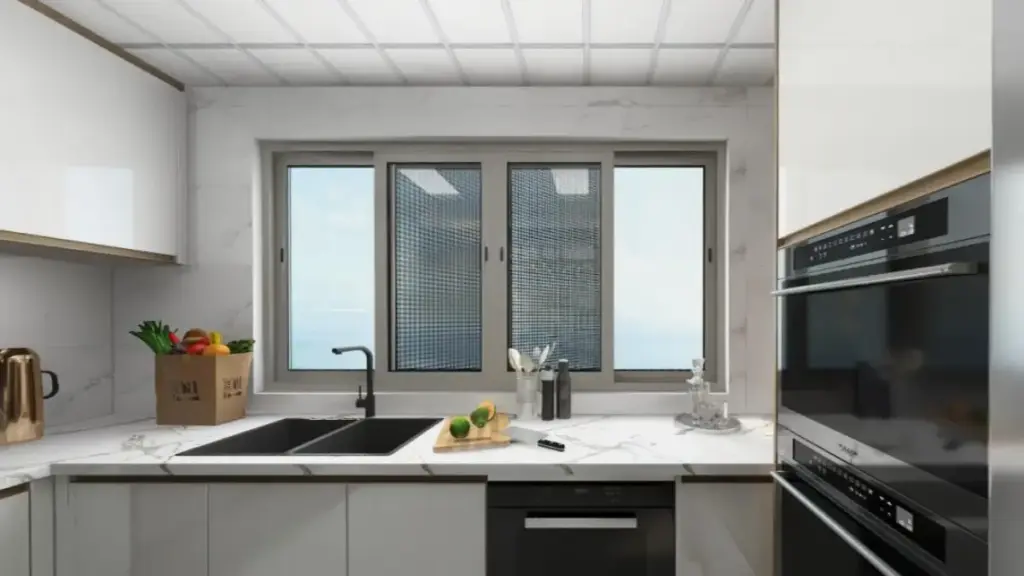
Match window styles to room functions: large picture windows for living room views, secure casements for bedroom ventilation, and space-saving sliding options for moisture-heavy kitchens and bathrooms.
Evaluating Functional Needs by Room Type
Every room serves a distinct purpose, and your window choices must reflect those operational demands. Selecting the right frame and glass combination dictates both daily comfort and long-term usability.
- Гостиные: Install picture and bay windows to maximize natural light and capture wide, беспрепятственный обзор.
- Спальни: Prioritize privacy and controlled airflow by specifying casement and sliding windows.
- Bathrooms and Kitchens: Manage high moisture and tight clearances using space-saving awning, hopper, and sliding windows that vent steam efficiently.
Applying the F16 Casement and 120 Раздвижная серия
Matching specific product lines to room requirements guarantees reliable performance. Deploy the F16, Q35, и X11 aluminum casement series directly in bedrooms and kitchens. These specialized units provide rigorous compression sealing and precise ventilation control, keeping interior climates stable while actively venting cooking heat and odors.
For modern rooms dealing with limited clearance, utilize the 120, TS5, and TS6 sliding window series. These models deliver highly functional, space-saving layouts. Their horizontal track operation requires zero outward swing space, making them the exact structural fit for tight walkways or installations directly behind kitchen fixtures.
Заключительные мысли
Specifying high-performance алюминиевые окна is a strategic investment in architectural longevity. While standard frames may reduce upfront costs, only integrated thermal break profiles provide the airtight compression and structural integrity necessary to prevent weather-related failures. By prioritizing engineering precision over low-cost alternatives, you safeguard project margins and ensure superior climate control for the end-user.
As a leading manufacturer, Опуо delivers CE-certified aluminum systems that bridge the gap between complex blueprints and physical performance. We invite you to validate our manufacturing precision with a free sample or a custom trial order. Contact Opuomen team today to secure wholesale pricing and align our high-performance extrusions with your next global project.
Часто задаваемые вопросы
Что лучше: a casement window or a sliding window?
The right choice depends on your home’s layout and climate needs. Casement windows deliver superior energy efficiency, maximum ventilation, and enhanced security because they seal tightly against the frame and open fully outward. Sliding windows cost less, fit perfectly into tight exterior spaces since they do not swing out, and require less maintenance over time due to fewer moving parts.
What are the main disadvantages of casement windows?
Casement windows cost more upfront and face strict size limitations for wide openings. They demand clear exterior space to swing outward, making them a poor fit next to walkways, патио, or dense shrubs. You also have to deal with mechanical wear—cranks and hinges degrade over time. Окончательно, they require interior-mounted screens and block the use of standard window-mounted air conditioners.
Why choose casement windows over double-hung windows?
Casement windows provide unmatched energy efficiency by pressing the sash firmly into the frame to create an airtight seal. They capture stronger airflow since the entire window opens outward to pull in side breezes. You also get an unobstructed view through a single pane of glass. The built-in crank mechanism makes them incredibly easy to operate in hard-to-reach spots, like directly over a wide kitchen sink.
Where should I avoid installing casement windows?
Keep casement windows away from narrow exterior walkways, decks, or dense landscaping where the outward swing creates an obstruction. You should also avoid placing them in zones with extreme wind exposure, as gusts can damage the hinges when open. Skip them on upper floors unless you plan to hire professionals, because cleaning the exterior glass from the inside becomes a difficult and dangerous task.
Do sliding windows last longer than casement windows?
Sliding windows hold a slight durability advantage because they operate on a simple horizontal track with minimal moving parts. Casement windows rely on cranks, gears, and hinges that eventually wear out or require lubrication. A window’s actual lifespan ultimately depends on the frame material, installation quality, and your routine maintenance schedule rather than the operating style alone.
Which window style is easier to clean?
Sliding windows clean easily because they feature simple horizontal tracks and give you straightforward access to both sides of the glass. Casement windows force you to swing the sash fully open, making the hinged exterior side difficult to reach. This becomes a major headache on the upper levels of a home, often requiring a ladder or professional cleaning service.