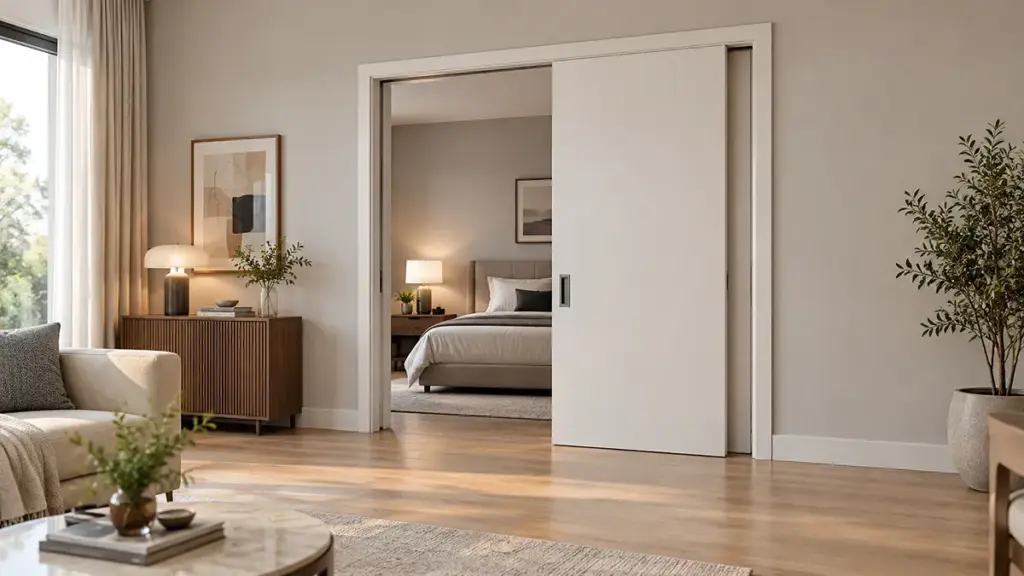
A escolha do fabricante certo de portas deslizantes de alumínio impacta diretamente os prazos do projeto, custos globais, e desempenho a longo prazo. A má seleção leva a reclamações frequentes de garantia, maior manutenção, e integridade estrutural comprometida. Esta decisão crucial afeta a lucratividade e a satisfação do cliente durante todo o ciclo de vida do projeto.
Fornecemos uma estrutura para avaliar fabricantes com base em critérios verificáveis. Isto inclui a avaliação de especificações técnicas cruciais, como valores U (Por exemplo, 0.84 C/(m²K)), resistência à carga do vento (até classe C4), e espessura da parede do perfil (sobre 2.0 mm para uso comercial). A compreensão dessas métricas garante que você selecione um parceiro capaz de fornecer soluções duráveis, sistemas de alto desempenho para seus projetos de alto nível.
O que um bom fabricante deve oferecer
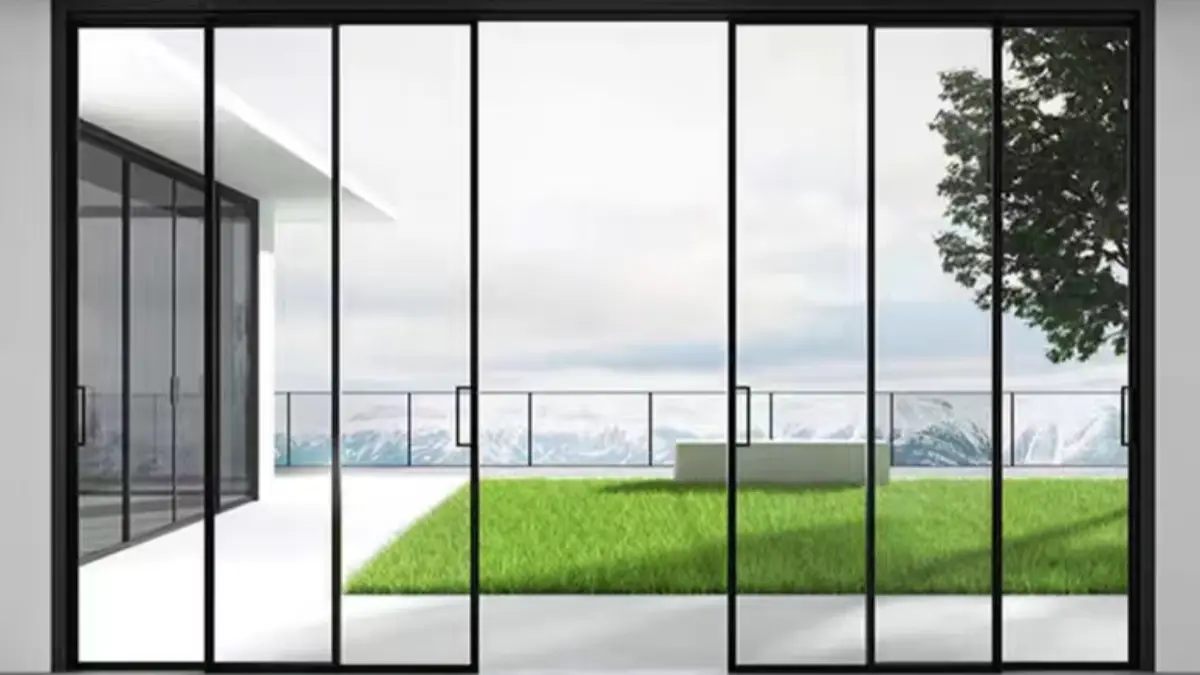
Um bom fabricante de portas deslizantes de alumínio oferece produtos de forte qualidade, suporte confiável, e um compromisso com o desempenho em todo o design, produção, e serviço.
Qualidade e Versatilidade do Produto
Um fabricante de qualidade oferece diversas ofertas de produtos e engenharia robusta.
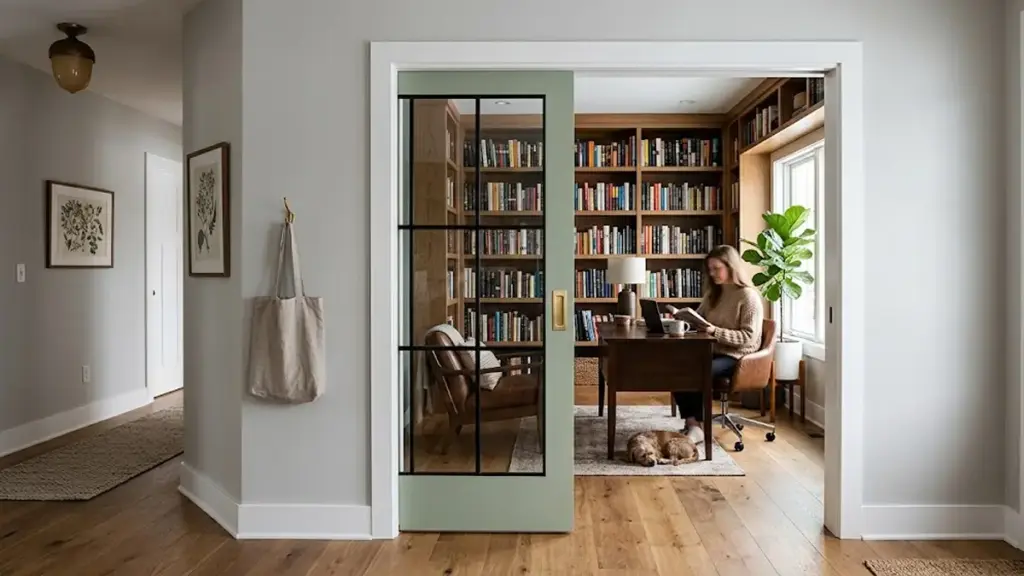
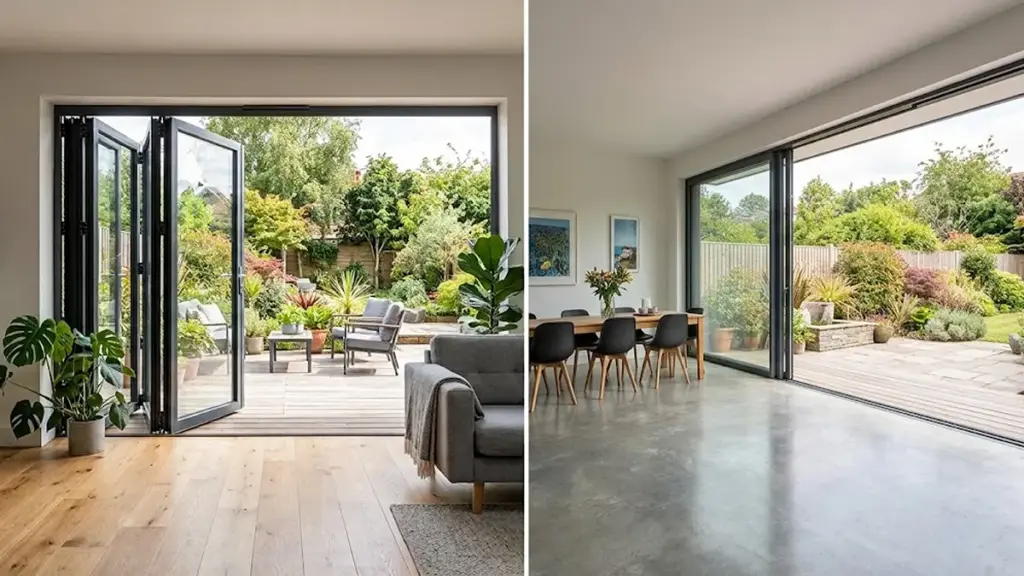
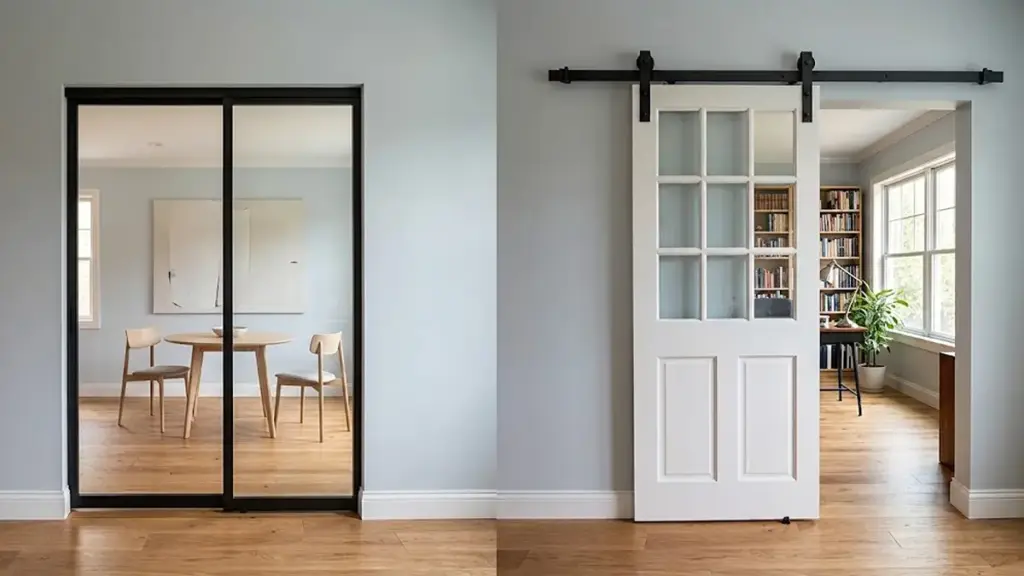
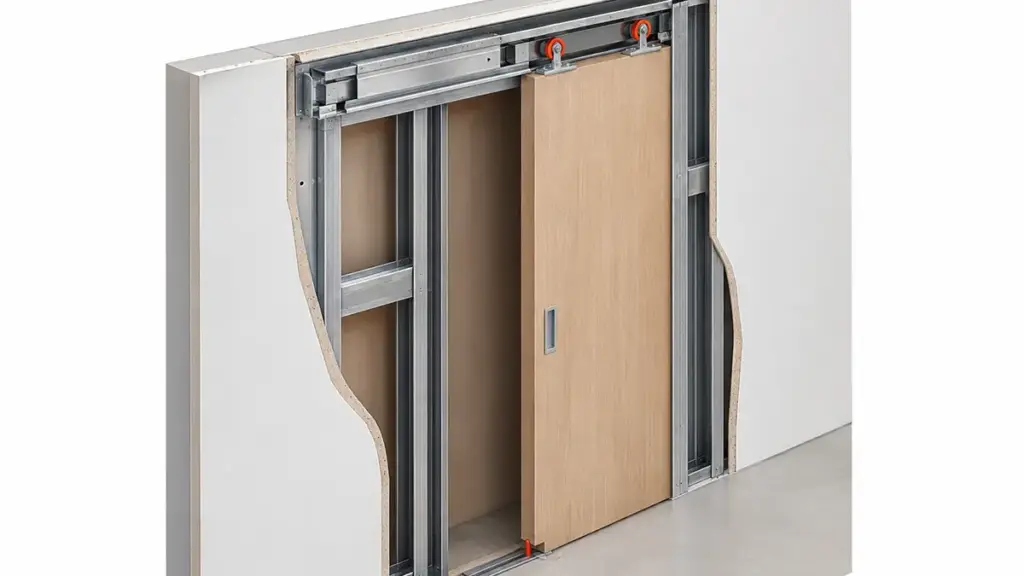
- Gama abrangente de produtos: Eles oferecem vários tipos de portas deslizantes, incluindo vários slides, elevador & deslizar, bolso, e sistemas de empilhamento. Eles também oferecem opções de dobra dupla e dobrável para projetos relevantes. Os produtos estão disponíveis para linhas residenciais e comerciais, sob medida para casas, unidades multifamiliares, hospitalidade, e escritórios. Espere configurações flexíveis como XO, BOI, OXO, OXXO, painéis personalizados, e portas de canto ou de bolso.
- Qualidade de materiais e componentes: Eles usam extrusões de alumínio de alta qualidade com tolerâncias dimensionais restritas, oferecendo perfis quebrados termicamente para reduzir a transferência de calor. Os acabamentos de superfície incluem revestimento em pó durável e anodização com garantias contra desbotamento ou descascamento, além de opções de cores personalizadas.
- Projeto, Estética, e Personalização: Procure molduras estreitas de alumínio que maximizem a área de vidro e ofereçam limpeza, estética minimalista. A personalização inclui painéis grandes, layouts flexíveis de montante, e integração com sistemas de janelas adjacentes. Eles acomodam requisitos exclusivos, como controles deslizantes de canto, aberturas curvas, e persianas integradas.
- Inteligente, Especializado, e recursos de alto valor: Eles fornecem opções de deslizamento motorizado compatíveis com sistemas domésticos inteligentes (Por exemplo, Matéria 2.0) e integração com controle de acesso (cartões-chave, RFID). Variantes especializadas incluem controles deslizantes com classificação de fogo, controle de fumaça, versões com segurança aprimorada, e portas de alto desempenho acústico.
Confiabilidade e suporte do fabricante
Um fabricante confiável apoia seus produtos com forte suporte, desde testes até serviço pós-venda.
- Capacidade de fabricação e controle de qualidade: Eles mantêm sistemas robustos de gerenciamento de qualidade para qualidade de produção consistente e tolerâncias documentadas para esquadria e alinhamento da estrutura. Eles podem ser dimensionados para suportar grandes construções ou projetos menores. Para compradores comerciais, Os programas OEM oferecem orientação técnica e opções de marca.
- Suporte Técnico e Serviços de Projeto: Conte com projeto pré-venda e assistência de engenharia para ajudar a selecionar sistemas de portas adequados. Eles fornecem ferramentas de especificação, como catálogos abrangentes e folhas de dados. Eles também oferecem manuais de instalação, treinamento, e suporte de campo opcional para projetos complexos.
- Garantia, Serviço Pós-Venda, e suporte ao ciclo de vida: Eles fornecem claro, garantias robustas cobrindo molduras de alumínio, acabamentos, unidades de vidro, e hardware. Os produtos podem ser reparados, com peças de reposição (rolos, bloqueios, vedações) disponível durante uma vida útil definida do produto. Os sistemas são projetados para fácil manutenção, com suporte ao cliente ágil para todas as partes interessadas.
Por que a capacidade personalizada é importante
Capacidades personalizadas na fabricação de portas deslizantes são cruciais, uma vez que os projetos têm diversas necessidades de tamanho, desempenho, e design, quais produtos padrão não abordam.
A personalização é vital na fabricação de portas deslizantes de alumínio. Os requisitos do projeto geralmente diferem de acordo com o tamanho da abertura, layout, metas de desempenho, acabamentos, e condições do local. As portas padrão simplesmente não se adaptam a todas as aplicações.
Vantagens de personalização específicas do projeto
As portas cabem em aberturas fora do padrão. Você combina com a abertura, não forçar a abertura para corresponder a um produto em estoque.
O alinhamento do design com a arquitetura significa opções personalizadas em materiais de estrutura, acabamentos, e o vidro se alinham com a intenção visual do edifício.
Configurações personalizadas maximizam o espaço utilizável e adaptam-se à geometria da sala, especialmente onde a folga é apertada.
Materiais mais fortes, sistemas de bloqueio específicos, e conjuntos resistentes às intempéries atendem melhor aos requisitos de segurança e durabilidade do que opções fixas.
Drivers de produto e mercado para capacidade personalizada
Grandes aberturas são comuns para portas deslizantes de alumínio. Os fabricantes precisam construir unidades maiores ou especialmente configuradas.
As propriedades do material do alumínio atendem a uma ampla variedade de configurações e acabamentos. É forte e leve.
As necessidades específicas do projeto variam entre residências, comercial, e setores de hospitalidade. Cada um requer diferentes combinações de estética, acessibilidade, e desempenho.
Portas de alumínio-madeira de alto desempenho para projetos globais
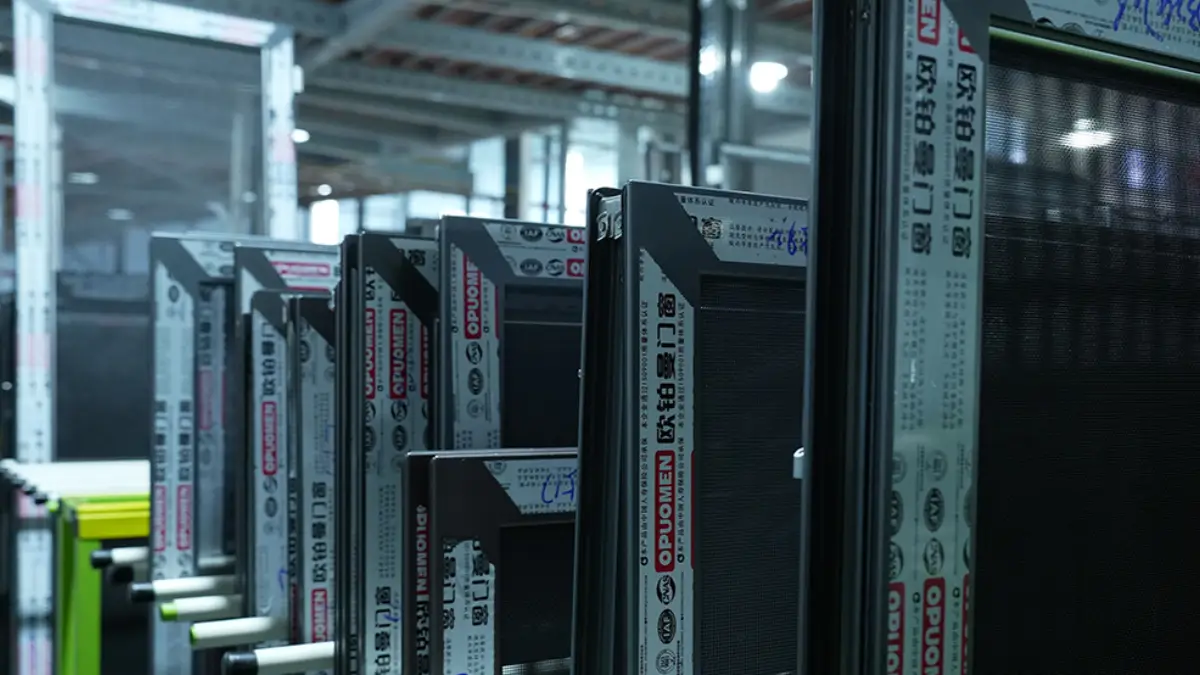
O que verificar nas amostras e especificações
Ao avaliar amostras e especificações de portas deslizantes de alumínio, verificar os principais atributos do produto, qualidade de fabricação, dados de desempenho, e conformidade da documentação. Essas verificações garantem que você obtenha um sistema confiável.
Atributos essenciais do produto e qualidade de fabricação
Primeiro, você precisa verificar os principais atributos do produto. Verifique o tamanho geral da porta, garantindo a largura do quadro, altura, e profundidade correspondem aos desenhos da sua loja. Confirme se há um espaço de instalação de 10–15 mm entre a estrutura e a alvenaria para uma vedação adequada. Também, certifique-se de que a largura livre da abertura atenda aos requisitos arquitetônicos e de código.
Para alinhamento, verifique se a moldura externa está em prumo, nível, e quadrado, idealmente com variância zero. Uma lacuna consistente ao redor da faixa, tipicamente 5 milímetros ou menos, também é crítico. Olhe para o vidro: confirme sua espessura, tipo (claro, tingido, baixo-E), e construção (solteiro, com vidro duplo, laminado) corresponde à especificação. Verifique o tamanho do vidro e garanta cobertura de borda suficiente na bolsa de vidro sem contato entre vidro e alumínio.
O material e o acabamento do alumínio merecem um exame minucioso. Confirme a liga (Por exemplo, 6063) e temperamento (Por exemplo, T5/T6) atender à documentação do sistema e às especificações do projeto. As certificações de materiais devem verificar o desempenho mecânico. Espessura da parede do perfil, normalmente 1,4–2,0 mm para residências e mais 2.0 mm para comercial, precisa corresponder aos cálculos estruturais. Use calibradores para medir amostras para obter espessura mínima consistente. Verifique o tipo de acabamento da superfície – pintura em pó, esmalte, ou anodizado - e garanta o código de cores, nível de brilho, e espessura do revestimento (Por exemplo, pó pelo menos 60–80 μm) estão corretos.
A qualidade do hardware não é negociável. Verifique o tipo de rolo, material (eixo de aço inoxidável, roda de náilon/metal), e classificação de carga. A faixa deve deslizar suavemente sem arranhar ou grudar, e sem chocalhar. Confirme se o mecanismo de ajuste do rolo funciona. Teste se as travas estão totalmente encaixadas e as alças funcionam suavemente. Juntas e calafetagem são vitais. Confirme o tipo de junta (EPDM, TPE), material, e dureza.
Verificação de Desempenho e Conformidade da Documentação
A verificação de desempenho começa com critérios estruturais. Confirme se o design do perfil e a espessura do vidro atendem aos limites de carga e deflexão do vento. Para amostras maiores, garantir que a folha e a moldura fiquem firmes e rígidas quando fechadas, sem flacidez visível. Verifique a estanqueidade do ar observando se há barulho, penetração de luz nas vedações, ou rascunhos. A gestão da água é crítica: confirme se o trilho inferior tem inclinação adequada e caminhos de drenagem com orifícios de drenagem suficientes. O selante nos cantos da moldura deve ser contínuo.
Avalie como a porta interage com a instalação. A amostra ou maquete deve mostrar a posição correta da moldura em relação aos batentes e ao piso acabado. Uma folga adequada de 10–15 mm para o selante ao redor da estrutura é padrão. Inspecione o tipo de selante especificado e confirme um cordão contínuo sem rachaduras ou vazios. Certifique-se de que as lacunas internas entre as seções sejam preenchidas.
Testes de operação funcional são essenciais. Abra e feche cada faixa repetidamente; não deve haver arranhões no peitoril ou na pista, e a resistência deve ser uniforme. A porta deve permanecer estável em qualquer posição. Opere fechaduras e alças várias vezes, confirmando bloqueio e desbloqueio suaves.
A documentação e a conformidade com os padrões são indicadores-chave da confiabilidade de um fabricante. Confirme se o sistema de qualidade está alinhado com a ISO 9001:2015 ou um equivalente. Verifique as referências aos padrões relevantes de desempenho de janelas e portas, como relatórios de testes estruturais de ar/água/. As folhas de especificações do fabricante devem definir parâmetros críticos e tolerâncias aceitáveis.
Noções básicas de produção e controle de qualidade
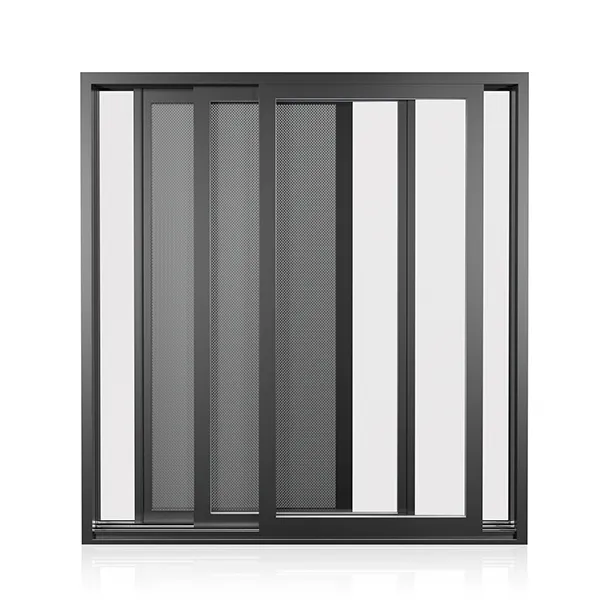
A produção de portas deslizantes de alumínio depende de fabricação precisa, conjunto, acabamento, e integração. O controle de qualidade garante inspeção sistemática em relação aos padrões da indústria em todas as fases.
Visão geral do processo de produção
A fabricação de portas deslizantes de alumínio envolve um processo estruturado, começando com matérias-primas e passando pelo design, fabricação, e acabamento. Tudo começa com a moldagem de perfis de alumínio, em seguida, montar meticulosamente os componentes em um sistema de porta funcional.
Os tarugos de alumínio bruto são aquecidos a cerca de 375°C–500°C. Nós controlamos a temperatura, velocidade de imprensa, e taxa de têmpera para garantir propriedades mecânicas consistentes e precisão dimensional. Após extrusão e resfriamento, endireitamos e cortamos perfis em comprimentos de estoque, mantendo tolerâncias rígidas para fabricação posterior.
Os sistemas de portas são projetados para deslizamento suave, alinhamento correto do painel, e folgas precisas entre trilhos e folhas. Consideramos o tamanho do painel, peso, carga de vento, estanqueidade à água, e deflexão permitida para grandes aberturas. Os requisitos do cliente determinam o tamanho do quadro, configuração do painel, e detalhes de limite. Térmico, acústico, e as necessidades de segurança orientam nossas escolhas para o tipo de vidro, layouts de pista, e perfis de reforço.
A fabricação começa com corte de precisão. Cortamos perfis de acordo com desenhos de construção, certificando-se de que a precisão do comprimento seja mantida dentro de ± 2 mm para garantir a esquadria. As portas deslizantes geralmente usam ângulo reto (90°) cortes para juntas de moldura e caixilho. A perfuração para montagem e ferragens também é precisa; evitamos perfurações repetidas em superfícies visíveis.
A montagem da moldura e do caixilho envolve o uso de métodos de topo em ângulo reto e topo vertical. As conexões entre membros horizontais e verticais usam conectores especiais ou ângulos de alumínio. O reforço de canto inclui travas e divisas inseridas em câmaras de perfil com adesivo. Garantimos que as molduras e folhas estejam quadradas e alinhadas diagonalmente, pois o desalinhamento afeta o desempenho de deslizamento e a vedação.
O tratamento e acabamento superficial protegem o alumínio e melhoram a estética. A anodização cria uma camada de óxido, melhorando a resistência à corrosão e a dureza. O revestimento em pó proporciona durabilidade, acabamentos coloridos resistentes a arranhões e escamação. Inspecionamos quanto à cor uniforme e ausência de defeitos. A vidraça envolve a seleção de tipos de vidro, como vidro temperado para segurança e unidades com eficiência energética para desempenho térmico.
Princípios de Garantia de Qualidade
A garantia de qualidade garante consistência e desempenho durante toda a produção. Usamos uma estrutura de inspeção em vários estágios, verificando rigorosamente os materiais, processos, e produtos acabados. Esta abordagem proativa detecta quaisquer desvios antecipadamente.
Nossa inspeção em vários estágios começa com a verificação do material. Entrada de alumínio, vidro, e hardware são inspecionados quanto à conformidade com as especificações. Durante a fabricação, realizamos verificações durante o processo nas dimensões de corte, posições de perfuração, alinhamento de canto, e qualidade do revestimento. Os trabalhadores de produção e a equipe de controle de qualidade monitoram cada etapa de perto.
O teste de desempenho é crítico. Realizamos testes operacionais para confirmar o bom funcionamento do painel e do hardware sob cargas normais. Nossas fábricas de ponta também avaliam a estanqueidade, vazamento de ar, redução de ruído, e resistência à carga de vento para sistemas de portas. Isso garante que os produtos resistam aos desafios ambientais e atendam a critérios de desempenho específicos.
Nossos principais princípios de controle de qualidade concentram-se em materiais premium, precisão, inspeção rigorosa, e processos padronizados. Usamos perfis de alumínio de alta qualidade, vidro temperado certificado, e hardware robusto. Mantemos tolerâncias rigorosas na extrusão, corte, perfuração, e montagem para esquadria e alinhamento da estrutura.
Suporte para embalagem e envio
Os fabricantes de portas deslizantes de alumínio garantem a entrega segura do produto através de embalagens robustas, conformidade estrita, manuseio eficiente, e suporte logístico personalizado.
Padrões e Métodos de Embalagem Protetora
- Os objetivos da embalagem incluem a prevenção de danos, garantindo rastreabilidade, permitindo um manuseio eficiente, atendendo aos padrões internacionais, e sendo resistente, seguro, empilhável, versátil, e identificar claramente os componentes vulneráveis.
- Materiais e métodos usam espuma EPE, caixas duras, e protetores de borda para quadros. Eles aplicam plástico bolha e camadas de separação para vidro. Pacote de hardware e acessórios em caixas etiquetadas.
- Antes de embalar, os fabricantes limpam e inspecionam completamente cada unidade em busca de defeitos. Eles também verificam configurações para manter condições perfeitas.
- Práticas sustentáveis reduzem o desperdício. Incorporam materiais ecológicos, como papelão reciclável e paletes reutilizáveis para minimizar o impacto ambiental.
Gerenciamento Coordenado de Envio e Entrega
- O design da embalagem permite empilhamento. Os fabricantes fixam cargas dentro de contêineres usando cintas, bandas, e material para evitar deslocamento durante o trânsito.
- Os rótulos incluem o tipo de produto, modelo, tamanho, peso, instruções de manuseio, e avisos para componentes frágeis. Isso garante a identificação adequada.
- Os fabricantes aderem aos padrões de embalagem quanto à robustez, segurança, e sustentabilidade. Eles apoiam os compradores com listas de embalagem detalhadas e certificados de desempenho.
- Os serviços de remessa fornecem suporte integrado para seleção de transportadora e métodos de entrega. Isto inclui consulta sobre carga completa do contêiner (FCL), carga menor que o contêiner (LCL), ou opções de frete de caminhão.
Como comparar fabricantes
Comparar fabricantes de portas de alumínio significa investigar a qualidade do produto, desempenho, serviço, e custo total. Não olhe apenas para o preço.
Para escolher o fabricante certo de portas deslizantes de alumínio, você precisa de uma estrutura clara. Não se trata apenas de um lance baixo. Você precisa olhar além da superfície para ver o desempenho real, valor a longo prazo, e quão bem eles apoiam você.
| Principais fatores de comparação | Passos práticos para avaliação do fabricante |
|---|---|
| Aspectos de qualidade e durabilidade do produto | Definir requisitos específicos do projeto e prioridades de desempenho |
| Métricas de eficiência energética e desempenho térmico | Fabricantes selecionados com base no foco do segmento de mercado |
| Projeto, estética, e opções de configurabilidade | Avalie especificações técnicas detalhadas e sistemas de produtos |
| Certificações, conformidade, e resultados de testes | Avalie o serviço, termos de garantia, e potencial de relacionamento de longo prazo |
| Escala de fabricação, capacidades, e posicionamento de mercado | Conduza uma análise abrangente do custo total de propriedade |
| Serviço, garantia, e disposições de apoio | Utilize matrizes de comparação e filtros críticos para o desempenho |
| Avaliação do custo total de propriedade |
Principais fatores de comparação
Ao avaliar fabricantes de portas deslizantes de alumínio, você precisa pesar vários fatores. Isso vai além do preço imediato. Considerar:
- Qualidade e durabilidade do produto: Procure materiais de estrutura robustos, hardware forte, e acabamentos que resistem às condições do mundo real.
- Eficiência energética e desempenho térmico: Isto é crítico. Verifique os valores U, rupturas térmicas, e especificações de vidros.
- Certificações, conformidade, e testes: Verifique se seus produtos atendem aos padrões da indústria e aos códigos de construção. Peça relatórios de teste.
- Escala de fabricação, capacidades, e posicionamento de mercado: Eles são especialistas ou generalistas? Eles têm capacidade para o tamanho do seu projeto?
- Serviço, garantia, e suporte: Qual é a reputação deles por defenderem seus produtos? Quão bom é o suporte técnico deles?
Passos práticos para avaliação do fabricante
Avaliar fabricantes é um processo. Siga estas etapas para eliminar o ruído e tomar uma decisão informada:
- Definir requisitos específicos do projeto e prioridades de desempenho: Saiba exatamente o que você precisa em termos de tamanho, estética, desempenho, e orçamento antes de começar a procurar.
- Avalie especificações técnicas detalhadas e sistemas de produtos: Entre no mato. Observe as seções transversais do perfil, especificações de hardware, e pacotes de vidros.
- Avalie o serviço, termos de garantia, e potencial de relacionamento de longo prazo: Uma boa garantia é tão boa quanto a empresa por trás dela. Verifique o suporte pós-venda.
- Conduza uma análise abrangente do custo total de propriedade: Isso inclui custos iniciais, instalação, manutenção, e desempenho energético ao longo da vida útil do produto.
Considerações Finais
Optar por um custo inicial mínimo em vez de uma resistência de fabricação comprovada em portas deslizantes de alumínio é uma aposta. O sucesso a longo prazo do seu projeto, integridade estética, e a satisfação do cliente dependem de qualidade verificável, engenharia robusta, e padrões de produção transparentes. A escolha de um fabricante certificado com rigoroso controle de qualidade protege sua reputação contra falhas dispendiosas e substituições prematuras.
Convidamos você a experimentar em primeira mão a qualidade de nossos produtos com amostras e consultas técnicas detalhadas. Entre em contato com nossos especialistas para alinhar nossas capacidades comprovadas de fabricação com as necessidades precisas do seu projeto, garantindo desempenho e tranquilidade.