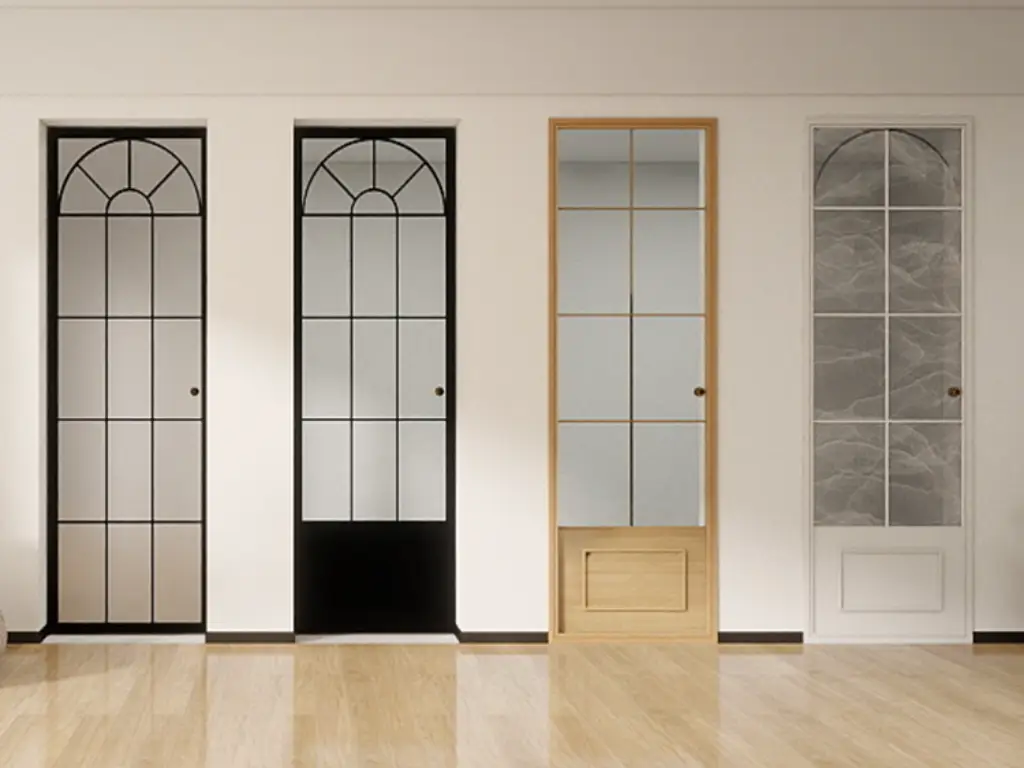
Установка большепролетных алюминиевых раздвижных дверей играет решающую роль в долгосрочном успехе проекта., влияя на все: от устойчивости к атмосферным воздействиям до эксплуатационной эффективности. Для заинтересованных сторон, правильная установка с самого начала означает меньшее количество дорогостоящего ремонта, повышенная структурная целостность, и большее удовлетворение клиентов.
В этом руководстве рассматриваются лучшие практики установки алюминиевых раздвижных дверей., охватывающие передовые методы крепления, точные методы установки регулировочных пластин для тяжелых панелей, и шаги для достижения воздухонепроницаемых и водонепроницаемых уплотнений. В нем также показано, как соответствовать строгим стандартам, таким как ASTM E283., обеспечение оптимальной работы дверной системы на долгие годы.
Как правильно закрепить тяжелую раму раздвижной двери?
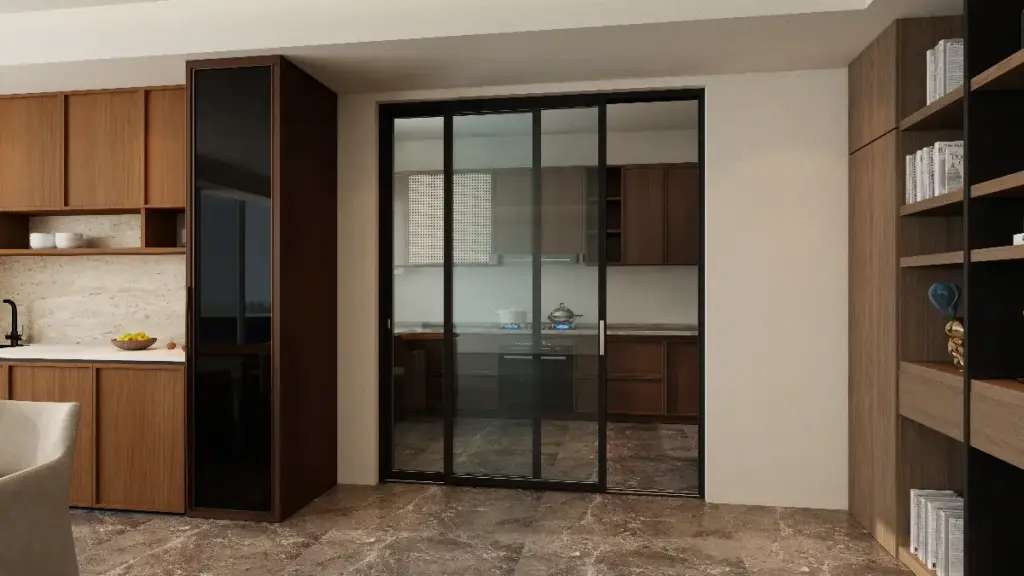
Правильное крепление тяжелых раздвижная дверь кадры требуют точные методы для обеспечения структурной устойчивости:
- Выбирайте крепеж для конкретного основания: Используйте 1/4″ Анкеры Tapcon для бетона (минимум 1-1/4″ внедрение) или #12 Tek винты для алюминия (минимум 0,125″ толстый алюминий) чтобы обеспечить сильные, прочные соединения.
- Следуйте строительным нормам и правилам: Придерживайтесь таких стандартов, как 2007 Строительный кодекс Флориды, особенно в зонах высокоскоростных ураганов, выдерживать расчетное давление до 50 PSF, что приводит к существенным требованиям к несущей способности.
- Совместить с прокладками: прокладки (толщиной до 0,25 дюйма) помогите выровнять рамку, сделать это отвесным, квадрат, и уровень. Это особенно важно для неровных полов..
- Распределите нагрузку: Используйте два якоря на каждую локацию (кроме полосок с крючками) равномерно распределить нагрузку, обеспечение устойчивости рамы к эксплуатационным и ветровым нагрузкам.
- Грузоподъемность крепежа: Убедитесь, что выбранный крепеж соответствует необходимой несущей способности.. Например, #12 Винты Tek выдерживают до 131 фунты на алюминий 6063-T5.
Каковы шаги по выравниванию и выравниванию негабаритных гусениц??
Установка прокладок и выравнивание направляющих раздвижных дверей увеличенного размера — это важный двухэтапный процесс, обеспечивающий долгосрочную производительность и стабильность.:
Шаг 1: Макровыравнивание с помощью несжимаемых прокладок: Начните с установки несжимаемых прокладок по всей длине гусеницы.. Это создает униформу, ровная основа для трека, с первоначальной регулировкой, доводящей отклонения в пределах ±3–4 мм. Этот шаг гарантирует, что гусеница останется стабильной и выровненной по всему пролету..
Шаг 2: Микрорегулировки с помощью интегрированных систем гусениц и тележек: После макровыравнивания, используйте встроенные функции регулировки гусеницы для точной настройки выравнивания. Эти системы часто допускают вертикальный люфт до ¼ дюйма на каждую точку крепления., обеспечение точного контроля над расположением направляющих и предотвращение любых искажений или смещений во время работы ворот..
Шаг 3: Обеспечение правильного распределения нагрузки: Для направляющих, поддерживающих тяжелые панели (до 500 кг), убедитесь, что выравнивание предотвращает скручивание или изгиб. Это имеет решающее значение для поддержания распределения нагрузки по пути., что предотвращает чрезмерный износ или выход из строя при эксплуатационных нагрузках.
Шаг 4: Проверка и окончательная корректировка: Используйте длинный спиртовой уровень или лазерный уровень, чтобы проверить ровность дорожки по всей ее длине., гарантируя, что он идеально выровнен. Для более длинных пролетов, убедитесь, что дорожка остается ровной от одного конца до другого.
Для достижения точного выравнивания и выравнивания, ниже приведены ключевые характеристики системы, соответствующие процессу выравнивания.:
| Система/Компонент | Ключевая спецификация | Стоимость/Детализация |
|---|---|---|
| КС КавиТрек (Сверхпрочный алюминий) | Грузоподъемность & Максимальная длина | До 500 кг (1100 фунт) за дверь; Макс 8.5 м (28 футы) длина |
| Краунлаб Бальдур | Панельная нагрузка & Корректирование | До 550 фунт панели; ¼” вертикальная регулировка на гусеничных креплениях + ¼” вертикальная игра в тележках |
| Андерсен МультиГлайд | Максимальное открытие & Размер панели | Открытия до 50 ширина футов × 10 футов высотой; Ширина панели до 60″ |
| Руководства по алюминиевым раздвижным дверям | Критическое смещение высоты двери | Высота двери = Высота проема — 36 мм (поверхностный монтаж) или −31 мм (вставка) |
| Гусеницы для тяжелых условий эксплуатации. | Рекомендуемая длина гусеницы & Аппаратное обеспечение | Приблизительно. 2 × ширина двери для путешествий; Регулируемые по высоте вешалки и Т-образные направляющие |
Как обеспечить воздухо- и водонепроницаемость у порога и косяков?
Для обеспечения воздухо- и водонепроницаемости порогов и косяков раздвижных дверей., следовать двустороннему подходу: правильное нанесение герметика и выбор систем, соответствующих строгим стандартам производительности..
Стандарты производительности: Выбирайте системы, протестированные на соответствие лабораторным стандартам, например ASTM E283, по инфильтрации воздуха. (≤0,30 куб. футов/фут² при 75 Па) и ASTM E331/E547 на устойчивость к проникновению воды. (до 15 PSF или 718 Па). Полевые испытания (АСТМ Е783, АСТМ Е1105) следует проводить для обеспечения того, чтобы утечка воздуха и проникновение воды находились в допустимых пределах., обеспечение долговечности.
Установка герметика и прокладки: Начните с нанесения непрерывного слоя герметика или прокладок на подоконник, чтобы добиться водонепроницаемости.. Обеспечьте встроенный дренажный путь у порога для направления конденсата и воды наружу., предотвращение накопления.
Уплотнение Fin-Seal: Установить обработанный силиконом, водоотталкивающий полипропиленовый уплотнитель для ребер на стыках стоек и косяков для обеспечения надежной воздушной и водной изоляции.
Высококачественные алюминиевые двери для глобальных проектов
Какое специализированное оборудование необходимо для подъема и установки стеклянных панелей?
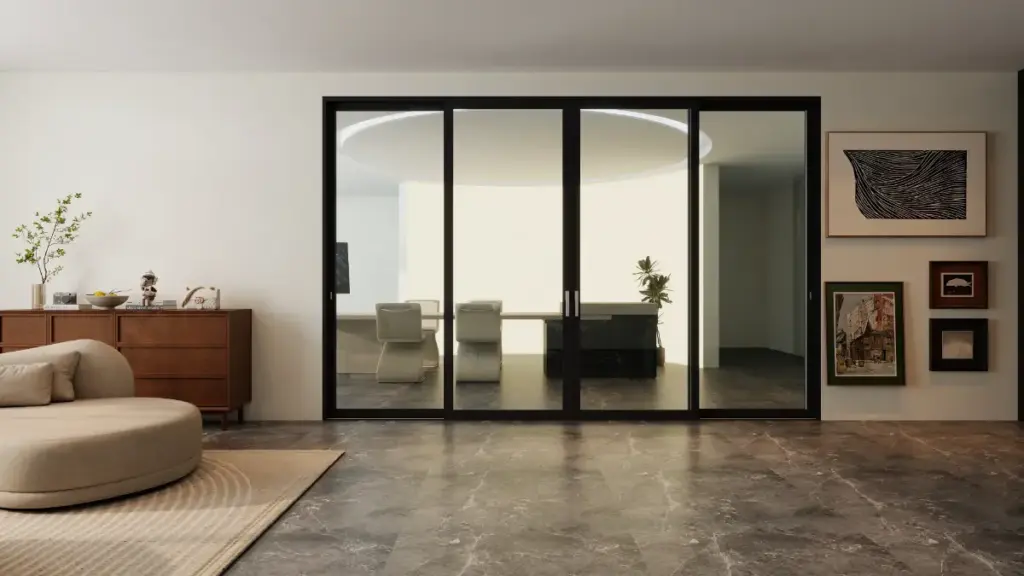
Для подъема и установки стеклянных панелей требуется специальное оборудование, предназначенное для точной обработки тяжелых грузов., обеспечение безопасности и соответствие отраслевым стандартам, таким как DIN EN 13155. Основное используемое оборудование включает в себя:
- Вакуумные манипуляторы для стекла: Эти обработчики, как SPYDERWEB GL-CC 1000 или Powr-Grip MRTA811LDC3, используйте всасывание для безопасного подъема и перемещения стеклянных панелей. Они идеально подходят для перемещения стеклопакетов. (Стал бы) на гладком, воздухонепроницаемые поверхности, предотвращение повреждения панели во время манипуляций и снижение нагрузки на руки.
- Подъемные рамы для крановых систем: Такие рамы, как подъемная рама для стекла Conquip, предназначены для тяжелых стеклянных панелей. (до 2000 кг). Эти рамы интегрируются с системами мостовых кранов с помощью цепных строп., обеспечивает исключительный контроль при выполнении тяжелых подъемных задач.
- Мини-краны: Мини-краны, такие как Brandon 6 Мини-кран для подъема стекла — это универсальные инструменты, обеспечивающие до 24 футов вертикального вылета и 14 фут горизонтального вылета. С многоосным управлением, эти краны идеально подходят для размещения панелей в ограниченном или сложном пространстве..
Возможности производительности и функции безопасности:
- Пределы нагрузки: Оборудование варьируется от 661 от фунтов до более 2000 кг, в зависимости от конфигурации. Многие используют 4-8 присоски (Ø10″ до Ø16″) для оптимального сцепления.
- Движение и контроль: Эти погрузчики обладают расширенными возможностями перемещения., включая наклон (0°-120°), вращение (0°-95°), и поворотный (±40°), обеспечение точного выравнивания.
- Системы безопасности: Двухконтурные вакуумные системы, сигнализация о падении давления, и 5-минутное сохранение вакуума в случае сбоя питания встроены в эти инструменты.. Кроме того, Технология Intelli-Grip® обеспечивает оперативную диагностику в режиме реального времени., обеспечение безопасного и эффективного обращения со стеклом.
Как предотвратить выход из строя системы роликов посредством правильного выравнивания и технического обслуживания?
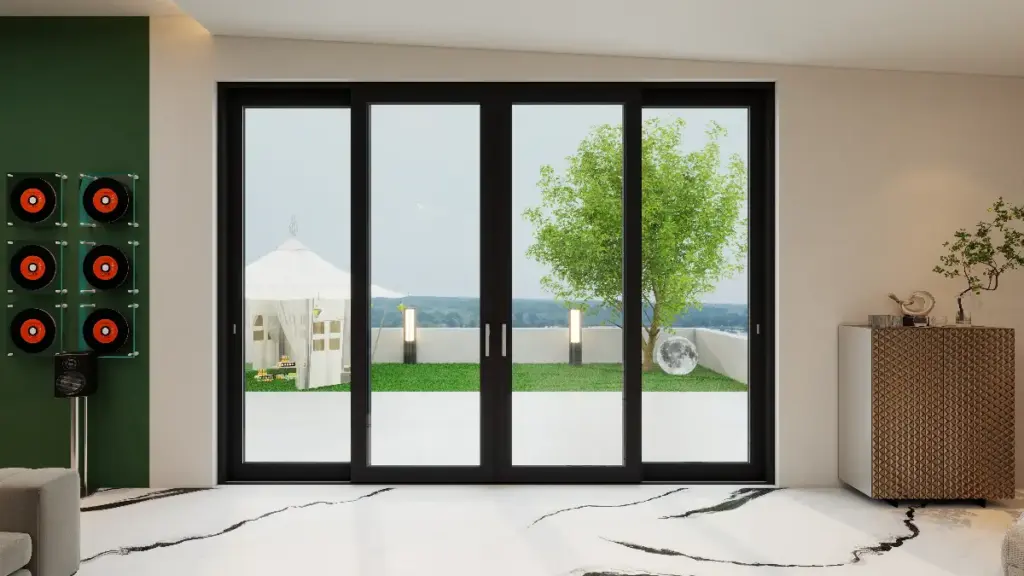
Чтобы предотвратить выход из строя роликовой системы, необходимо регулярное техническое обслуживание., включая уборку, смазка, и проверка соосности. Вот ключевые шаги:
Проверяйте ежегодно: Ежегодно осматривайте и смазывайте ролики и запирающие механизмы., и при необходимости замените уплотнитель. Каждые пять лет, загерметизируйте углы рамы и замените все изношенные компоненты..
Регулярно очищайте: Убедитесь, что треки, ролики, и сливные отверстия свободны от мусора. В прибрежных районах, проводить ежемесячные уборки, поскольку воздействие соли может ускорить коррозию. Для других мест, очищайте каждые шесть месяцев, используя неабразивные методы, такие как пылесос или мягкое мыло..
Смазывайте правильно: Нанесите силиконовый спрей на ролики., треки, и замки для обеспечения бесперебойной работы. Избегайте смазывания алюминиевых гусениц во избежание застревания.. Используйте специальные смазочные материалы, такие как белая литиевая смазка для движущихся частей и графитовая смазка для шпоночных канавок..
Проверьте выравнивание: Правильное выравнивание обеспечивает плавную работу и предотвращает неравномерный износ роликов.. Убедитесь, что дверные панели свободно скользят и что замки плотно прижимают створку к раме..
Каков контрольный список установки в соответствии со стандартами устойчивости к атмосферным воздействиям CE/AAMA??
Соответствовать стандартам устойчивости к атмосферным воздействиям CE/AAMA., выполните следующие ключевые шаги по установке:
- Грубое открытие & Обрамление: Убедитесь, что черновое отверстие расположено вертикально., уровень, и квадратный с соответствующим зазором. Нанесите фартук и герметик вокруг порога, и установите элементы порогов в сплошной слой герметика.
- Крепление & Уплотнение: Использовать 300 Серийный крепеж из нержавеющей стали и алюминия 6063-T5/T6 для устойчивости к коррозии.. Затяните винты рамы не более 16 в дюймах друг от друга и 3 дюймы от углов. Устанавливайте прокладки каждые 16 дюймов на косяках и 24 дюймы на заголовке.
- Утеплитель & Изоляция: Нанесите двойную уплотнительную прокладку на голову., косяки, и между панелями, и одинарный уплотнитель на подоконнике. Используйте минимально расширяющуюся пенопластовую изоляцию и 100% силиконовый герметик для воздухонепроницаемых и водонепроницаемых уплотнений.
- Согласие: Убедитесь, что установка соответствует требованиям AAMA/WDMA/CSA 101/I.S.2/A440. (НАФС-2005) требования к воздуху, вода, и структурные характеристики.
Как устранить распространенные проблемы при установке?
Устранение неполадок при установке включает в себя выявление несовпадений., герметизация зазоров, и вносим точные коррективы. Вот как решить распространенные проблемы:
- Наклеивание панелей: Первый, проверьте, что рама стоит ровно, уровень, и квадратный. Несоосность или неравномерные зазоры часто возникают из-за неправильной установки прокладок.. Осмотрите подоконники на наличие мусора, что может привести к резкому движению.
- Утечки: Проверьте расстояние между креплениями (12 в дюймах друг от друга на косяках, 3 дюймы от углов) и искать незагерметизированные проходки. Убедитесь, что подоконники имеют непрерывный валик герметика толщиной 3/8 дюйма., и заголовки правильно перекрывают оклад косяка.
- Регулировочные решения: Если панели приклеились, отрегулируйте вентиляционные панели с помощью роликовых регуляторов, чтобы выровнять их по раме. Переустановите узлы роликов, чтобы обеспечить плавную работу., и убедитесь, что колеса напольного крепления правильно зацеплены..
- Применение герметика: Убедитесь, что все уплотнения соответствуют требованиям AAMA. 802.3-16 и ААМА 803.3-16 стандарты долговечности и адгезии.
Заключительные мысли
Установка крупнопролетных алюминиевых раздвижных дверей требует точности., от крепления к основанию и улучшенного выравнивания до строгой воздухо- и водонепроницаемости. Соблюдение лучших практик обеспечивает структурную целостность, производительность, и долговечность. Следуя этим рекомендациям, установщики могут соответствовать строгим стандартам, таким как CE/AAMA, обеспечение бесперебойной работы и долгосрочной ценности.
В Опуо, мы предлагаем более 13 многолетний опыт в сфере высокопроизводительных алюминиевые двери, обеспечение долговечности, энергоэффективные решения. Откройте для себя наши индивидуальные решения сегодня и усовершенствуйте свои проекты с помощью ведущих в отрасли дверных систем Opuomen..
Часто задаваемые вопросы
Какой герметик лучше всего использовать вокруг наружных алюминиевых дверных коробок в холодную погоду??
Для наружных алюминиевых дверных коробок в холодную погоду., используйте силиконовые герметики нейтрального отверждения, соответствующие классу ASTM C-920. 35 (НАПРИМЕР., Усовершенствованный силикон 2 или эквиваленты DOWSIL). Они должны иметь рабочую температуру до -60°F. (-51°С) и применять при температуре выше 32°F (0°С) для стандартного лечения, или минимум 65°F для 30-минутной готовности к дождю.. Избегайте нанесения на поверхность при температуре ниже 6°C в соответствии со спецификациями Girafe.. Эти герметики обычно обеспечивают подвижность швов ±35%. (АСТМ С719).
Как отрегулировать вертикальное выравнивание многостворчатой раздвижной двери после установки?
Вертикальное выравнивание многопанельных раздвижных дверей регулируется с помощью прокладок или опорных роликов после установки..
Каковы протоколы безопасности при установке стеклянных панелей весом более 150 кг?
Протоколы безопасности для стеклянных панелей, превышающие 150 кг включают механический подъем с коэффициентом запаса прочности ≥5:1 и такелаж группы в соответствии со стандартами ANSI/ITSDF B30.9..
Можно ли разрезать или модифицировать алюминиевый профиль на месте без потери заводской гарантии??
Алюминиевые профили (например, сплав 6063-T5/T6) нельзя разрезать или модифицировать на месте без потери заводской гарантии, в соответствии со стандартной практикой экструзии и политикой производителя.