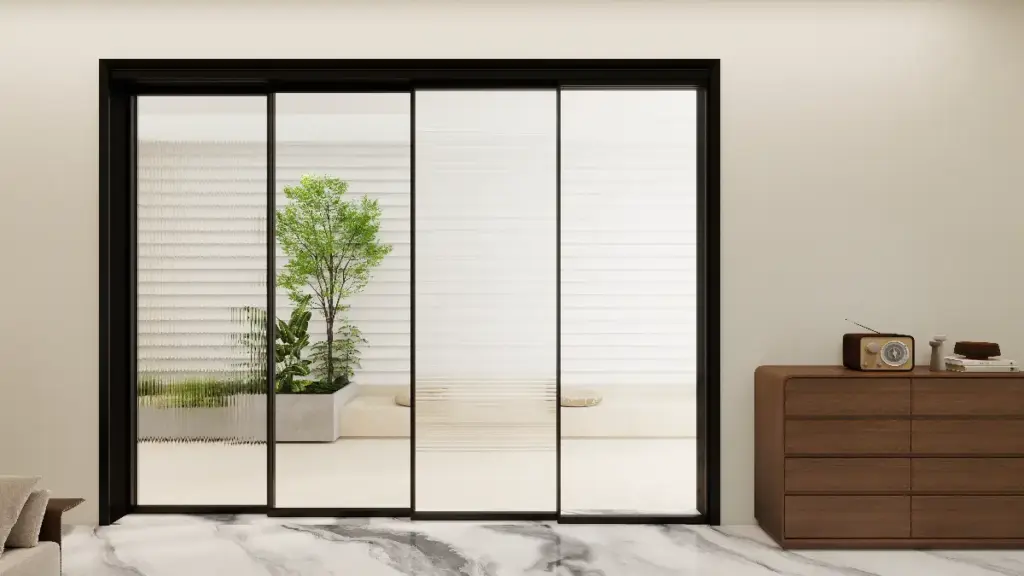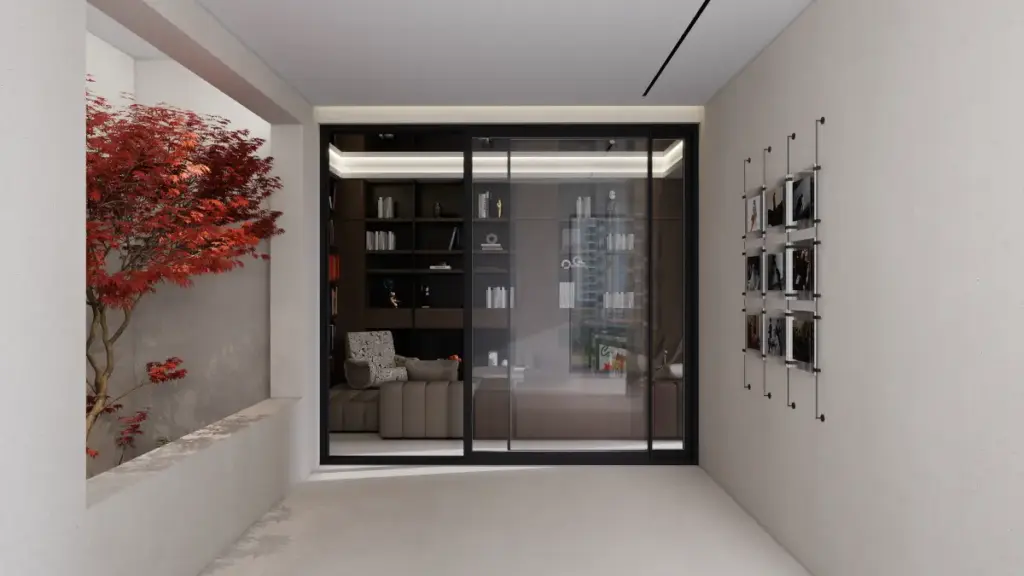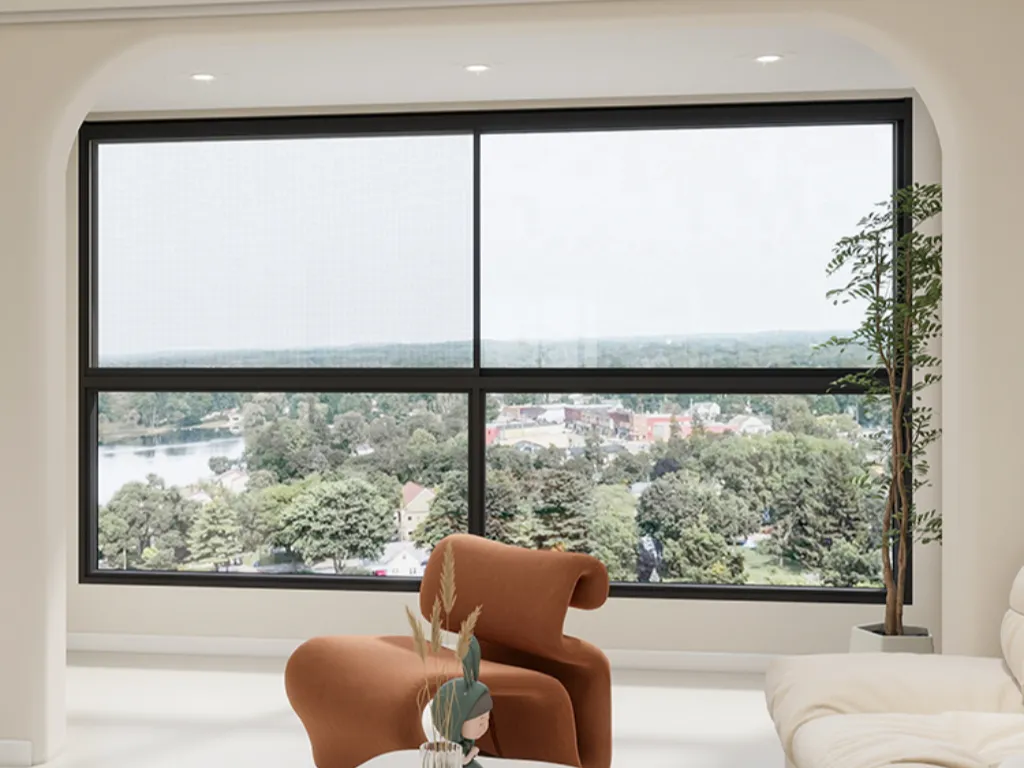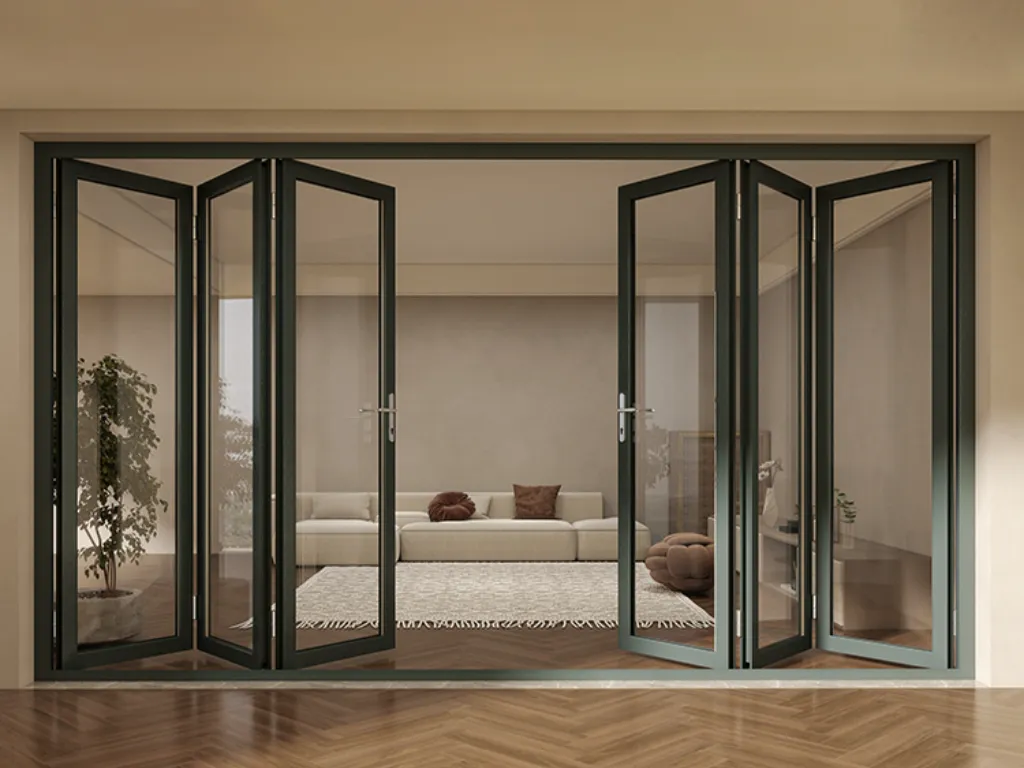
من المباني التجارية إلى المنازل السكنية, يمكن أن يؤثر اختيار السُمك المثالي على كل شيء بدءًا من المتانة وحتى كفاءة الطاقة. سواء كنت مقاولا, مهندس معماري, أو صاحب المنزل, سيساعدك فهم خيارات السُمك المختلفة على اتخاذ الخيار الأفضل لمشروعك.
في هذه المقالة, سوف نتعمق في العوامل التي تؤثر على سمك الباب, خيارات سمك المشتركة, وكيفية اختيار المناسب لاحتياجاتك.
كيفية تحديد سمك أبواب الألومنيوم?
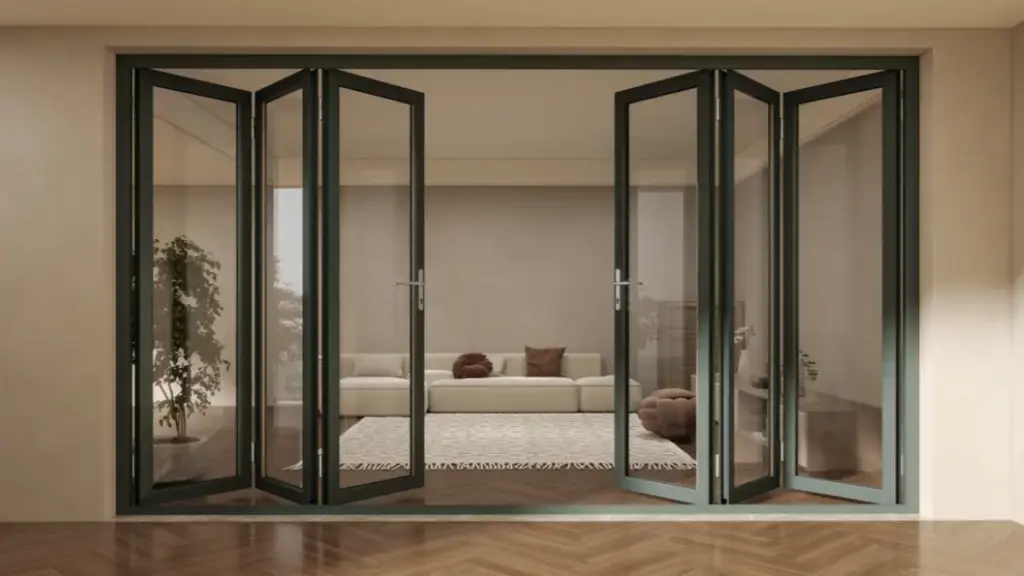
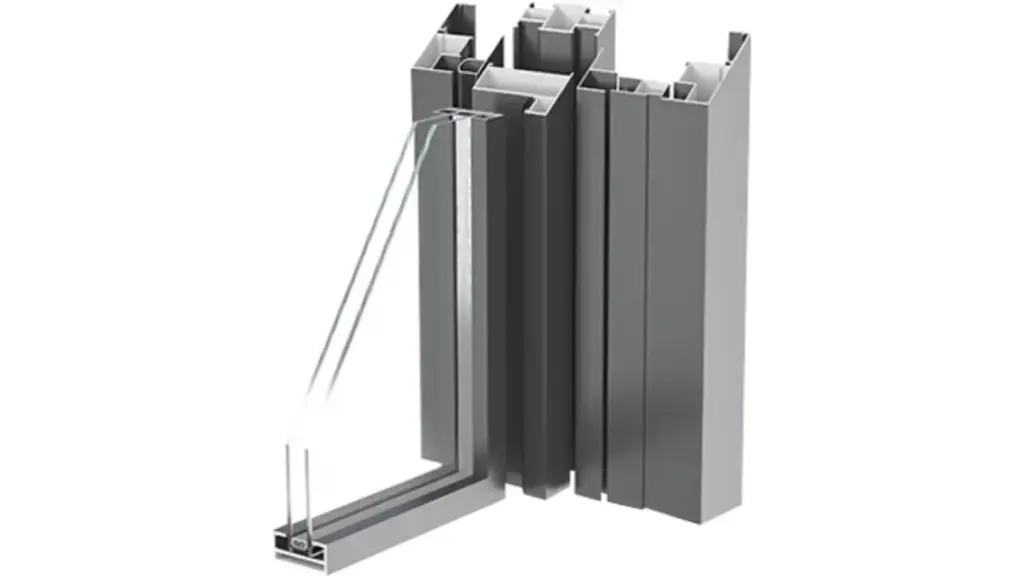
في صناعة تصنيع الأبواب, عندما نشير إلى “سمك الباب,” نحن نتحدث عادة عن سمك لوحة الباب (بواسطة ورقة), ليس الإطار. يتم تحديد سمك لوحة الباب بواسطة مقياس المادة المستخدمة, مثل الألومنيوم, ويؤثر بشكل مباشر على قوة الباب, العزل, والمتانة.
سمك المادة مقابل. سمك الباب الكلي
- سمك المادة (سمك لوحة الباب): والذي يشير إلى سمك مادة اللوحة الفعلية للباب. يشير هذا إلى السُمك الفعلي للألمنيوم نفسه, تتراوح عادة من 1.4 ملم إلى 6 ملم. المواد السميكة توفر المزيد من القوة, عزل أفضل, ومقاومة أعلى للتآكل.
- سمك الباب الكلي: يشمل السماكة الإجمالية إطار الباب والمكونات الهيكلية الأخرى للباب. اعتمادا على نوع الباب, يمكن أن يتراوح السماكة الإجمالية من 30 مم إلى 50 مم. غالبًا ما يتم تحديد سمك الإطار حسب الاستخدام والوظيفة المقصودة للباب.
تأثير أنواع الأبواب على السماكة
يتأثر سمك باب الألمنيوم بشكل كبير بنوع الباب المستخدم:
- أبواب قابلة للطي: تتميز هذه الأبواب خفيفة الوزن عادةً بإطارات أنحف, تتراوح بين 30 ملم إلى 40 ملم, وهي مناسبة للتطبيقات السكنية أو التجارية الخفيفة.
- أبواب الدخول: لمزيد من الأمان والعزل, غالبًا ما تحتوي أبواب الدخول على إطارات تتراوح بين 40 مم إلى 50 مم, ضمان مقاومة أفضل ضد الطقس والاقتحام.
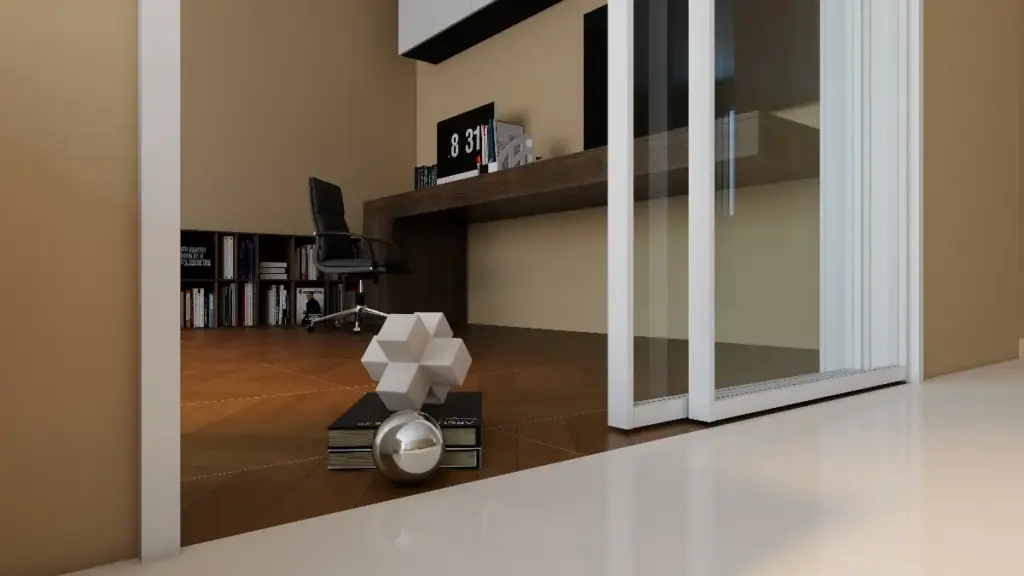
- الأبواب المنزلق: الأبواب المنزلق, مصممة للاستخدام المتكرر, استخدم أيضًا إطارات أكثر سمكًا (40ملم إلى 50 ملم) لدعم آلية الانزلاق وضمان التشغيل السلس.
- أبواب متأرجحة: مثل أبواب الدخول, تتطلب الأبواب المتأرجحة إطارات قوية (40ملم إلى 50 ملم) لتوفير الدعم للاستخدام اليومي والحفاظ على الاستقرار على المدى الطويل.
الآن بعد أن قمنا بتغطية أساسيات سمك الباب, دعونا نركز على سمك المادة في القسم التالي ونرى كيف تؤثر السماكات المختلفة على أداء الباب عبر التطبيقات المختلفة.
سماكة أبواب الألمنيوم الشائعة وتطبيقاتها
أبواب الألمنيوم تأتي بسماكات مختلفة, تم تصميم كل منها لتلبية احتياجات محددة. هنا, نحن نحلل خيارات السُمك المختلفة, بما في ذلك تلك المستخدمة في سلسلة الأبواب المتخصصة, وكيف تناسب البيئات المختلفة.
1.4مم – 2.0 مم (واجب خفيف)
يُستخدم النطاق من 1.4 مم إلى 2.0 مم عادةً في التطبيقات الداخلية وذات حركة المرور المنخفضة. توفر هذه الأبواب توازنًا في القدرة على تحمل التكاليف, الجاذبية الجمالية, والأداء المعتدل. في حين أنها ليست مثالية لاحتياجات الأمان العالية, إنها تخدم بشكل جيد في المناطق التي يتم فيها إعطاء الأولوية للوظيفة والتصميم على المتانة القصوى.
منتج مميز: 18 باب متأرجح ضيق للغاية
- سماكة: الإطار الرئيسي 1.4 ملم, إطار الباب 2.0 ملم
- زجاج: 5مم + 15أ + 5مم
- طلب: مطبخ, الحمامات, ومساحات أصغر
- تصميم: يتميز باب Opuomen المتأرجح بإطار ضيق للغاية وبسيط, مظهر أنيق. تصميم الإطار النحيف يمنح الباب مظهرًا أنيقًا, يشعر المعاصرة, مما يجعلها مثالية للديكورات الداخلية الحديثة. يوفر سمك الإطار 2.0 مم أداءً قويًا للاستخدام اليومي في الأماكن السكنية أو التجارية الخفيفة.
- المساحات الداخلية مثل المطابخ, الحمامات, وأقسام المكاتب
- التطبيقات التي يكون فيها الأداء الجمالي والخفيف من العوامل الرئيسية
توفر هذه الأبواب مظهرًا ملفتًا للنظر, تصميم حديث مع متانة معتدلة. في حين أنها مناسبة للبيئات السكنية والتجارية ذات الاستخدام الخفيف, قد لا تكون مثالية للمواقع ذات حركة المرور العالية أو الأمان العالي.
2.0مم – 2.5 مم (واجب متوسط)
توفر الأبواب في نطاق 2.0 مم إلى 2.5 مم زيادة في القوة والأمان مقارنةً بالطرز الأخف من 1.4 مم إلى 2.0 مم. هذه الأبواب مناسبة للمناطق ذات حركة المرور المعتدلة, توفير توازن جيد للتكلفة, متانة, والعزل.
الأفضل ل:
- مساحات مكتبية, بيئات البيع بالتجزئة, أو الفنادق
- المناطق التي تتطلب مستوى معينًا من الأمان والمتانة المحسنة, ولكن ليس للاستخدام عالي الأمان
توفر هذه الأبواب عزلًا أفضل للصوت ومقاومة معتدلة للعوامل الجوية. إنها مناسبة للمناطق التي يكون فيها الأمان ضروريًا ولكنها لن تتحمل ثقل الاستخدام الصناعي.
4.0مم – 5.0 مم (واجب ثقيل)
للمساحات التجارية ذات الحركة المرورية العالية أو التطبيقات السكنية التي تتطلب قوة وعزلًا فائقين, تعتبر أبواب الألمنيوم مقاس 4.0 مم إلى 5.0 مم هي الخيار الأمثل. تم تصميم هذه الأبواب للتعامل مع التآكل الكبير وتوفير حماية معززة ضد الظروف الجوية والدخول القسري.
الأفضل ل:
- المباني التجارية, مثل متاجر البيع بالتجزئة, المستودعات, أو المستشفيات
- المناطق ذات الحركة المرورية العالية التي تتطلب عزلًا وأمانًا قويًا.
النظر في الأداء:
هذه الأبواب أقوى بكثير وأكثر متانة, مما يجعلها مثالية للبيئات المعرضة لظروف قاسية أو الاستخدام المكثف. كما أنها توفر عزلًا حراريًا أفضل, المساعدة على تقليل تكاليف الطاقة في المناطق الحساسة لدرجة الحرارة.
6.0ملم فما فوق (الواجب الصناعي)
تعتبر الأبواب التي يبلغ سمكها 6.0 ملم وما فوق مثالية للبيئات الأكثر تطلبًا. تم تصميم هذه الأبواب الصناعية لتحمل الظروف القاسية, تقديم أقصى قدر من الأمن, قوة, وإمكانيات عزل الصوت.
الأفضل ل:
- التطبيقات الصناعية والأمنية العالية, مثل المصانع, المطارات, أو المنشآت العسكرية
- المناطق التي تتطلب أقصى قدر من العزل, عازل للصوت, ومقاومة التأثير.
النظر في الأداء:
توفر هذه الأبواب متانة ممتازة, حماية, وكفاءة الطاقة. مع خصائص عازلة للصوت وعزل فائقة, فهي مثالية للبيئات الصناعية أو الآمنة للغاية.
تأثير السماكة على أداء أبواب الألمنيوم
يؤثر سمك باب الألمنيوم بشكل مباشر على أدائه بعدة طرق:
القوة والمتانة
أبواب الألمنيوم السميكة هي بطبيعتها أقوى وأكثر متانة. إنهم مجهزون بشكل أفضل للتعامل مع البلى, بما في ذلك التأثيرات, سحجات, والعناصر. وهذا يجعلها مثالية للمناطق التي تعاني من حركة مرور عالية أو حيث يتم نقل الأشياء الثقيلة بانتظام.
حماية
غالبًا ما يكون الأمان هو الأولوية القصوى للعديد من تركيبات الأبواب. يوفر الألومنيوم السميك مقاومة فائقة ضد الدخول القسري. على سبيل المثال, يصعب اقتحام باب الألمنيوم بسمك 5 مم مقارنة بباب بسمك 2 مم, مما يجعله الخيار الأفضل للتطبيقات التجارية أو السكنية الآمنة.
كفاءة الطاقة
يلعب السماكة أيضًا دورًا مهمًا في كفاءة الطاقة. تتمتع الأبواب السميكة بخصائص عزل أفضل, والتي يمكن أن تساعد في تنظيم درجات الحرارة في الأماكن المغلقة. وهذا مهم بشكل خاص للمباني الواقعة في المناطق ذات الظروف الجوية القاسية. على سبيل المثال, سيساعد الباب الأكثر سمكًا في الحفاظ على برودة الجزء الداخلي خلال فصل الصيف الحار ودافئًا خلال فصل الشتاء البارد.
عزل الصوت
تعتبر الأبواب السميكة أكثر فعالية في حجب الضوضاء الخارجية. وهذا مهم بشكل خاص في البيئات التي يكون فيها عزل الصوت أولوية, مثل المكاتب, الفنادق, والمستشفيات. - باب ألمنيوم 5 ملم, على سبيل المثال, سوف يقلل بشكل كبير من انتقال الصوت مقارنة بباب 2 مم.
اعتبارات التكلفة: أكثر سمكًا هو الأفضل دائمًا للأبواب المصنوعة من الألومنيوم?
هل الباب أكثر سمكًا هو الأفضل دائمًا? ليس بالضرورة. بينما توفر أبواب الألمنيوم السميكة أمانًا معززًا, العزل, والمتانة, أنها تأتي بتكلفة أعلى. ما يجب عليك فعله هو تقييم احتياجاتك.
- متى تختار أبواب أرق: إذا كنت تقوم بتثبيت الأبواب في مناطق مثل المساحات الداخلية حيث لا يكون العزل والأمن بالغ الأهمية, أبواب أرق (2ملم إلى 3 ملم) كافية. على سبيل المثال, يمكن أن تكون الأبواب أو الأقسام الداخلية في المنازل السكنية أو المساحات المكتبية التي لا تحتاج إلى عزل شديد فعالة من حيث التكلفة دون المساس بالأداء.
- عندما تستحق الأبواب السميكة الاستثمار: لأبواب الدخول أو الأبواب في المناطق ذات الظروف الجوية القاسية, اختيار باب أكثر سمكا (4ملم إلى 5 ملم) يوفر عزلًا وأمانًا أفضل. بينما يكلف أكثر مقدما, الفوائد من حيث المتانة والأداء يمكن أن تبرر التكلفة, وخاصة بالنسبة للمناطق ذات حركة المرور العالية أو الأمنية المشددة.
في Opuomen, نحن نقدم حلولاً مخصصة لمساعدتك في اختيار سُمك الباب المناسب وفقًا لاحتياجاتك وميزانيتك, مع خبير الدعم الفني لإرشادك خلال عملية اتخاذ القرار.
اختيار سُمك باب الألومنيوم المناسب لمناخك
المناخات الباردة: في المناطق ذات الشتاء القاسي, باب أكثر سمكا (4ملم إلى 5 ملم) يوفر عزلًا أفضل, مما يساعد على الاحتفاظ بالحرارة وتقليل استهلاك الطاقة خلال الأشهر الباردة.
المناخات الحارة: للمناطق ذات درجات الحرارة المرتفعة, يساعد الباب مقاس 4 مم إلى 5 مم أيضًا في الحفاظ على الحرارة خارجًا, تحسين الراحة الداخلية وتقليل الحاجة إلى تكييف الهواء.
المناخات المعتدلة: في مناخات أكثر اعتدالا, عادةً ما يكون الباب بسمك 2 مم إلى 3 مم كافيًا, لأن متطلبات العزل أقل. لا تزال هذه الأبواب تقدم أداءً جيدًا لمعظم الاحتياجات التجارية السكنية والخفيفة.
كيفية قياس سمك أبواب الألومنيوم
يتضمن قياس سمك باب الألمنيوم تحديد سمك إطار الباب وسمك المادة (لوحة الألومنيوم نفسها). فيما يلي دليل خطوة بخطوة لمساعدتك في قياس السُمك بدقة:
اجمع الأدوات المناسبة
ستحتاج إلى الفرجار أو المسطرة لإجراء قياسات دقيقة. ويفضل الفرجار لدقته, ولكن يمكن أن تعمل المسطرة أيضًا إذا لم يكن لديك فرجار.
قياس سمك إطار الباب
ابدأ بقياس سمك الإطار. ضع أداة القياس على الحافة الخارجية للإطار. قياس من جانب إلى آخر, التأكد من أنك تقوم بقياس السماكة الكاملة لمادة الإطار. عادة, يتراوح سمك إطارات الأبواب بين 30 مم و50 مم, حسب نوع الباب.
قياس سمك المادة (لوحة الباب)
التالي, قم بقياس سمك المادة لباب الألمنيوم نفسه. هذا هو سمك ورقة الألومنيوم التي تشكل قلب الباب, وليس الإطار بأكمله. للقيام بذلك:
- ركز على المنطقة التي تتعرض فيها لوحة الألومنيوم.
- استخدم الفرجار لقياس سمك الألومنيوم عند حافة الباب أو قلبه.
- يتراوح سمك المادة عادةً من 1.4 مم إلى 6 مم, اعتمادًا على تصميم الباب والغرض منه.
الاختيار الصحيح: تخصيص سمك باب الألومنيوم
سواء كنت بحاجة إلى باب خفيف الوزن مقاس 1.5 مم للاستخدام الداخلي أو باب قوي مقاس 6 مم لتطبيقات الأمان العالي, تقدم العديد من الشركات المصنعة حلولاً قابلة للتخصيص لتلبية احتياجاتك الخاصة.
في Opuo, نحن نقدم إرشادات الخبراء لمساعدتك في تحديد سمك الباب الأمثل لمشروعك. يمكن لفريقنا مساعدتك في فهم فوائد خيارات السُمك المختلفة وكيفية توافقها مع ظروفك المحددة, ضمان اتخاذ قرار مستنير.
إذا كنت على استعداد لترقية الممتلكات الخاصة بك بأبواب الألمنيوم المثالية, تواصل معنا للحصول على مشورة الخبراء و حل مخصص مصممة خصيصا لمتطلباتك.