Quand il s’agit de projets de rénovation domiciliaire, peu de décisions ont un impact plus important sur la fonctionnalité, esthétique, et l'efficacité énergétique que de choisir les bonnes tailles de fenêtres. Que vous rénoviez une salle de bain, embellir votre salon, ou construire une annexe, Comprendre les dimensions standard des fenêtres est essentiel pour éviter des erreurs coûteuses et garantir une installation transparente.. En tant que fabricant de portes et fenêtres de confiance, OPUOMEN a aidé des milliers de propriétaires à naviguer dans les sélections de tailles de fenêtres, et ce guide distille notre expertise du secteur en informations exploitables pour votre prochain projet..
Pourquoi les tailles de fenêtres standard sont importantes pour l'amélioration de l'habitat: Considérations clés
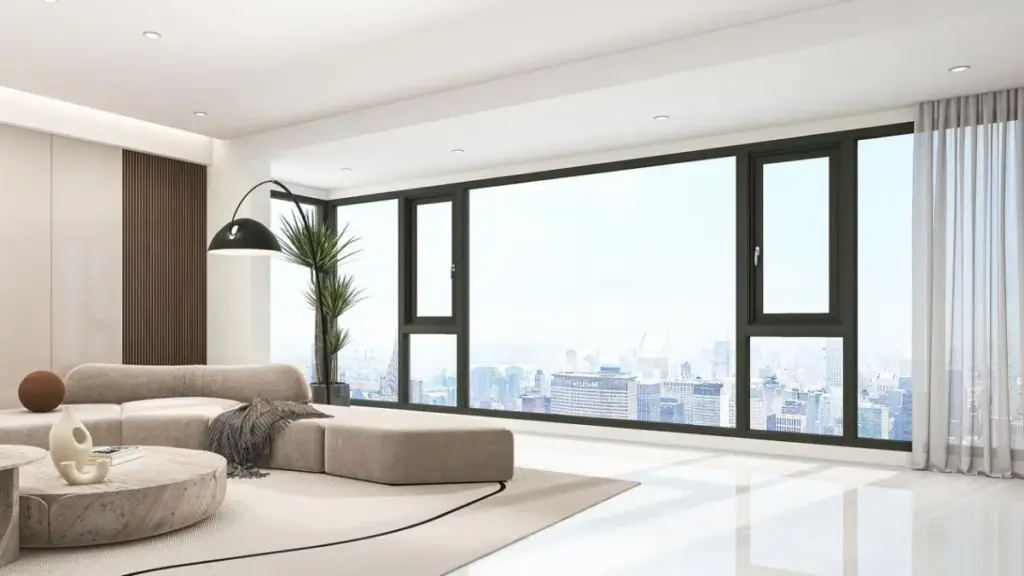
Les tailles de fenêtre standard ne sont pas arbitraires : elles sont conçues pour s'aligner sur l'espacement commun des montants muraux., matériaux de construction, et les besoins des propriétaires. Ignorer ces normes peut entraîner des dépenses inutiles: les fenêtres sur mesure coûtent souvent 30-50% plus que des options standards, et les unités mal ajustées compromettent l'isolation, entraînant des factures d’énergie plus élevées. Pour les propriétaires travaillant avec un budget serré, OPUOMEN recommande de privilégier les dimensions standards, car notre ligne de production est optimisée pour ces tailles, nous permettant de répercuter les économies de coûts sur les clients sans sacrifier la qualité.
Au-delà du coût, les dimensions standard assurent la compatibilité avec les structures existantes. La plupart des murs résidentiels sont encadrés de poteaux espacés 16 ou 24 pouces l'un de l'autre, et les fenêtres standard sont conçues pour s'adapter à ces ouvertures sans modifications majeures. Cela accélère non seulement l'installation, mais réduit également le risque de dommages structurels.. En plus, les fenêtres standard conservent mieux leur valeur si vous décidez de vendre votre maison, les acheteurs potentiels apprécieront que les remplacements ou les réparations puissent être effectués facilement avec des produits disponibles dans le commerce.
Types de fenêtres résidentielles & Leurs dimensions standard moyennes (2025 Mis à jour)
Comprendre les dimensions standard des types de fenêtres courants est la base de l'amélioration de la maison intelligente.. Vous trouverez ci-dessous les styles les plus populaires et leurs gammes de tailles typiques, basé sur OPUOMEN 2025 catalogue de produits et références du secteur:
- Fenêtres à double halte: Le style de fenêtre résidentielle le plus courant, idéal pour les chambres et les salons. Les largeurs standards vont de 24 à 48 pouces, avec des hauteurs entre 36 et 72 pouces. Le modèle à guillotine double le plus vendu d'OPUOMEN est disponible en 36×48-taille en pouces, qui équilibre la lumière naturelle et l’efficacité de l’espace.
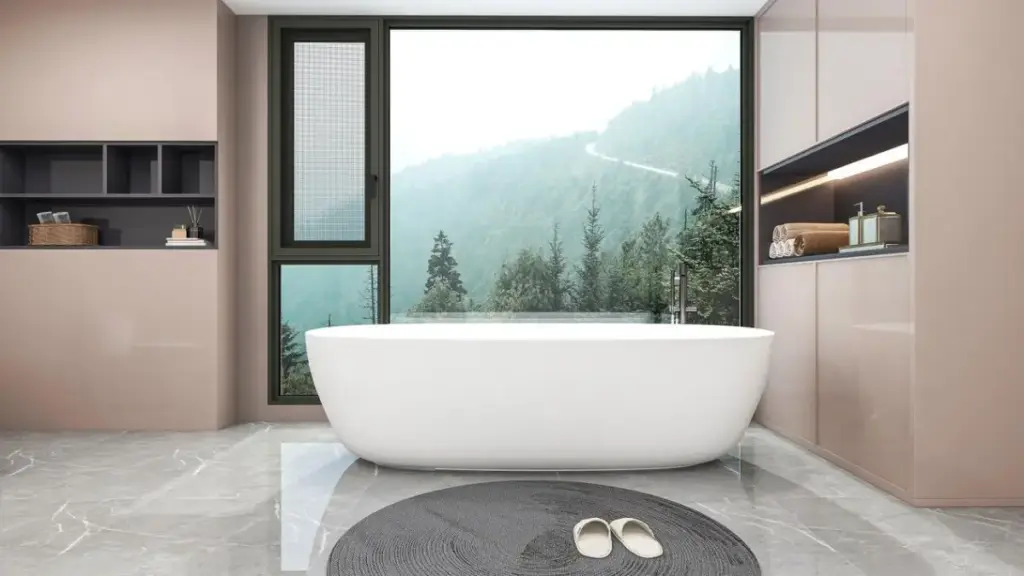
- Windows à battements: Articulé sur le côté, ces fenêtres offrent une ventilation maximale. Les largeurs standards sont 18-36 pouces, et les hauteurs sont 24-60 pouces. Pour cuisines ou salles de bains, OPUOMEN recommande les différents types de fenêtres à battants, qui s'adapte parfaitement au-dessus des comptoirs.
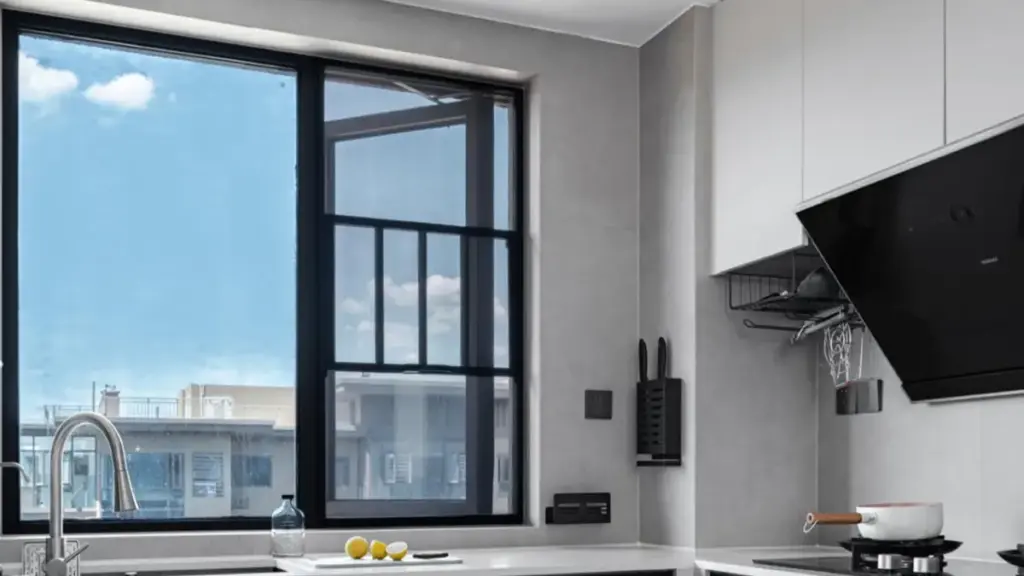
- Fenêtres coulissantes: Parfait pour les sous-sols ou les pièces avec un espace mural limité. Les tailles standard incluent 36×24, 48×36, et 60×48 pouces. Fenêtre coulissante OPUOMEN la ligne comprend des chenilles renforcées pour plus de durabilité, avec le 48×36-L'option en pouces est le meilleur choix pour les rénovations domiciliaires.
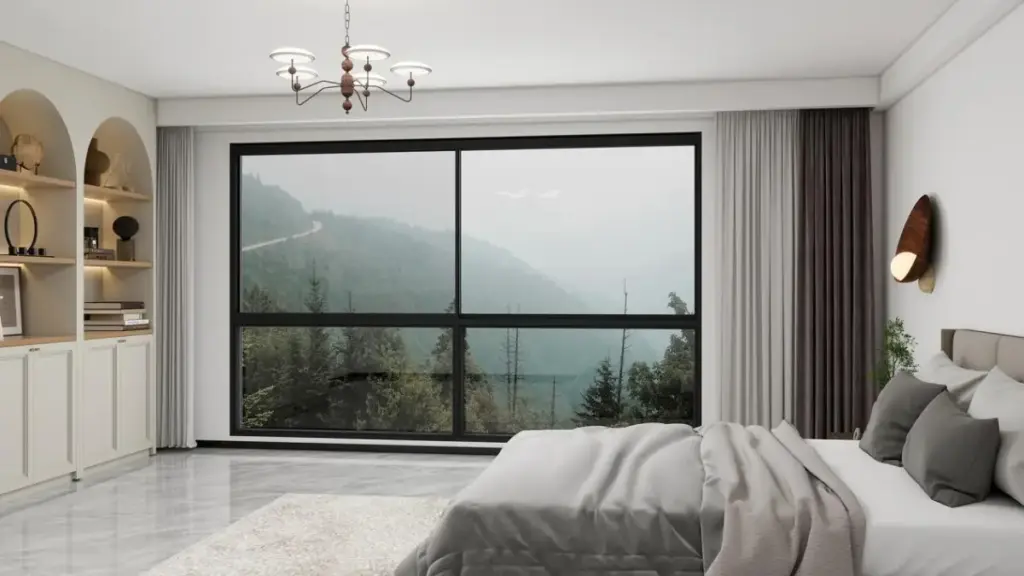
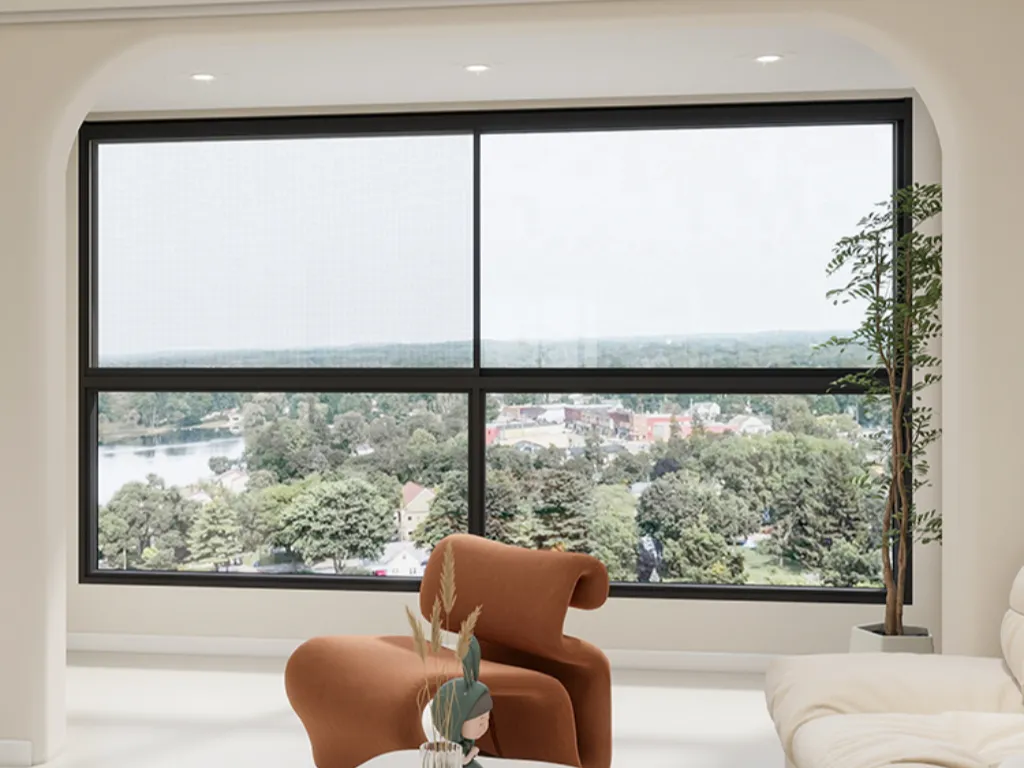
- Fenêtres fixes: Fenêtres non ouvrantes conçues pour la lumière et l'esthétique. Les dimensions standards vont de 24×24 à 72×48 pouces. La collection de fenêtres fixes d'OPUOMEN comprend un 36×60-modèle en pouces qui est populaire pour les murs d’accent du salon.
- Auvent: Articulé en haut, ils sont parfaits pour les climats pluvieux. Les largeurs standards sont 20-36 pouces, hauteurs 24-48 pouces. Le 24×30-la taille en pouces d'OPUOMEN est un favori pour les rénovations de salle de bain, car il permet la ventilation tout en préservant l'intimité.
Toutes les fenêtres OPUOMEN respectent les normes ANSI/WDMA, garantissant un dimensionnement cohérent dans toutes les gammes de produits et une compatibilité avec la plupart des projets de rénovation domiciliaire.
Comment mesurer avec précision la taille des fenêtres: Guide étape par étape pour les propriétaires
Des mesures précises ne sont pas négociables : même un écart de 1/4 de pouce peut rendre une fenêtre inutilisable. Suivez ce processus étape par étape, recommandé par les experts en installation d’OPUOMEN:
- Rassembler des outils: Utilisez un ruban à mesurer en acier (plus précis que le tissu), un crayon, et du papier. Évitez de mesurer avec une règle pour les grandes ouvertures.
- Mesurer la largeur: Mesurez l'intérieur du cadre de la fenêtre en haut, milieu, et en bas. Enregistrez le plus petit nombre : cela tient compte des éventuelles irrégularités du cadre..
- Mesurer la hauteur: De la même manière, mesurer la hauteur à gauche, centre, et côtés droits. Encore, utiliser la plus petite mesure.
- Vérifier la profondeur: Mesurez la profondeur de l'ouverture de la fenêtre pour vous assurer que la nouvelle fenêtre s'adaptera. Standard depths are 3 1/2 à 4 9/16 inches for residential homes.
- Note Rough Opening: If replacing an old window, remove the sash and measure the rough opening (entre les poteaux) for reference. OPUOMEN provides rough opening guidelines for all standard sizes to simplify ordering.
Pour un conseil: If you’re unsure about measurements, OPUOMEN offers free virtual or in-person consultation services. Our technicians can verify your measurements and recommend the perfect size for your space.
Key Factors Influencing Window Size Selection for Home Renovation Projects
Choosing the right window size goes beyond matching standard dimensions—you must consider your home’s unique needs. Here are the critical factors OPUOMEN advises homeowners to evaluate:
- Fonction de la pièce: Bathrooms require smaller windows (Par exemple, 20×24 pouces) for privacy, while living rooms benefit from larger sizes (36×60 pouces) to maximize natural light.
- Espace mural: Évitez les fenêtres qui chevauchent les prises électriques, interrupteurs d'éclairage, ou poutres structurelles. L'équipe de conception d'OPUOMEN peut vous aider à déterminer le placement optimal.
- Efficacité énergétique: Les fenêtres plus grandes laissent entrer plus de lumière mais peuvent augmenter les pertes de chaleur. Pour les climats froids, OPUOMEN recommande de combiner les tailles standard avec du verre à faible émissivité et des cadres isolés pour maintenir l'efficacité.
- Climat local: Les zones venteuses peuvent nécessiter, des fenêtres plus robustes pour résister aux dommages. Fenêtres résistantes aux ouragans d'OPUOMEN, disponible en tailles standard comme 30×48 pouces, sont conçus pour les régions à vent fort.
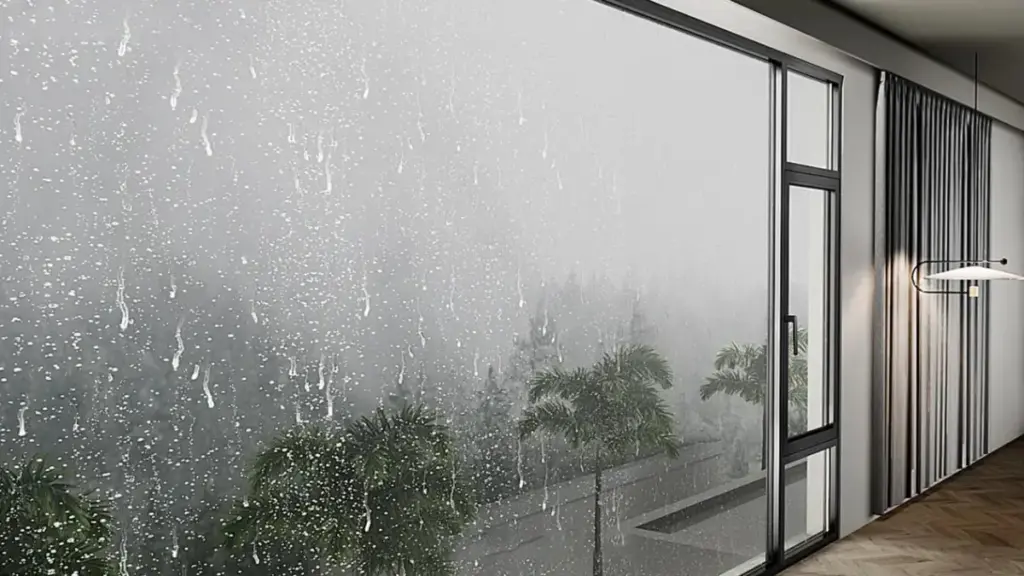
- Placement des meubles: Assurez-vous que les fenêtres sont dimensionnées de manière à ne pas entrer en conflit avec les canapés, lits, ou des armoires. Un 28×42-fenêtre de pouce au-dessus d'un évier de cuisine, Par exemple, n'interférera pas avec l'espace sur le comptoir.
Erreurs courantes dans le choix de la taille des fenêtres & Comment les éviter
Même les propriétaires expérimentés font des erreurs lors du choix de la taille des fenêtres.. Voici les erreurs les plus fréquentes rencontrées par OPUOMEN, et comment les éviter:
- Ignorer la taille d'ouverture approximative: De nombreux propriétaires mesurent la fenêtre existante au lieu de l'ouverture brute.. Cela conduit à commander une unité trop petite. Mesurez toujours l’ouverture entre les montants.
- Surplomber les codes du bâtiment: Les chambres nécessitent des fenêtres suffisamment grandes pour une sortie de secours (généralement 20×24 pouces minimum). L'équipe commerciale d'OPUOMEN vérifie la conformité du code pour chaque commande afin d'éviter ce problème.
- Choisir la taille plutôt que la fonction: Un 72×84-la fenêtre en pouces peut sembler impressionnante, mais cela pourrait donner l'impression qu'une petite chambre est à l'étroit. Optez pour des tailles qui complètent la superficie de la pièce.
- Oublier les habillages de fenêtres: Les grandes fenêtres peuvent nécessiter des rideaux personnalisés, ajouter à votre budget. OPUOMEN recommande de prendre en compte les coûts de traitement des fenêtres lors de la sélection des tailles.
- Ne pas tenir compte de l'installation: Les fenêtres de taille inhabituelle peuvent nécessiter une main-d'œuvre spécialisée. Respectez les tailles standard pour garantir que votre installateur dispose des outils et de l'expertise nécessaires..
Faire correspondre les tailles de fenêtres aux styles de maison: Des rénovations traditionnelles aux rénovations modernes

La taille des fenêtres doit s’aligner sur le style architectural de votre maison pour conserver son attrait extérieur. OPUOMEN propose des recommandations personnalisées pour les styles populaires:
- Maisons traditionnelles: Les styles coloniaux ou victoriens prospèrent avec des fenêtres symétriques à guillotine double. Tailles standards comme 30×48 les pouces fonctionnent bien pour les premiers étages, tandis que 24×36 Les pouces conviennent au deuxième étage.
- Maisons modernes: Les conceptions minimalistes bénéficient d'un grand, fenêtres dégagées. OPUOMEN 48×72-fenêtres fixes en pouces ou 60×60-les fenêtres coulissantes en pouces créent un espace élégant, look contemporain.
- Maisons d’artisans: Windows à battements avec des lumières divisées sont un choix classique. Tailles standards de 24×36 les pouces avec des motifs de grille complètent l'esthétique artisanale du style.
- Maisons de ranch: Les fenêtres coulissantes horizontales s'adaptent au profil surbaissé. OPUOMEN a 60 ans×36-les fenêtres coulissantes de 1,5 cm fournissent suffisamment de lumière sans surcharger la maison.
Codes du bâtiment & Normes de sécurité pour les tailles de fenêtres: Conseils de conformité
Le respect des codes du bâtiment est essentiel pour la sécurité et la valeur de revente. Voici les normes clés OPUOMEN aide les propriétaires à s'y retrouver:
- Exigences de sortie: Les chambres doivent avoir au moins une fenêtre avec une ouverture dégagée 5.7 pieds carrés (30×36 pouces minimum). Les fenêtres conformes aux sorties d'OPUOMEN répondent à cette norme.
- Verre sécurit: Windows à l'intérieur 18 pouces du sol ou près des portes nécessitent du verre trempé. Toutes les fenêtres OPUOMEN de tailles standard incluent du verre trempé là où le code l'exige.
- Cotes de charge de vent: Les zones côtières nécessitent des fenêtres adaptées aux vitesses de vent élevées. Fenêtres anti-ouragan OPUOMEN, disponible en tailles standards, répondre aux normes ASTM E1886 et E1996.
- Codes de l'énergie: De nombreuses régions exigent des fenêtres avec un facteur U minimum (indice de perte de chaleur). Les fenêtres certifiées ENERGY STAR® d'OPUOMEN dans des tailles standard dépassent ces exigences.
Quand opter pour des tailles de fenêtre personnalisées? Pros, Inconvénients & Alternatives rentables

Alors que les tailles standard sont idéales pour la plupart des projets, les fenêtres personnalisées ont du sens dans certains scénarios. OPUOMEN explique quand envisager la personnalisation et les alternatives:
- Quand personnaliser: Si votre maison a un espacement des montants muraux non standard, architecture historique, ou des besoins de conception uniques, des tailles personnalisées sont nécessaires. OPUOMEN propose des fenêtres personnalisées avec un délai de 2 semaines pour ces cas.
- Avantages des formats personnalisés: Ajustement parfait, flexibilité de conception unique, et la préservation de l'intégrité historique.
- Inconvénients des formats personnalisés: Coût plus élevé (30-50% plus que la norme), des délais plus longs, et options de remplacement limitées.
- Alternatives rentables: Pour ouvertures légèrement hors normes, OPUOMEN recommande d'utiliser des cales ou des garnitures pour adapter les tailles standards. Notre 36×48-fenêtre en pouces, Par exemple, peut convenir à un 37×49-ouverture en pouces avec ajustements mineurs.
Choisir la bonne taille de fenêtre est une étape cruciale dans tout projet de rénovation domiciliaire. En comprenant les dimensions standards, mesurer avec précision, et en tenant compte de facteurs tels que la fonction, style, et codes, vous pouvez sélectionner des fenêtres qui rehaussent la valeur et le confort de votre maison. En tant que fabricant leader de portes et fenêtres, OPUOMEN s'engage à fournir des produits de haute qualité, fenêtres de taille standard qui répondent aux besoins des propriétaires et des entrepreneurs. Que vous rénoviez une seule pièce ou toute votre maison, notre équipe d'experts est là pour vous aider à trouver les tailles de fenêtres parfaites pour votre projet.
Souviens-toi, investir du temps dans la sélection des bonnes tailles maintenant vous fera économiser de l'argent, tracas, et je regrette sur toute la ligne. Pour des conseils plus personnalisés, visitez le site Web d'OPUOMEN ou contactez notre équipe de service client : nous sommes prêts à vous aider avec tous vos besoins en matière de taille de fenêtre et d'amélioration de l'habitat..