Pour les propriétaires, entrepreneurs, et les promoteurs immobiliers, L'équilibre entre qualité et rentabilité est une priorité absolue lors de la réalisation de projets de rénovation ou de construction.. Les fenêtres sont un élément essentiel de tout bâtiment : elles ont un impact sur l'efficacité énergétique, esthétique, et la fonctionnalité globale, mais ils peuvent également représenter une dépense importante s'ils ne sont pas soigneusement planifiés. L'un des moyens les plus efficaces de réduire les coûts sans compromettre les performances consiste à opter pour une taille de fenêtre standard.. En tant que fabricant de portes et fenêtres possédant des années d’expertise dans l’industrie, nous avons pu constater par nous-mêmes comment les dimensions standard de qualité constructeur génèrent des économies tangibles et une valeur à long terme. Dans ce guide, nous expliquerons pourquoi la dimension standard de la fenêtre est un choix judicieux, comment cela réduit les coûts à tous les niveaux, et comment en tirer parti pour votre prochain projet.
Qu'est-ce qu'une taille de fenêtre standard de qualité constructeur? Définitions de base & Plages de dimensions
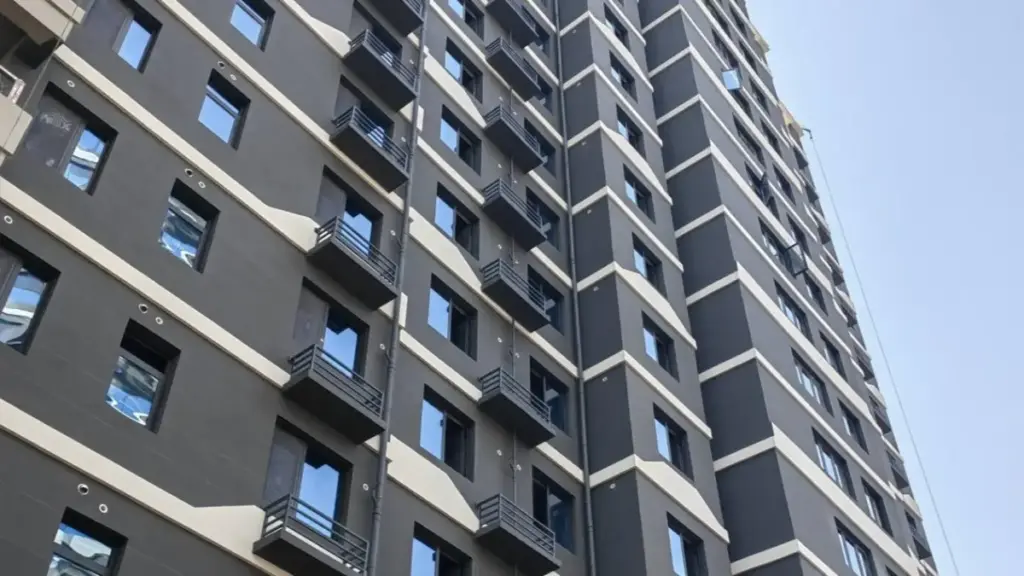
D'abord, clarifions ce qui constitue une taille de fenêtre standard de qualité constructeur. Contrairement aux fenêtres personnalisées, qui sont adaptés à des ouvertures uniques, les dimensions standard de qualité constructeur sont des dimensions préfabriquées qui répondent aux besoins architecturaux les plus courants dans la construction résidentielle et commerciale légère. Ces tailles sont standardisées dans toute l'industrie pour rationaliser la production, distribution, et l'installation, ce qui en fait le choix incontournable pour les constructeurs cherchant à optimiser l'efficacité.
La dimension standard de la fenêtre varie selon type de fenêtre (Par exemple, à guillotine, fenêtre, glissement) mais suit des plages cohérentes. Par exemple, les fenêtres à guillotine – le style résidentiel le plus populaire – ont généralement des largeurs standard comprises entre 24 et 48 pouces et hauteurs entre 36 et 72 pouces. Windows à battements, quelle charnière s'ouvre vers l'extérieur, vont souvent de 18 à 48 pouces de largeur et 24 à 72 pouces de hauteur. La longueur de fenêtre standard (hauteur) pour la plupart des fenêtres de chambre et de salon, se situe entre 48 et 60 pouces, tandis que les espaces plus petits comme les salles de bains peuvent utiliser des largeurs plus étroites (24–30 pouces) et des longueurs plus courtes (36–42 pouces).
Il est important de noter que ces dimensions ne sont pas arbitraires : elles sont conçues pour s'aligner sur l'espacement standard des montants muraux. (16 ou 24 pouces au centre) et tailles d'ouverture brutes courantes. Cet alignement est à la base de leurs avantages en matière d'économies de coûts, car il élimine le besoin de modifications importantes des murs ou d'un encadrement personnalisé.
Comment la taille de fenêtre standard réduit-elle les coûts? Économies directes sur les matériaux & Production
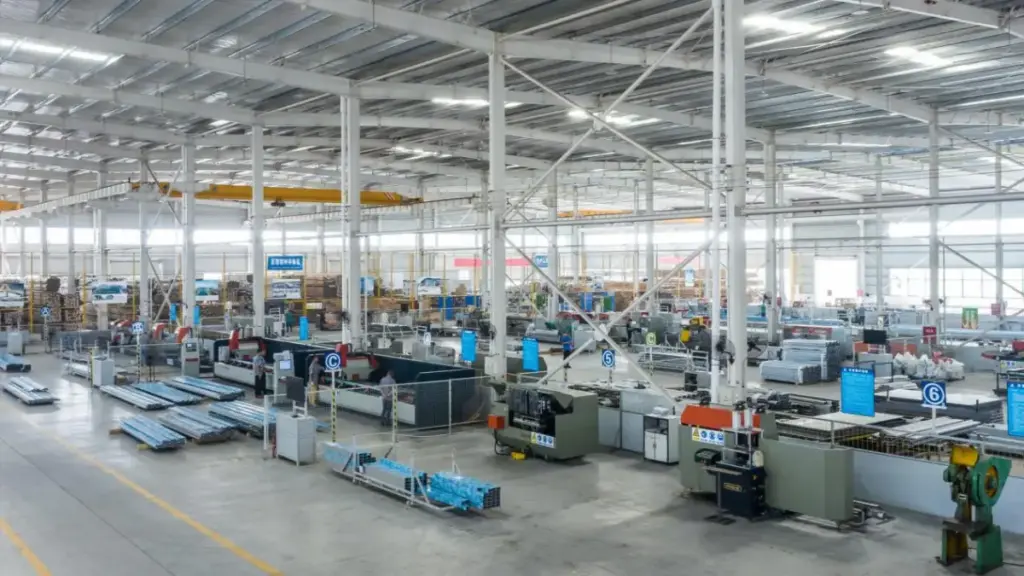
L’avantage financier le plus immédiat du choix d’une taille de fenêtre standard provient de la réduction des dépenses en matériaux et en production.. En tant que fabricant, nous produisons des fenêtres de dimensions standards en vrac, ce qui réduit considérablement les coûts unitaires. Les fenêtres personnalisées nécessitent une découpe spécialisée, matériel unique, et un assemblage sur mesure : chaque étape ajoute du temps et des matériaux au processus de production. Avec des dimensions standards, nous pouvons optimiser nos lignes de production, minimiser les déchets, et répercutons ces économies sur nos clients.
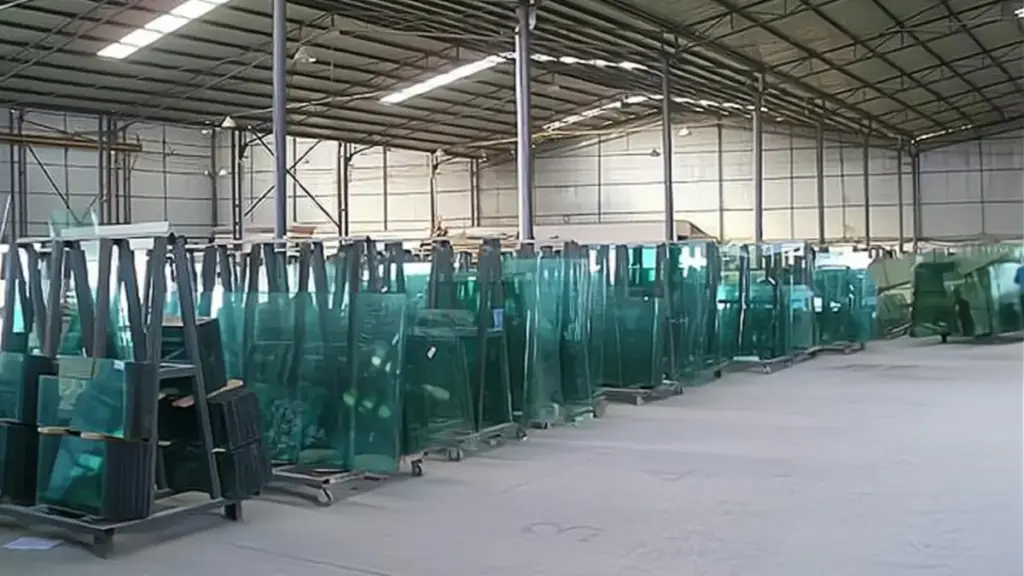
Les matériaux jouent également un rôle clé. La dimension standard de la fenêtre utilise du verre prédécoupé, cadres, et des écharpes facilement disponibles auprès des fournisseurs à moindre coût. Les fenêtres personnalisées nécessitent souvent des dimensions de verre non standard ou des matériaux de cadre spéciaux., qui sont plus chers et ont des délais de livraison plus longs. Par exemple, une fenêtre à guillotine de taille personnalisée peut coûter 30 à 50 % de plus qu'une fenêtre de taille standard comparable en raison de ces inefficacités en matière de matériaux et de production..
En plus, les fenêtres standard tirent parti des économies d'échelle en matière d'emballage et d'expédition. Les expéditions en vrac de fenêtres de taille standard sont plus faciles à empiler, transport, et gérer, réduire les coûts logistiques. Fenêtres personnalisées, par contre, nécessitent souvent un emballage individuel et une manipulation soigneuse pour éviter tout dommage, augmentation des frais d'expédition.
Avantages de la taille de fenêtre standard pour gagner du temps: Installation simplifiée & Frais de main-d'œuvre réduits

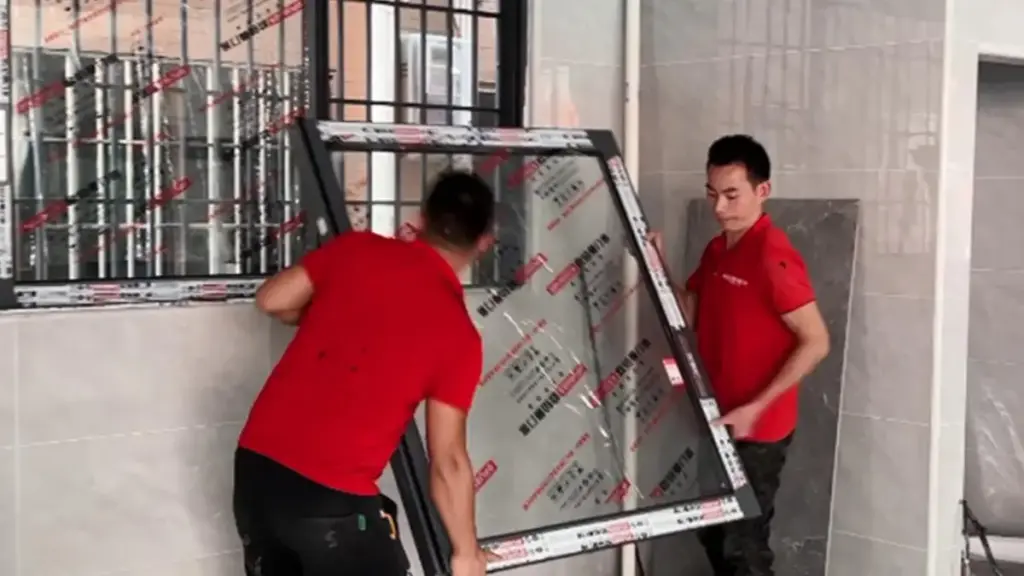
Les coûts de main d’œuvre peuvent rapidement grignoter le budget d’un projet, mais la taille de fenêtre standard minimise le temps d'installation et les frais associés. Les entrepreneurs connaissent très bien les dimensions standards, afin qu'ils puissent terminer les installations plus rapidement et avec moins d'erreurs. Fenêtres personnalisées, d'autre part, nécessitent souvent des ajustements sur site, tels que le redimensionnement des ouvertures brutes ou la modification de la charpente, ce qui ajoute des heures (ou même des jours) au processus d'installation.
L’alignement entre la dimension standard de la fenêtre et les tailles brutes d’ouverture change ici la donne.. Les constructeurs encadrent généralement les ouvertures brutes pour qu'elles correspondent aux dimensions standard pendant la phase de construction., donc l'installation d'une fenêtre standard est un processus simple: enlever l'ancienne fenêtre (si rénovation), placez la nouvelle fenêtre dans l'ouverture, nivelez-le, et sécurisez-le. Cette efficacité réduit les coûts de main-d'œuvre de 20 à 30 % par rapport aux installations de fenêtres personnalisées..
Un temps d'installation réduit signifie également moins de perturbations dans le calendrier du projet. Pour les entrepreneurs, cela se traduit par la capacité d'entreprendre plus de projets, tandis que les propriétaires bénéficient d'un achèvement plus rapide et de moins de retards. Même dans les projets de rénovation, où les ouvertures existantes peuvent nécessiter des ajustements mineurs, les fenêtres standard sont plus faciles à adapter que les fenêtres personnalisées, maîtriser les coûts de main d’œuvre.
Disponibilité & Accessibilité: Pourquoi la taille standard des fenêtres évite les dépenses cachées
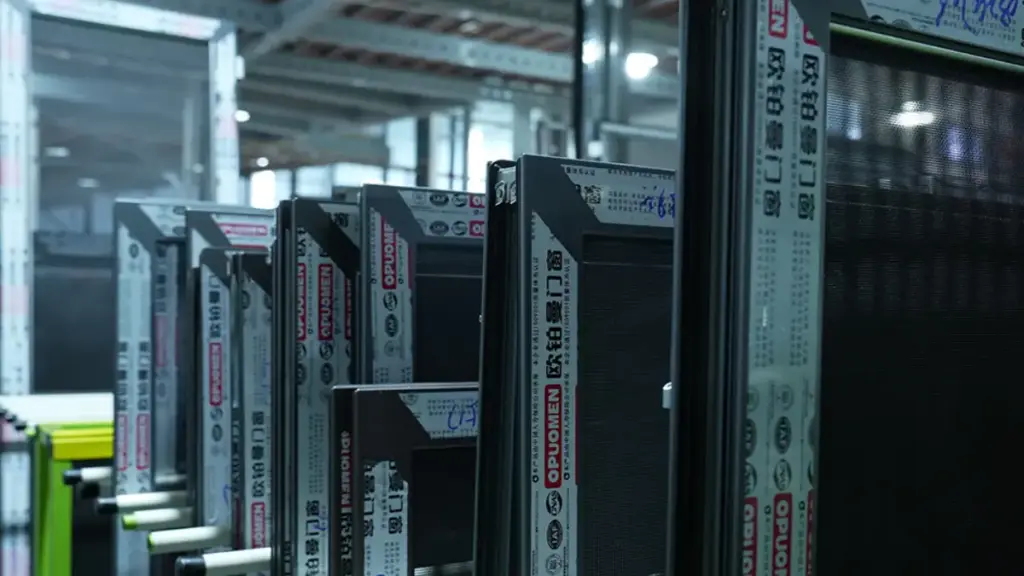
Les dépenses cachées résultent souvent de retards et de pénuries, des problèmes rares avec les fenêtres de taille standard.. Les dimensions standard sont stockées par la plupart des détaillants de fenêtres, distributeurs, et les fabricants, ils sont donc facilement disponibles pour un achat immédiat. Cela élimine les longs délais associés aux fenêtres personnalisées., ce qui peut prendre 4 à 8 semaines (ou plus) produire. Les retards dans la livraison des fenêtres peuvent retarder tout un projet de construction ou de rénovation., entraînant des coûts supplémentaires comme des contrats de travail prolongés, frais de stockage, ou dates d'emménagement manquées.
L’accessibilité compte également dans les situations d’urgence. Si une fenêtre est endommagée par des intempéries ou un accident, une dimension standard de fenêtre peut être trouvée et installée rapidement, prévenir d'autres dommages à la maison (comme l'intrusion d'eau ou la perte d'énergie). Fenêtres personnalisées, par contre, il faudrait attendre la production, rendant la maison vulnérable et augmentant potentiellement les coûts de réparation.
Un autre coût caché évité grâce aux tailles standard est le besoin d'outils ou d'équipements spécialisés.. Les installateurs utilisent des outils standard pour les fenêtres standard, tandis que les fenêtres personnalisées peuvent nécessiter un équipement spécialisé pour gérer des tailles ou des configurations uniques, ce qui augmente les coûts de main-d'œuvre..
Au-delà du coût: Avantages supplémentaires de la taille de fenêtre standard (Compatibilité, Entretien & Valeur de revente)
Même si les économies de coûts constituent un avantage primordial, la taille de fenêtre standard offre des avantages qui vont bien au-delà du résultat net. La compatibilité est un facteur clé: les fenêtres standard fonctionnent parfaitement avec la plupart des parures de fenêtre (stores, rideaux, volets) et matériel (écluses, charnières, écrans). Les fenêtres personnalisées nécessitent souvent des traitements et du matériel sur mesure, qui sont plus chers et plus difficiles à remplacer s'ils sont endommagés.
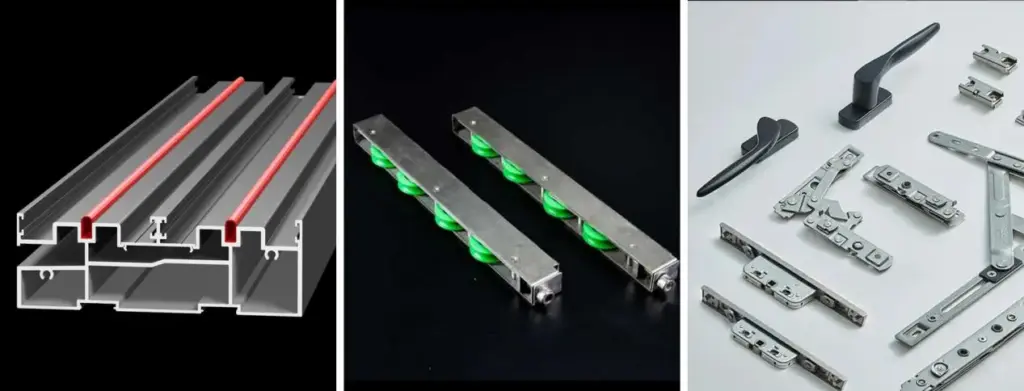
L'entretien est également plus simple avec des dimensions standards. Pièces de rechange, telles que les châssis, vitres, ou du matériel - sont facilement disponibles dans les magasins locaux ou en ligne, rendre les réparations rapides et abordables. Les fenêtres personnalisées peuvent nécessiter la commande de pièces directement auprès du fabricant, ce qui peut être coûteux et prendre du temps.
Peut-être de façon surprenante, la taille standard des fenêtres peut également augmenter la valeur de revente d’une maison. Les acheteurs et évaluateurs potentiels reconnaissent la valeur des fenêtres standard en raison de leurs coûts d'entretien inférieurs et de leur remplaçabilité plus facile.. Fenêtres personnalisées, tout en étant unique, peut être considéré comme un handicap : les acheteurs peuvent s'inquiéter du coût et de la difficulté de les remplacer à l'avenir.. Les maisons dotées de fenêtres standards attirent souvent un plus large éventail d’acheteurs, accroître leur valeur marchande.
Taille de fenêtre standard pour différents types de pièces: Salle de bain, Cuisine & Guides d'économie de chambre à coucher
Choisir la bonne taille de fenêtre standard pour chaque pièce maximise à la fois les économies de coûts et la fonctionnalité. Décomposons les recommandations pour les types de chambres courants:
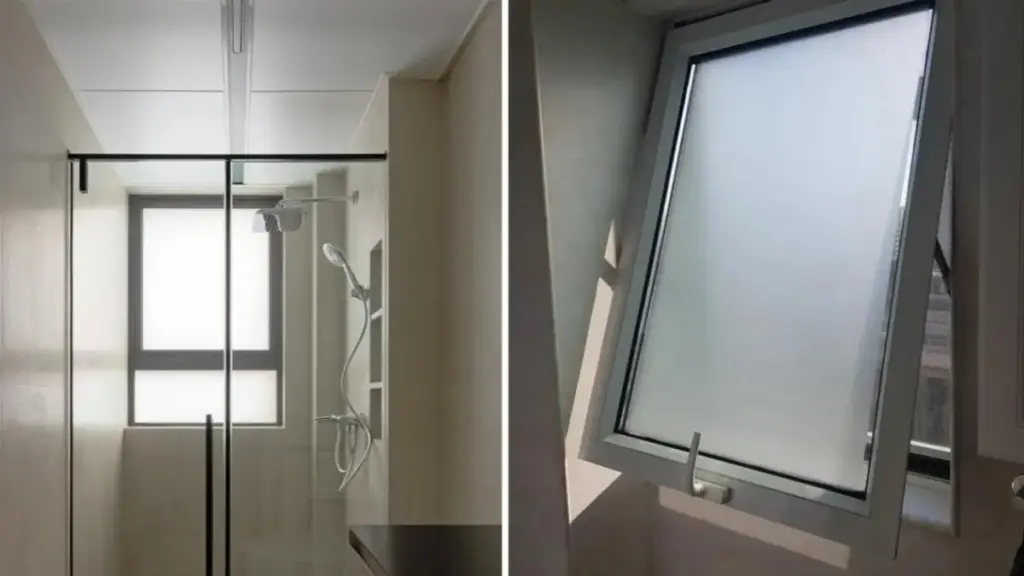
Salles de bains: L'intimité et la résistance à l'humidité sont ici des priorités. Les fenêtres de salle de bain standard sont plus étroites et plus courtes pour préserver l'intimité. Les tailles courantes incluent 24×36 pouces ou 30×36 pouces. Opter pour une dimension standard de fenêtre avec du verre dépoli élimine le besoin de fonctionnalités de confidentialité personnalisées, réduire encore les coûts. Assurez-vous que la fenêtre est conçue pour une humidité élevée afin d'éviter les problèmes d'entretien..
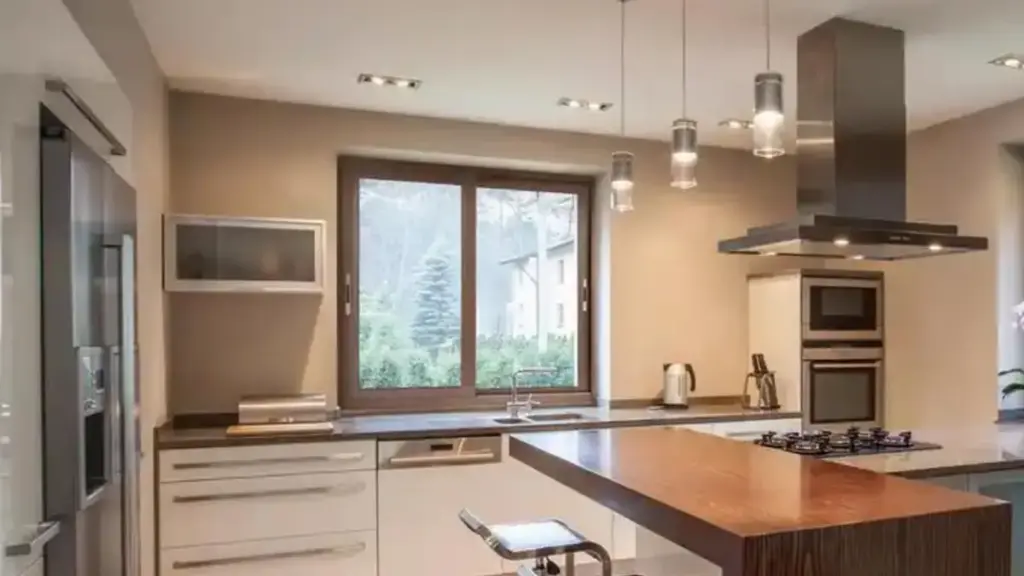
Cuisines: Les fenêtres de cuisine doivent souvent être placées au-dessus des éviers ou des comptoirs, ils nécessitent donc un équilibre entre taille et accessibilité. Tailles standards comme le 36×48 pouces ou 48×60 les pouces fonctionnent bien, fournir de la lumière naturelle sans surcharger l’espace. Les fenêtres coulissantes sont une option standard populaire pour les cuisines, car ils sont faciles à ouvrir et à nettoyer, et leur longueur de fenêtre standard s'aligne sur la plupart des hauteurs de comptoir.
Chambres: Les chambres privilégient la lumière naturelle et la ventilation. Fenêtres à guillotine ou à battant de dimensions standards (36×60 pouces ou 48×60 pouces) sont idéaux. Ces tailles fournissent suffisamment de lumière tout en restant économes en énergie. Pour les chambres plus grandes, jumelage de deux fenêtres standards (Par exemple, deux 36×60-fenêtres en pouces côte à côte) est plus rentable que l’installation d’une fenêtre de taille personnalisée.
Comment mesurer la taille de fenêtre standard: Évitez le gaspillage & Coûts supplémentaires

Une mesure précise est essentielle pour tirer parti de la taille de fenêtre standard : des erreurs peuvent conduire à des fenêtres mal ajustées., matériaux gaspillés, et frais supplémentaires. Suivez ces étapes pour mesurer correctement:
1. Mesurer l'ouverture brute: Pour une nouvelle construction, mesurer la largeur et la hauteur de l'ouverture brute (l'espace entre les poteaux) au plus proche 1/8 pouce. Pour les rénovations, retirez la fenêtre existante et mesurez l'ouverture brute, en veillant à tenir compte de tout dommage ou encadrement inégal.
2. Correspond aux tailles standards: Comparez vos mesures aux dimensions standard communes des plages de fenêtres. Choisissez une taille standard légèrement plus petite que l'ouverture brute (typiquement 1/2 à 3/4 pouce plus petit en largeur et en hauteur) pour permettre le calage et le nivellement lors de l'installation.
3. Considérez le type de fenêtre: Différents types de fenêtres ont des dimensions standard différentes, alors tenez compte du style que vous voulez (à guillotine, fenêtre, etc.) lors de la sélection d'une taille.
4. Consulter un professionnel: Si vous n'êtes pas sûr, Travaillez avec le fabricant ou l'installateur de votre fenêtre pour confirmer la taille de fenêtre standard correcte.. Cela évite des erreurs coûteuses et garantit un ajustement parfait.
Conseils d'experts pour maximiser les économies avec une taille de fenêtre standard: Approvisionnement & Astuces d'installation
En tant que fabricant de fenêtres, nous avons compilé ces conseils d'experts pour vous aider à tirer le meilleur parti des économies réalisées avec une taille de fenêtre standard.:
1. Acheter en gros: Si vous travaillez sur un projet multi-unités ou rénovez plusieurs pièces, acheter des fenêtres standard en gros. Les fabricants offrent souvent des réductions pour les grosses commandes, réduire davantage les coûts unitaires.
2. Optez pour une installation hors saison: Les installateurs proposent souvent des tarifs inférieurs pendant les basses saisons (hiver ou fin de l'automne), car la demande est plus faible. Cela se marie bien avec le temps d'installation rapide des fenêtres standard, maximiser les économies.
3. Optez pour des fenêtres standards économes en énergie: Même si le verre et les cadres économes en énergie peuvent avoir un coût initial légèrement plus élevé, ils réduisent les factures d'énergie à long terme. Recherchez des fenêtres standard certifiées ENERGY STAR pour équilibrer les économies initiales et l'efficacité continue..
4. S'approvisionner directement auprès des fabricants: Contourner les détaillants et acheter directement auprès d'un fabricant élimine les coûts de majoration. De nombreux fabricants proposent des prix compétitifs sur les commandes de fenêtres de taille standard., spécialement pour les entrepreneurs et les promoteurs.
5. Planifiez à l'avance: Commandez des fenêtres standard bien avant l’installation pour éviter les frais urgents. Bien que les fenêtres standards soient facilement disponibles, les commandes de dernière minute peuvent entraîner des frais d'expédition accélérés.
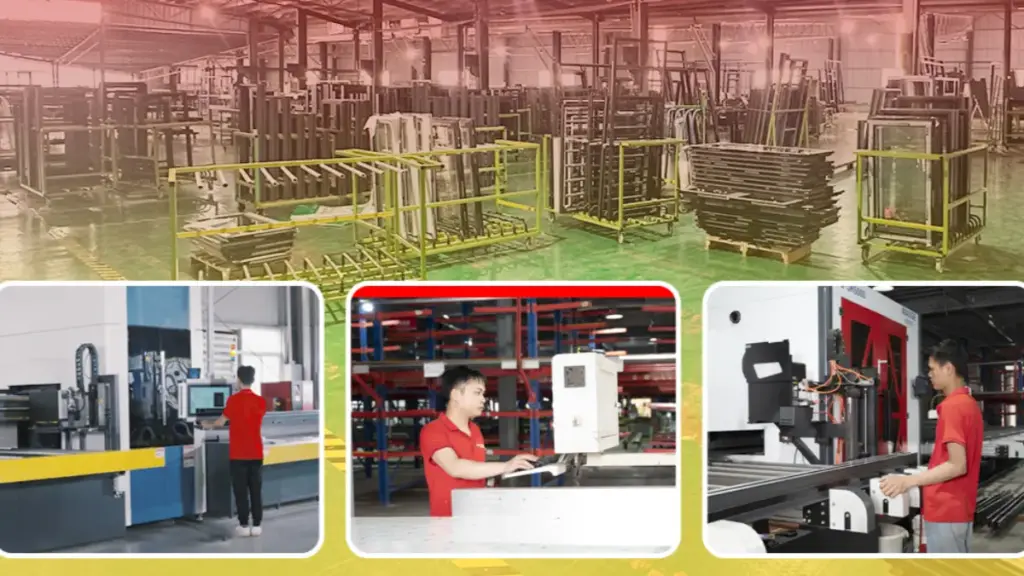
En conclusion, la taille de fenêtre standard est une solution rentable, choix pratique pour tout projet de construction ou de rénovation. Des économies directes sur les matériaux et la main d’œuvre aux avantages à long terme comme un entretien plus facile et une valeur de revente plus élevée, les dimensions standard apportent de la valeur à chaque étape. En choisissant la bonne dimension standard de fenêtre pour chaque pièce, mesurer avec précision, et en suivant les conseils d'experts en matière d'approvisionnement, vous pouvez maximiser les économies sans compromettre la qualité ou la fonctionnalité. En tant que fabricant de portes et fenêtres, nous soutenons la valeur des tailles standard de qualité constructeur : elles constituent une solution éprouvée pour les propriétaires et les entrepreneurs qui cherchent à équilibrer performances et coûts..