When embarking on a home renovation or new construction project, choosing the right windows is a decision that impacts aesthetics, functionality, energy efficiency, and budget. One of the most critical debates in window selection is between standard window sizes and custom options. As a door and window manufacturer with years of industry expertise, we understand that every home has unique needs, and there’s no one-size-fits-all solution. This guide breaks down the key differences, pros, cons, and decision-making factors to help you choose between standard window sizes and custom windows for your project.
Understanding Standard Window Size: Definitions, Common Dimensions & Application Scenarios
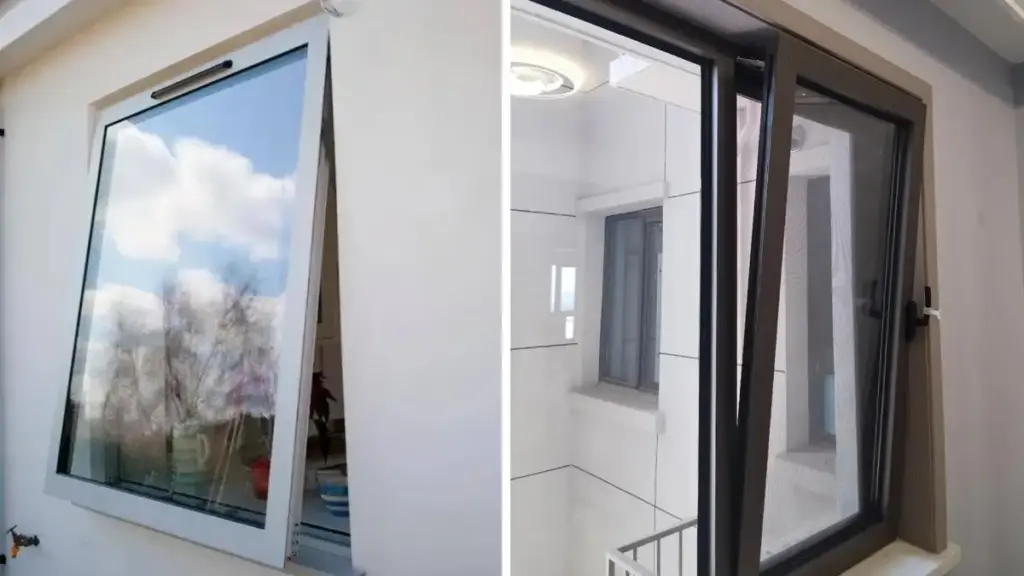
A Standard Window Size refers to pre-manufactured window dimensions that are widely accepted across the construction industry. These sizes are designed to fit common wall openings in residential homes, streamlining production, inventory, and installation processes. For homeowners and contractors, familiarity with standard window dimensions is essential for efficient project planning, as they eliminate the need for custom fabrication and reduce lead times.
Common standard window measurements vary by window type and room function. For example, double-hung windows—one of the most popular residential styles—typically have standard widths ranging from 24 to 48 inches and heights from 36 to 72 inches. Casement windows, which hinge open like doors, often follow similar width ranges but may have taller standard heights for enhanced ventilation. When it comes to specific rooms, standard bedroom window dimensions are usually between 24×36 inches and 36×60 inches, balancing natural light, privacy, and egress requirements (a critical safety feature for emergency exits).
Standard window sizes are ideal for new construction projects built with conventional framing, as well as renovations that maintain existing wall opening dimensions. They are commonly used in tract homes, apartments, and mid-range residential developments where consistency and cost-effectiveness are priorities. For homeowners looking to replace old windows without modifying wall structures, standard sizes are often the most straightforward and affordable choice.
What Is a Custom Window? Key Differences from Standard Window Size
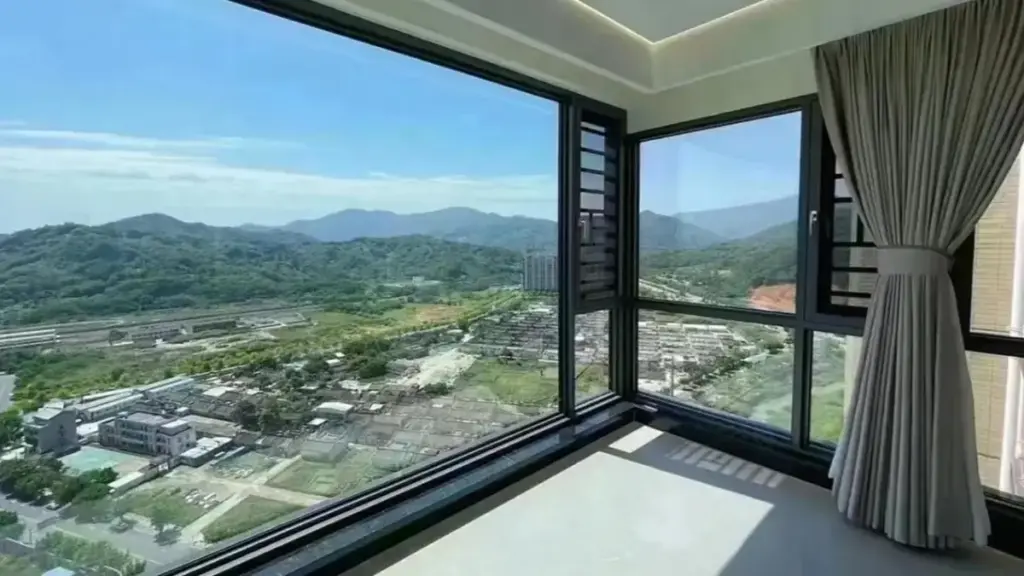
Custom windows are tailor-made to fit unique wall openings, design preferences, or architectural requirements that standard window sizes cannot accommodate. Unlike pre-manufactured standard options, custom windows are crafted to precise measurements, allowing for flexibility in shape, size, material, and style. The core difference between custom windows and Standard Window Size lies in adaptability—custom windows are built around the home’s needs, while standard windows require the home to conform to pre-set dimensions.
Beyond size, custom windows offer greater design versatility. Homeowners can choose non-traditional shapes (arches, circles, hexagons), unusual aspect ratios, or specialized features like divided lites, stained glass, or energy-efficient glazing packages that may not be available in standard configurations. For older homes with irregular wall openings—common in historic properties—or modern homes with unique architectural details, custom windows are often the only way to maintain the home’s character while upgrading performance.
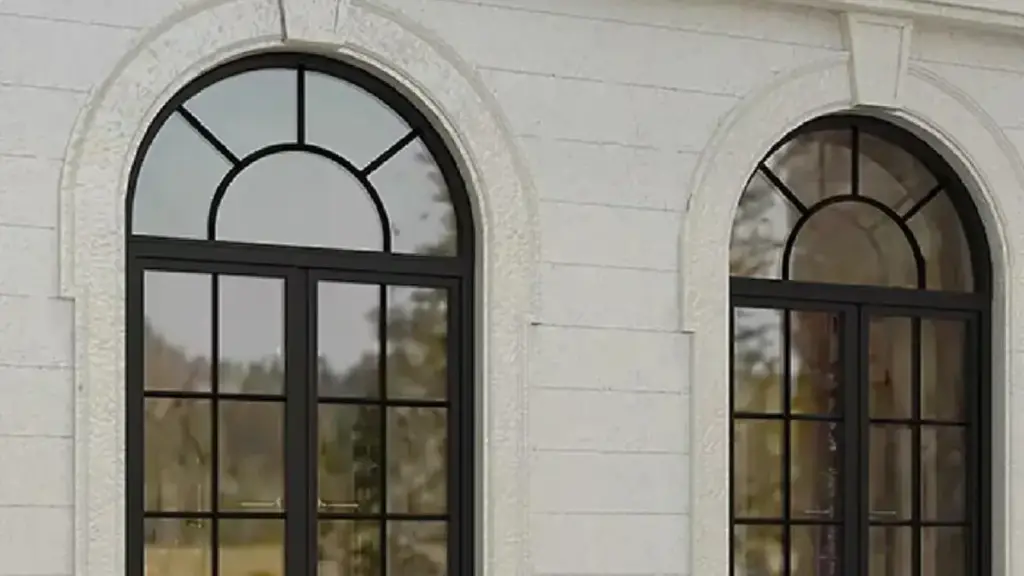
Another key difference is material customization. While standard windows are typically available in limited material options (vinyl, aluminum, or wood), custom windows can be crafted from premium materials like fiberglass, clad wood, or composite materials, tailored to specific climate needs or aesthetic goals. This level of personalization makes custom windows a go-to choice for high-end renovations or custom home builds where uniqueness is a priority.
Pros of Standard Window Size: Cost, Availability & Installation Advantages
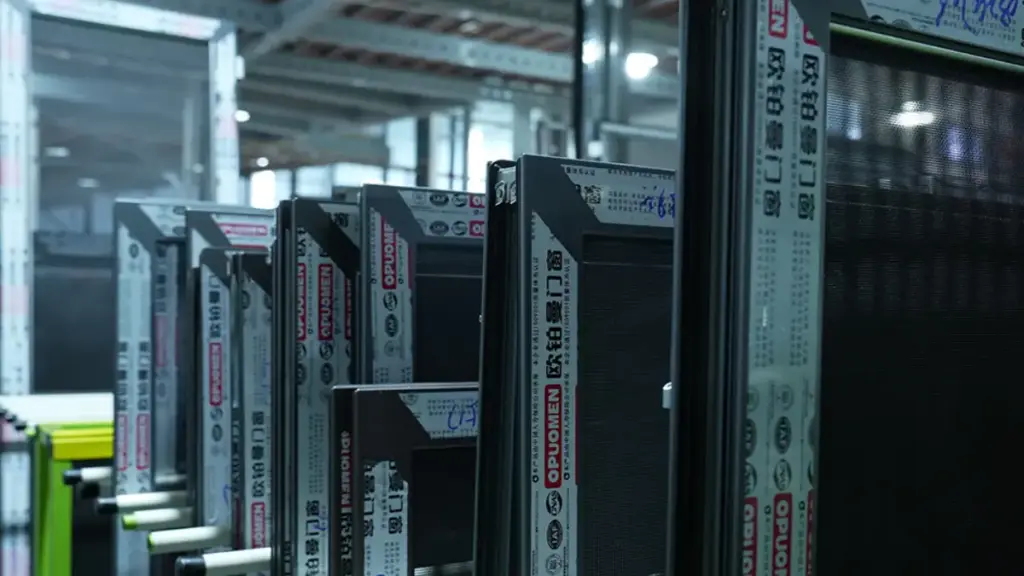
The primary advantage of Standard Window Size is cost-effectiveness. Due to mass production, standard windows have lower manufacturing costs, which translates to lower retail prices for homeowners. As a manufacturer, we produce standard sizes in bulk, reducing material waste and labor costs—savings that are passed on to customers. This makes standard windows an excellent option for budget-conscious projects or homeowners looking to replace multiple windows without overspending.
Availability is another major benefit. Standard windows are stocked by most home improvement stores, lumberyards, and window suppliers, meaning homeowners can get their hands on them quickly—often within days, rather than weeks or months. This rapid availability accelerates project timelines, which is crucial for renovations that need to stay on schedule or for emergency window replacements (e.g., after storm damage).
Installation is simpler and faster with standard window sizes. Contractors are familiar with standard window dimensions and standard window measurements, so they can complete installations efficiently without the need for custom adjustments or additional framing work. This not only reduces labor costs but also minimizes the risk of installation errors, which can lead to air leaks, water infiltration, or reduced energy efficiency. For homeowners working with tight deadlines, the speed and simplicity of standard window installation are invaluable.
Cons of Standard Window Size: Limitations in Design & Compatibility
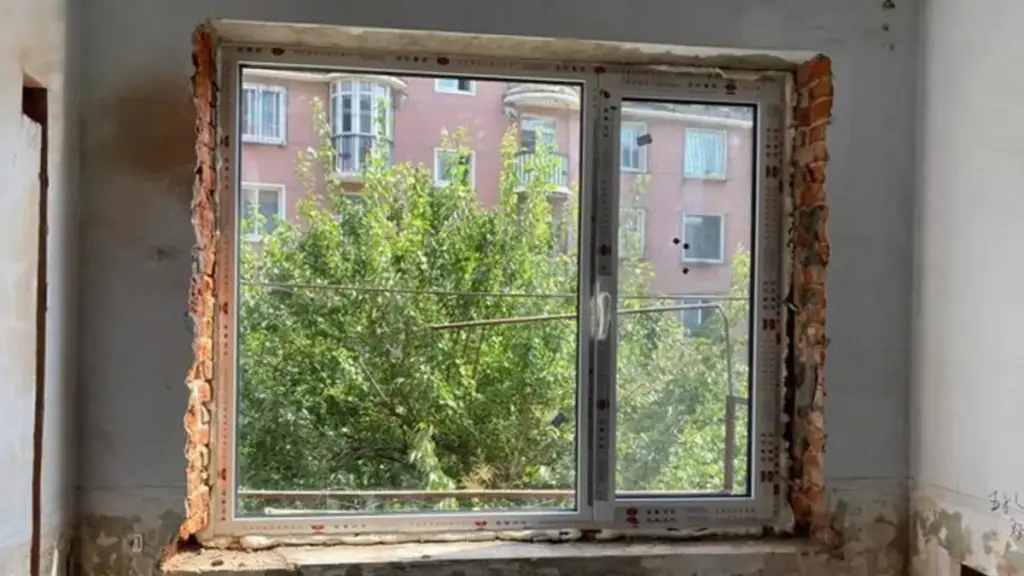
Despite their advantages,Standard Window Size has significant limitations, starting with design inflexibility. Homeowners are restricted to pre-set dimensions and styles, which can be a drawback for homes with unique architectural features or for those looking to create a one-of-a-kind aesthetic. For example, a home with a large, asymmetrical wall opening may require resizing the opening to fit standard windows, which alters the home’s original design and adds construction costs.
Compatibility issues are another concern, especially for older or historic homes. Many older properties have non-standard wall openings due to outdated building practices or previous renovations. For these homes, fitting standard windows often requires extensive framing modifications, which can damage the home’s structural integrity or historic character. Even in newer homes, if the original construction had minor variations in wall opening sizes, standard windows may not fit perfectly, leading to gaps that require additional caulking or insulation—compromising energy efficiency and aesthetics.
Additionally, standard windows may not optimize natural light or ventilation for specific rooms. For example, a small bedroom with limited wall space may benefit from a taller window to maximize light, but standard bedroom window dimensions may not offer this option. Homeowners may also be unable to incorporate specialized features like wide picture windows or custom grid patterns with standard sizes, limiting their ability to tailor the window to the room’s function.
Benefits of Custom Windows: Tailored Fit for Unique Spaces & Design Flexibility
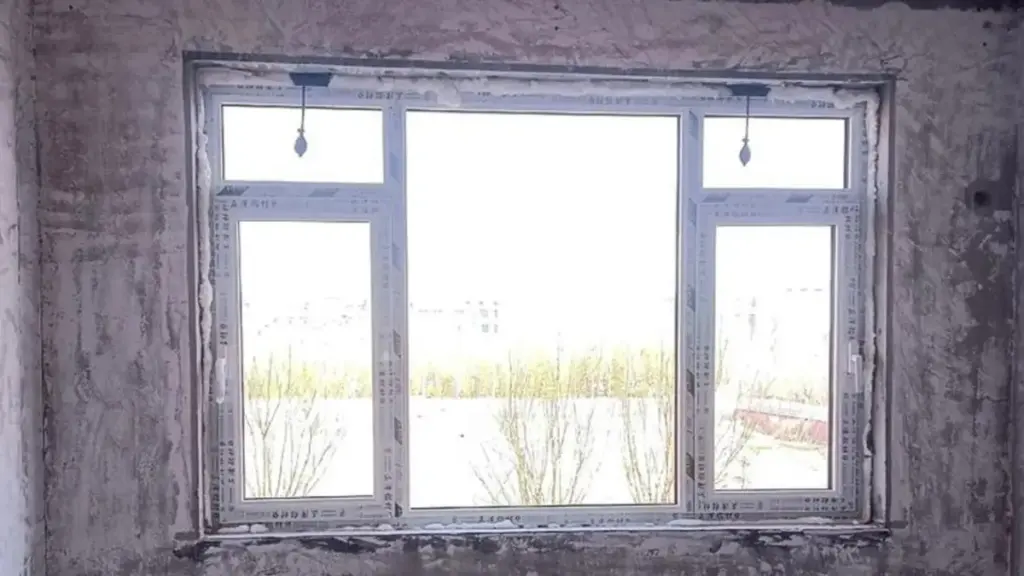
Custom windows shine in scenarios where standard sizes fall short, starting with a perfect tailored fit. For homes with irregular wall openings—whether from historic architecture, custom framing, or structural modifications—custom windows are measured to exact specifications, eliminating gaps and ensuring a seamless installation. This precise fit enhances energy efficiency, as there are no spaces for air to leak in or out, reducing heating and cooling costs year-round.
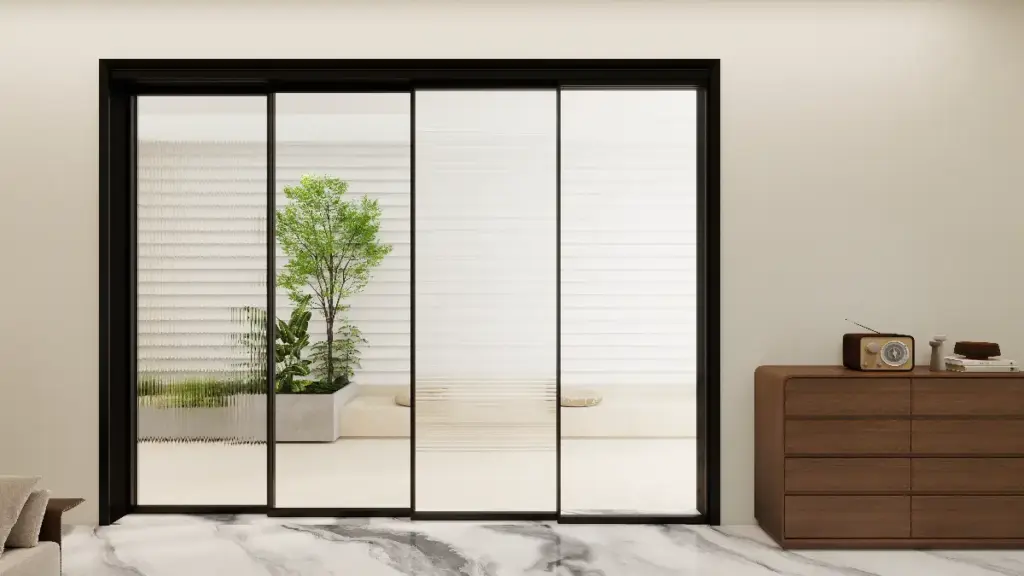
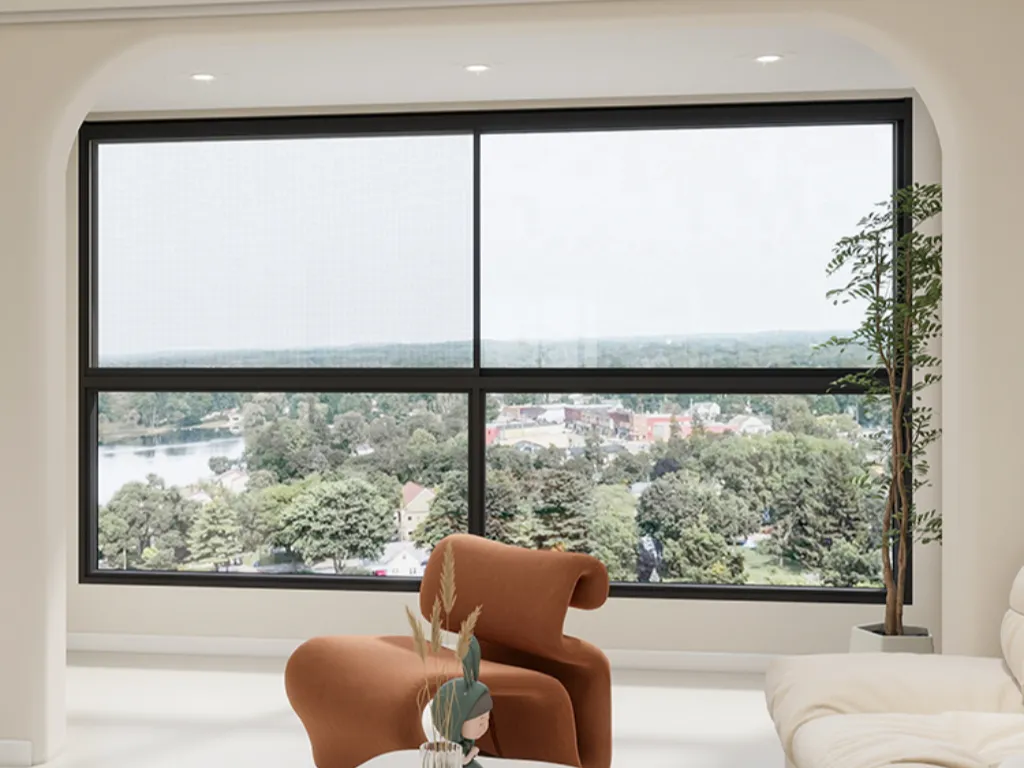
Design flexibility is the biggest draw of custom windows. Homeowners can choose any size, shape, material, or style to match their home’s aesthetic and functional needs. For example, a modern home may feature floor-to-ceiling custom windows to blur the line between indoor and outdoor spaces, while a historic home can have custom windows that replicate the original style—preserving its character while upgrading to energy-efficient materials. Custom windows also allow for unique features like curved tops, custom grid patterns, or specialized glazing (e.g., low-E, frosted, or tinted glass) that standard windows don’t offer.
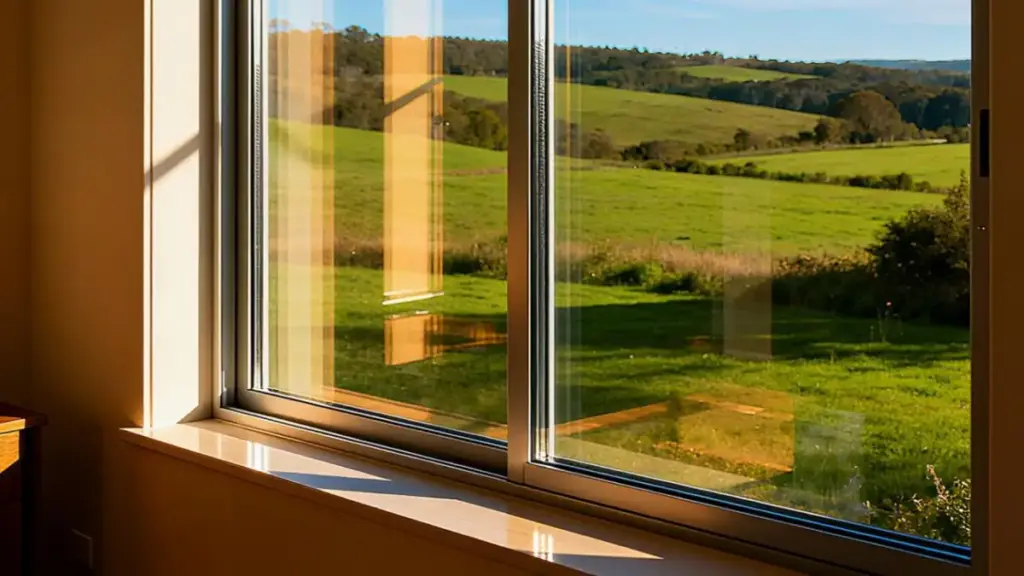
Another benefit is improved functionality. Custom windows can be designed to fit specific room requirements—such as a narrow hallway that needs a small, high window for light, or a kitchen that requires a large window above the sink for visibility. For homeowners with accessibility needs, custom windows can be positioned at a comfortable height for opening and closing, which standard windows may not accommodate. Additionally, custom windows often have higher quality construction, as they are crafted with attention to detail and premium materials, leading to longer durability and better performance.
Drawbacks of Custom Windows: Higher Costs, Longer Lead Times & Installation Considerations
The main downside of custom windows is their higher cost. Unlike standard windows, which are mass-produced, custom windows require specialized design, materials, and labor—resulting in a price tag that can be 50% to 100% higher than standard options. As a manufacturer, we invest more time in measuring, drafting, and fabricating custom windows, and these costs are passed on to the customer. For homeowners with tight budgets, custom windows may be prohibitive, especially for large projects requiring multiple windows.
Longer lead times are another challenge. Custom windows typically take 4 to 8 weeks to fabricate, compared to the days or weeks for standard windows. This can delay project timelines, which is a concern for homeowners who need to complete renovations quickly. Additionally, if measurements are incorrect, reworking custom windows adds even more time and cost, making precise measuring critical (a topic we’ll cover in detail later).
Installation of custom windows is also more complex and requires experienced contractors. Unlike standard windows, which fit into pre-set openings, custom windows require careful alignment and sealing to ensure a perfect fit. Inexperienced installers may make mistakes that compromise energy efficiency or structural integrity, so homeowners need to invest in qualified professionals—adding to the overall cost. Additionally, custom windows may have limited warranty coverage compared to standard windows, as their unique design makes replacements or repairs more challenging.
How to Decide: Standard Window Size vs. Custom for Your Renovation/Construction Project
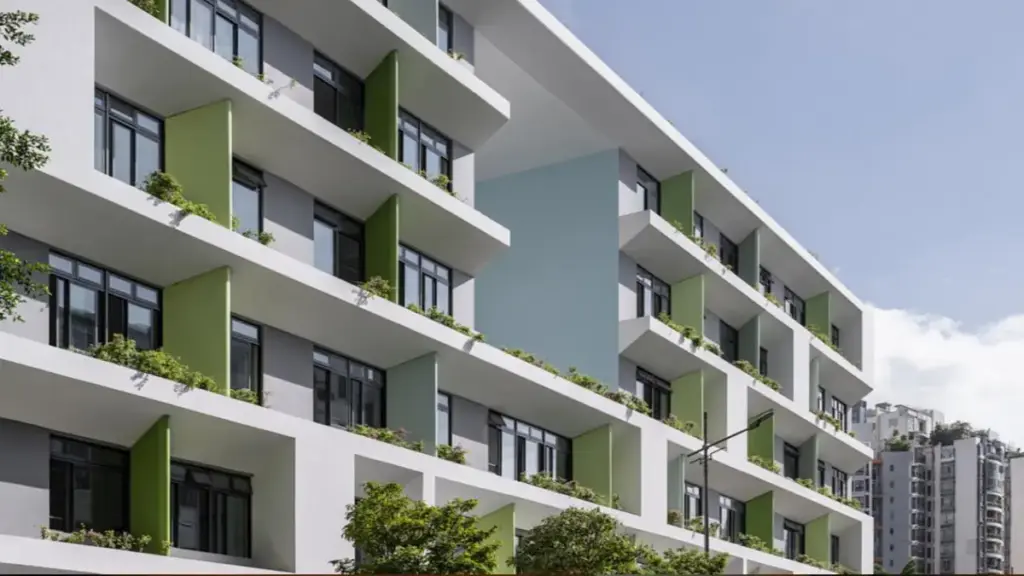
Choosing between Standard Window Size and custom windows depends on several key factors: budget, project timeline, home architecture, and design goals. Start by evaluating your budget—if cost is a top priority and your home has standard wall openings, standard windows are the best choice. They offer affordability, quick availability, and simple installation, making them ideal for tract homes, apartments, or budget renovations.
If your home has unique architectural features (e.g., historic details, custom framing, irregular openings) or you have specific design goals that standard windows can’t meet, custom windows are worth the investment. They allow you to preserve your home’s character, optimize functionality, and create a personalized look. Custom windows are also a better choice for high-end renovations or custom home builds where quality and uniqueness are prioritized over cost.
Project timeline is another critical factor. If you need windows quickly (e.g., for emergency replacements or a tight renovation schedule), standard windows are the way to go. Custom windows require more time for fabrication, so they’re better suited for projects with flexible timelines. Additionally, consider long-term value: custom windows can increase your home’s resale value due to their quality and uniqueness, while standard windows offer reliable value but may not stand out to potential buyers.
Finally, consult with a trusted window manufacturer or contractor. They can assess your home’s wall openings, discuss your design goals and budget, and provide recommendations tailored to your project. As a door and window manufacturer, we often conduct on-site measurements to help homeowners determine whether standard or custom windows are the best fit, ensuring they make an informed decision.
Expert Tips for Measuring: Ensuring Accuracy Whether Choosing Standard Window Size or Custom
Accurate measuring is critical, regardless of whether you choose standard window size or custom windows. Incorrect measurements can lead to ill-fitting windows, energy waste, water damage, and costly rework. Here are our expert tips for precise measuring:
First, measure the width and height of the rough opening (the space between the studs) at three points: top, middle, and bottom for width; left, center, and right for height. Use the smallest measurement for width and height, as this ensures the window fits within the opening. For standard window measurements, compare your results to common standard window dimensions to see if a standard size is compatible. If your measurements fall outside standard ranges, custom windows are necessary.
When measuring for standard bedroom window dimensions, don’t forget to account for egress requirements. Most building codes require bedroom windows to have a minimum clear opening of 5.7 square feet, with a minimum width of 20 inches and height of 24 inches. Ensure your measurements meet these safety standards, whether choosing standard or custom windows.
Use a high-quality tape measure and have a helper assist with larger openings to avoid errors. Measure to the nearest 1/8 inch for precision, and never measure the existing window—measure the rough opening instead, as existing windows may have warped or settled over time. If you’re unsure about measuring, hire a professional contractor or window manufacturer to conduct measurements, especially for custom windows where precision is paramount.
Finally, consider environmental factors. For homes in areas with extreme weather (e.g., high winds, heavy rain), ensure the window size and installation allow for proper sealing and insulation. Custom windows can be designed with reinforced frames and specialized glazing to withstand harsh conditions, while standard windows may require additional weatherstripping or insulation for optimal performance.
In conclusion, both standard window sizes and custom windows have their place in home projects. Standard windows offer affordability, speed, and simplicity, making them ideal for budget-friendly, conventional homes. custom windows provide design flexibility, a perfect fit, and premium performance, suited for unique homes or high-end renovations. By evaluating your budget, timeline, and design goals, and ensuring accurate measurements, you can choose the right windows for your home—one that balances aesthetics, functionality, and long-term value. As a door and window manufacturer, we’re here to help you every step of the way, from measuring to installation, to ensure your windows enhance your home for years to come.