From commercial buildings to residential homes, selecting the ideal thickness can impact everything from durability to energy efficiency. Whether you’re a contractor, architect, or homeowner, understanding the different thickness options will help you make the best choice for your project.
In this article, we’ll dive into the factors that influence door thickness, the common thickness options, and how to choose the right one for your needs.
How to Define the Thickness of Aluminum Doors?
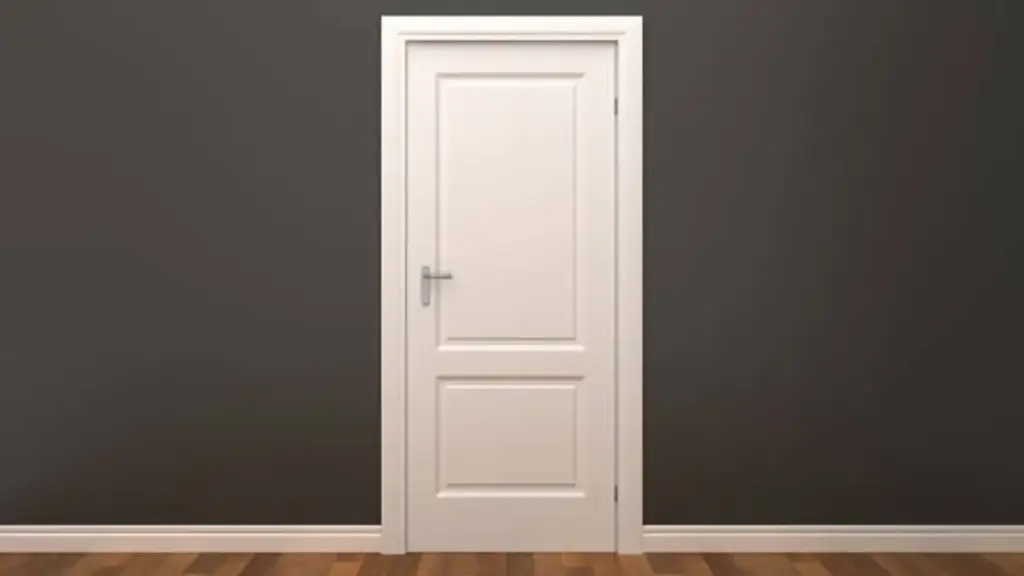
In the door manufacturing industry, when we refer to the “thickness of a door,” we are typically talking about the thickness of the door panel (door leaf), not the frame. The door panel thickness is determined by the gauge of the material used, such as aluminum, and directly affects the door’s strength, insulation, and durability.
Material Thickness vs. Overall Door Thickness
- Material thickness (Door panel thickness): which refers to the thickness of the actual panel material of the door. This refers to the actual thickness of the aluminum itself, typically ranging from 1.4mm to 6mm. Thicker materials offer more strength, better insulation, and higher resistance to wear and tear.
- Overall Door Thickness: The overall thickness includes the door frame and other structural components of the door. Depending on the type of door, the total thickness can range from 30mm to 50mm. The frame’s thickness is often determined by the door’s intended use and function.
Impact of Door Types on Thickness
The thickness of an aluminum door is heavily influenced by the type of door being used:
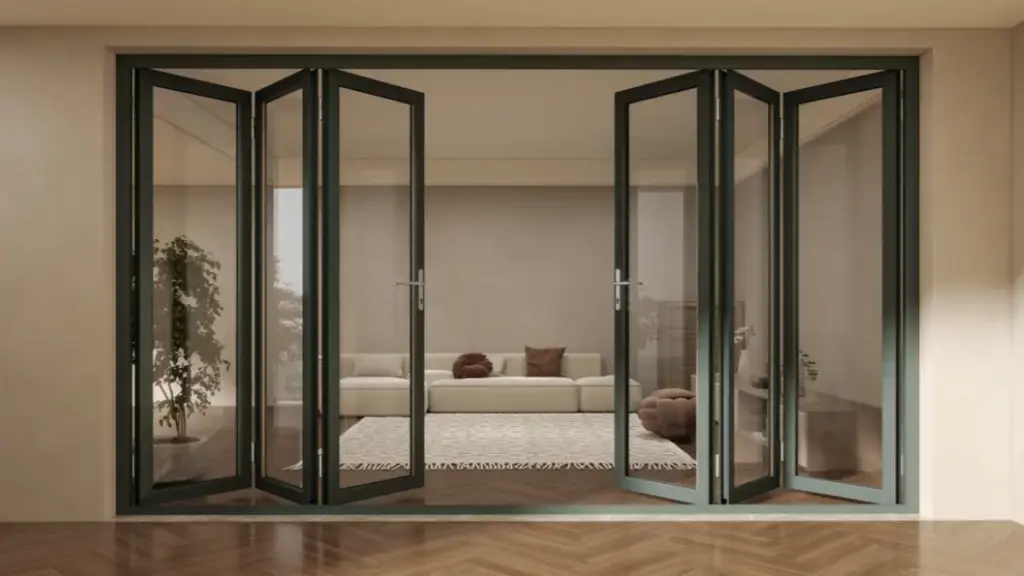
- Folding Doors: These lightweight doors typically feature thinner frames, ranging between 30mm to 40mm, which are suitable for residential or light commercial applications.
- Entry Doors: For greater security and insulation, entry doors often have frames between 40mm to 50mm, ensuring better resistance against weather and break-ins.
- Sliding Doors: Sliding doors, designed for frequent use, also use thicker frames (40mm to 50mm) to support the sliding mechanism and ensure smooth operation.
- Swing Doors: Like entry doors, swing doors require robust frames (40mm to 50mm) to provide support for daily use and maintain long-term stability.
Now that we’ve covered the basics of door thickness, let’s focus on material thickness in the next section and see how different thicknesses affect door performance across various applications.
Common Aluminum Door Thicknesses and Their Applications
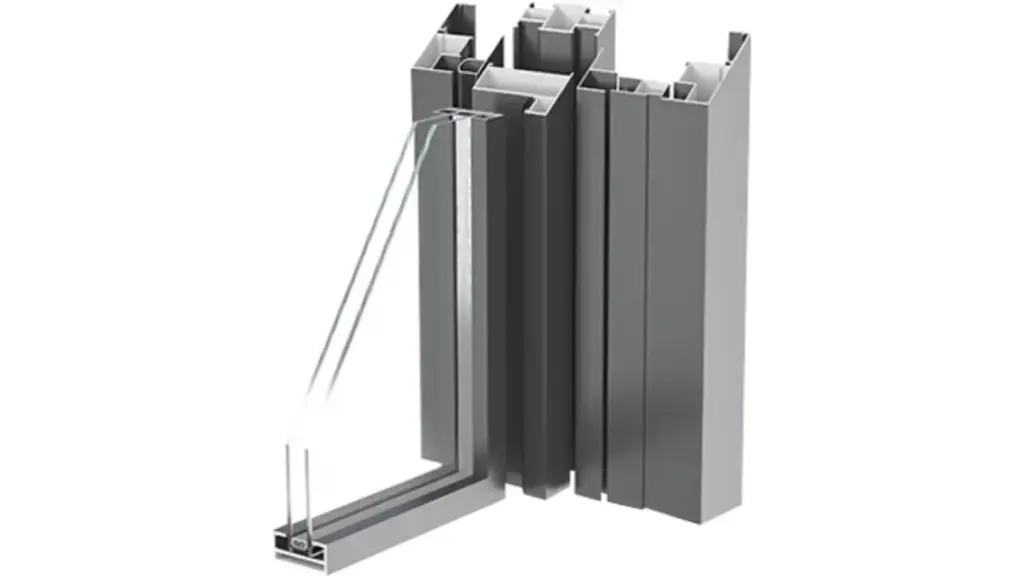
Aluminum doors come in various thicknesses, each designed to meet specific needs. Here, we break down the different thickness options, including those used in specialized door series, and how they suit various environments.
1.4mm – 2.0mm (Light Duty)
The 1.4mm to 2.0mm range is typically used in interior and low-traffic applications. These doors offer a balance of affordability, aesthetic appeal, and moderate performance. While not ideal for high-security needs, they serve well in areas where function and design are prioritized over extreme durability.
Featured Product: 18 Extremely Narrow Swing Door
- Thickness: Main frame 1.4mm, Door frame 2.0mm
- Glass: 5mm + 15A + 5mm
- Application: Kitchen, bathrooms, and smaller spaces
- Design: Opuomen’s swing door features an ultra-narrow frame with a minimalistic, stylish look. Its slim frame design gives the door a sleek, contemporary feel, making it ideal for modern interiors. The 2.0mm frame thickness offers solid performance for daily use in residential or light commercial settings.
- Interior spaces like kitchens, bathrooms, and office partitions
- Applications where aesthetics and light-duty performance are key factors
These doors provide a visually striking, modern design with moderate durability. While suitable for residential and light-use commercial environments, they may not be ideal for high-traffic or high-security locations.
2.0mm – 2.5mm (Medium Duty)
Doors in the 2.0mm to 2.5mm range offer a step up in strength and security compared to the lighter 1.4mm to 2.0mm models. These doors are suitable for moderate-traffic areas, providing a good balance of cost, durability, and insulation.
Best For:
- Office spaces, retail environments, or hotels
- Areas that require some level of security and enhanced durability, but not for high-security use
These doors offer better sound insulation and moderate resistance to the elements. They’re suitable for areas where increased security is necessary but won’t bear the weight of industrial use.
4.0mm – 5.0mm (Heavy Duty)
For high-traffic commercial spaces or residential applications that require superior strength and insulation, the 4.0mm to 5.0mm aluminum doors are the perfect choice. These doors are built to handle significant wear and provide enhanced protection against weather conditions and forced entry.
Best For:
- Commercial buildings, such as retail stores, warehouses, or hospitals
- High-traffic areas that require strong insulation and security.
Performance Consideration:
These doors are much stronger and more durable, making them ideal for environments exposed to harsh conditions or heavy use. They also provide better thermal insulation, helping to reduce energy costs in temperature-sensitive areas.
6.0mm and Above (Industrial Duty)
Doors in the 6.0mm and above thickness range are ideal for the most demanding environments. These industrial-grade doors are designed to withstand extreme conditions, offering maximum security, strength, and soundproofing capabilities.
Best For:
- Industrial and high-security applications, such as factories, airports, or military facilities
- Areas requiring maximum insulation, soundproofing, and impact resistance.
Performance Consideration:
These doors provide excellent durability, security, and energy efficiency. With superior soundproofing and insulation properties, they are perfect for industrial or highly secure environments.
The Impact of Thickness on Aluminum Door Performance
The thickness of an aluminum door directly impacts its performance in several ways:
Strength and Durability
Thicker aluminum doors are inherently stronger and more durable. They are better equipped to handle wear and tear, including impacts, abrasions, and the elements. This makes them ideal for areas that experience high foot traffic or where heavy items are regularly moved.
Security
Security is often the top priority for many door installations. Thicker aluminum provides superior resistance against forced entry. For instance, a 5mm thick aluminum door is much harder to break into compared to a 2mm door, making it the better choice for secure commercial or residential applications.
Energy Efficiency
Thickness also plays a significant role in energy efficiency. Thicker doors have better insulating properties, which can help regulate indoor temperatures. This is particularly important for buildings located in regions with extreme weather conditions. For example, a thicker door will help keep the interior cool during hot summers and warm during cold winters.
Sound Insulation
Thicker doors are more effective at blocking external noise. This is particularly important in environments where soundproofing is a priority, such as offices, hotels, and hospitals. A 5mm aluminum door, for example, will significantly reduce the transmission of sound compared to a 2mm door.
Cost Considerations: Is Thicker Always Better for Aluminum Doors?
Is door thicker always better? Not necessarily. While thicker aluminum doors offer enhanced security, insulation, and durability, they come at a higher cost. what you should do is to evaluate your needs.
- When to choose thinner doors: If you’re installing doors in areas like interior spaces where insulation and security aren’t as critical, thinner doors (2mm to 3mm) are sufficient. For example, interior doors or partitions in residential homes or office spaces that don’t need heavy insulation can be cost-effective without compromising performance.
- When thicker doors are worth the investment: For entry doors or doors in regions with extreme weather conditions, opting for a thicker door (4mm to 5mm) offers better insulation and security. While it costs more upfront, the benefits in terms of durability and performance can justify the expense, especially for high-traffic or high-security areas.
At Opuomen, we offer tailored solutions to help you choose the right door thickness based on your needs and budget, with expert technical support to guide you through the decision-making process.
Choosing the Right Aluminum Door Thickness for Your Climate
Cold Climates: In regions with harsh winters, a thicker door (4mm to 5mm) provides better insulation, helping to retain heat and reduce energy consumption during the colder months.
Hot Climates: For areas with high temperatures, a 4mm to 5mm door also helps in keeping the heat out, improving indoor comfort and reducing the need for air conditioning.
Temperate Climates: In more moderate climates, a 2mm to 3mm thick door is typically sufficient, as insulation requirements are lower. These doors still offer good performance for most residential and light commercial needs.
How to Measure the Thickness of Aluminum Doors
Measuring the thickness of an aluminum door involves determining both the door frame thickness and the material thickness (the aluminum panel itself). Here’s a step-by-step guide to help you accurately measure the thickness:
Gather the Right Tools
You’ll need a caliper or ruler for precise measurements. A caliper is preferred for its accuracy, but a ruler can also work if you don’t have a caliper.
Measure the Door Frame Thickness
Start by measuring the frame thickness. Place the measuring tool on the outer edge of the frame. Measure from one side to the other, ensuring that you are measuring the full thickness of the frame material. Typically, door frames are between 30mm and 50mm thick, depending on the door type.
Measure the Material Thickness (Door Panel)
Next, measure the material thickness of the aluminum door itself. This is the thickness of the aluminum sheet that forms the core of the door, not the entire frame. To do this:
- Focus on an area where the aluminum panel is exposed.
- Use the caliper to measure the thickness of the aluminum at the door’s edge or core.
- The material thickness usually ranges from 1.4mm to 6mm, depending on the door’s design and purpose.
The Right Choice: Customizing Aluminum Door Thickness
Whether you need a lightweight 1.5mm door for interior use or a robust 6mm door for high-security applications, many manufacturers offer customizable solutions to meet your specific needs.
At Opuomen, we provide expert guidance to help you select the optimal door thickness for your project. Our team can assist you in understanding the benefits of different thickness options and how they align with your specific conditions, ensuring you make an informed decision.
If you’re ready to upgrade your property with the perfect aluminum doors, reach out to us for expert advice and a customized solution tailored to your requirements.