एल्युमीनियम खिड़कियों के लिए सही ग्लास चुनना अक्सर एक संतुलन कार्य जैसा लगता है जहां आपको बोल्ड डिज़ाइन और तकनीकी आवश्यकता के बीच समझौता करने के लिए मजबूर होना पड़ता है।. चाहे यह एक तटीय विला को लगातार गर्मी से बचाना हो या यह सुनिश्चित करना हो कि शहरी अराजकता के बीच एक ऊंचा कार्यालय फुसफुसाते हुए शांत रहे, the “मानक” चुनाव शायद ही कभी पर्याप्त होता है. इस निर्णय के गलत होने से न केवल लुक पर असर पड़ता है बल्कि इसका असर ऊर्जा बिल पर भी पड़ता है, सुरक्षा अनुपालन, और दीर्घकालिक किरायेदार संतुष्टि.
यह मार्गदर्शिका उस जटिलता को सरल बनाती है. हम आवश्यक ग्लेज़िंग प्रौद्योगिकियों को तोड़ते हैं - संरचनात्मक विन्यास और सुरक्षा सुविधाओं से लेकर ध्वनिक डंपिंग और थर्मल कोटिंग्स तक - आपको ग्लास का चयन करने की स्पष्टता प्रदान करते हैं जो भवन के प्रदर्शन और रहने वालों के आराम दोनों को बढ़ाता है।.
ग्लेज़िंग विन्यास
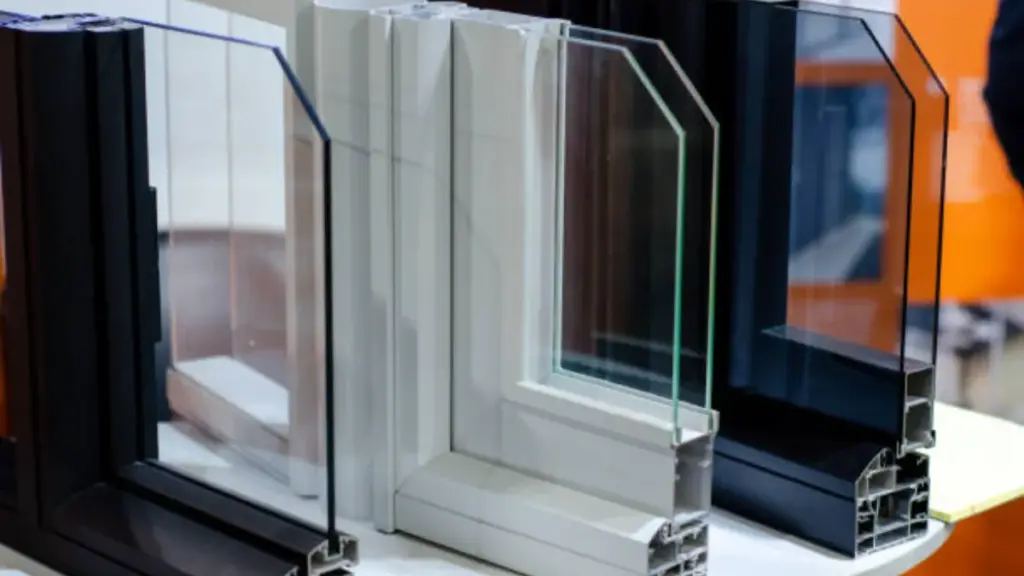
आपके विंडो प्रोजेक्ट में सही कॉन्फ़िगरेशन का चयन करना सबसे महत्वपूर्ण तकनीकी निर्णय है. यह वजन निर्धारित करता है ऐल्युमिनियम का फ्रेम समर्थन करना चाहिए, हार्डवेयर स्थायित्व, और भवन आवरण का समग्र ऊर्जा प्रदर्शन.
एकल ग्लेज़िंग
सिंगल ग्लेज़िंग में एल्यूमीनियम सैश या फ्रेम के भीतर लगे कांच का एक एकल फलक होता है. क्योंकि इसमें इंसुलेटिंग कैविटी या गैस भराव का अभाव है, यह थर्मल स्थानांतरण के लिए एक सीधा मार्ग प्रदान करता है, इसे उपलब्ध सबसे बुनियादी ग्लेज़िंग विकल्प बनाना.
- मुख्य विशिष्टताएँ: आमतौर पर इसमें 3 मिमी-12 मिमी का ठोस ग्लास पैनल होता है जिसमें कोई आंतरिक गुहा नहीं होती है.
- थर्मल & ध्वनिक प्रदर्शन: बहुत उच्च यू-मूल्यों द्वारा विशेषता (लगभग. 5.8 डब्ल्यू/एम²के) और लगभग कोई ध्वनि कमी नहीं, क्योंकि कंपन या ताप प्रवाह को तोड़ने के लिए कोई वायु अंतराल नहीं है.
- के लिए सबसे अच्छा: आंतरिक एल्यूमीनियम कार्यालय विभाजन, बिना गर्म किये हुए सनरूम, या हल्के उष्णकटिबंधीय जलवायु में विरासत भवन का जीर्णोद्धार.
दोहरी चिकनाई
दोहरी चिकनाई, या एक इंसुलेटिंग ग्लास यूनिट (मेरे लिए), कैप्टिव वायु या गैस गुहा बनाने के लिए एक सीलबंद स्पेसर बार द्वारा अलग किए गए कांच के दो शीशों का उपयोग करता है. यह डिज़ाइन आधुनिक एल्यूमीनियम विंडो सिस्टम के लिए बेंचमार्क है, संतुलित प्रदर्शन-से-वजन अनुपात की पेशकश.
- मुख्य विशिष्टताएँ: कुल इकाई की मोटाई आमतौर पर 20 मिमी से 32 मिमी तक होती है (जैसे, ए 4-16-4 विन्यास). इन्सुलेशन बढ़ाने के लिए गुहा आमतौर पर आर्गन गैस से भरी होती है.
- थर्मल & ध्वनिक प्रदर्शन: आधुनिक डबल ग्लेज़िंग के बीच यू-मान प्राप्त होता है 1.1 और 1.6 डब्ल्यू/एम²के, बाहरी शोर और गर्मी के नुकसान के खिलाफ एक महत्वपूर्ण बाधा प्रदान करना.
- के लिए सबसे अच्छा: मानक आवासीय और वाणिज्यिक पहलू, शहरी अपार्टमेंटों में शोर नियंत्रण की आवश्यकता है, और अधिकांश मध्य-श्रेणी की ऊर्जा-कुशल परियोजनाएँ.
ट्रिपल ग्लेज़िंग
ट्रिपल ग्लेज़िंग एक उन्नत आईजीयू है जिसमें कांच के तीन पैन होते हैं जो दो अक्रिय-गैस से भरी गुहाओं और दो स्पेसर बार द्वारा अलग किए जाते हैं।. यह कॉन्फ़िगरेशन सामान्य इंसुलेटिंग ग्लास प्रौद्योगिकी के शिखर का प्रतिनिधित्व करता है, अधिकतम तापीय प्रतिधारण के लिए डिज़ाइन किया गया.
- मुख्य विशिष्टताएँ: कुल इकाई की मोटाई 36 मिमी से 52 मिमी तक है. यह इष्टतम प्रदर्शन के लिए 12 मिमी या अधिक की गुहा चौड़ाई के साथ 4 मिमी-6 मिमी ग्लास पैन का उपयोग करता है.
- थर्मल & ध्वनिक प्रदर्शन: अल्ट्रा-लो यू-वैल्यू तक पहुंचने के लिए इंजीनियर किया गया (0.6–0.8 W/m²K), तक ताप हानि को कम करना 50% मानक डबल ग्लेज़िंग की तुलना में.
- के लिए सबसे अच्छा: निष्क्रिय सदन (निष्क्रिय घर) प्रमाणित इमारतें, अत्यधिक ठंड या उत्तरी जलवायु, और हवाई अड्डे के उड़ान पथ जैसे उच्च-डेसीबल वातावरण में स्थित परियोजनाएं.
प्रतिरोध और सुरक्षा मानक
कई क्षेत्रों में, एल्यूमीनियम खिड़कियों के लिए सेफ्टी ग्लास एक कानूनी आवश्यकता है “खतरनाक स्थान”-जैसे कि फर्श से छत तक की खिड़कियाँ, दरवाजे, और बाथरूम के बाड़े. टेम्पर्ड और लेमिनेटेड ग्लास के बीच चुनाव इस बात पर निर्भर करता है कि आपकी प्राथमिकता चोट को रोकना है या सुरक्षित अवरोध बनाए रखना है.
टेम्पर्ड ग्लास
सामान्य ग्लास की तुलना में इसकी ताकत बढ़ाने के लिए टेम्पर्ड ग्लास को नियंत्रित थर्मल उपचार के माध्यम से संसाधित किया जाता है. इसे प्रभाव के प्रति अत्यधिक प्रतिरोधी होने के लिए डिज़ाइन किया गया है, और इसकी सबसे बड़ी विशेषता यही है “तोड़-सुरक्षित” नमूना.
- मुख्य विशिष्टताएँ: लगभग 4 को 5 समान मोटाई के एनील्ड ग्लास से कई गुना अधिक मजबूत. आकार के अनुसार काटा और निर्मित किया जाना चाहिए पहले तड़के की प्रक्रिया.
- सुरक्षा तंत्र: असफल होने पर, यह हजारों छोटे टुकड़ों में टूट जाता है, कुंद धार वाले टुकड़े (granules) तेज़ धारों के बजाय, गंभीर घावों के जोखिम को काफी हद तक कम कर देता है.
- पेशेवरों & दोष:
- पेशेवरों: उच्च तापीय शक्ति (गर्मी-प्रेरित दरार का प्रतिरोध करता है), प्रभावी लागत, और उत्कृष्ट मानव-प्रभाव सुरक्षा प्रदान करता है.
- दोष: एक बार टूट गया, संपूर्ण फलक फ़्रेम से बाहर गिर जाता है, उद्घाटन को पूरी तरह से खुला छोड़ देना.
- के लिए सबसे अच्छा: एल्यूमीनियम स्लाइडिंग दरवाजे, पक्ष लाइट्स, शॉवर स्क्रीन, और आंतरिक कार्यालय विभाजन जहां टूटने के बाद रोकथाम की आवश्यकता नहीं है.
लेमिनेट किया हुआ कांच
लैमिनेटेड ग्लास में ग्लास के दो या दो से अधिक शीशे स्थायी रूप से एक प्लास्टिक इंटरलेयर के साथ एक साथ बंधे होते हैं (आमतौर पर पीवीबी या एसजीपी). इसे अक्सर कहा जाता है “अटूट” आम बोलचाल की भाषा में क्योंकि यह कांच की परतों के टूटने के बाद भी अपनी संरचनात्मक अखंडता बनाए रखता है.
- मुख्य विशिष्टताएँ: विभिन्न कॉन्फ़िगरेशन में उपलब्ध है (जैसे, 6.38मिमी, 10.76मिमी). इंटरलेयर तक ब्लॉक कर देता है 99% यूवी विकिरण का और एक महत्वपूर्ण ध्वनिक शमन प्रभाव प्रदान करता है.
- सुरक्षा तंत्र: जब प्रभाव पड़ा, कांच में दरार आ जाती है “मकड़ी का जाला” नमूना, लेकिन टुकड़े आंतरिक प्लास्टिक इंटरलेयर से चिपके रहते हैं. यह गिरने से बचाता है और मौसम-रोधी अवरोध बनाए रखता है.
- पेशेवरों & दोष:
- पेशेवरों: जबरन प्रवेश के विरुद्ध बेहतर सुरक्षा (सेंध), उत्कृष्ट ध्वनिरोधन, और क्षति के बाद भी इमारत को सील रखता है.
- दोष: टेम्पर्ड ग्लास से भारी और अधिक महंगा; इंटरलेयर प्रदूषण को रोकने के लिए किनारों को ठीक से सील किया जाना चाहिए.
- के लिए सबसे अच्छा: ऊँचे-ऊँचे एल्युमीनियम अग्रभाग, ओवरहेड/रोशनदान ग्लेज़िंग, स्टोरफ्रंट में तोड़फोड़ की संभावना रहती है, और तूफान-प्रवण क्षेत्रों में तटीय परियोजनाएं.
गर्मी से भिगोया हुआ टेम्पर्ड ग्लास
टेम्पर्ड ग्लास के लिए हीट-सोकिंग एक अतिरिक्त सुरक्षा परीक्षण है. ग्लास को एक ओवन में रखा जाता है और निकेल सल्फाइड युक्त किसी भी शीशे के टूटने को ट्रिगर करने के लिए एक विशिष्ट तापमान चक्र के अधीन किया जाता है। (एनआईएस) समावेशन—का एक सामान्य कारण है “स्वयमेव जल उठना” टेम्पर्ड ग्लास में.
- मुख्य विशिष्टताएँ: EN के अनुसार परीक्षण किया गया 14179 या समान मानक. यह प्रक्रिया फैक्ट्री छोड़ने से पहले उच्च जोखिम वाले पैनलों की पहचान करती है और उन्हें समाप्त कर देती है.
- सुरक्षा तंत्र: टूटने के पैटर्न को नहीं बदलता है लेकिन स्थापना के बाद कांच के स्वचालित रूप से फटने की सांख्यिकीय संभावना को काफी कम कर देता है.
- पेशेवरों & दोष:
- पेशेवरों: उच्च-मूल्य वाली परियोजनाओं के लिए मानसिक शांति प्रदान करता है; दीर्घकालिक रखरखाव और प्रतिस्थापन लागत को काफी कम कर देता है.
- दोष: प्रति वर्ग मीटर लीड समय और प्रारंभिक लागत में जोड़ता है.
- के लिए सबसे अच्छा: बड़े पैमाने पर वाणिज्यिक एल्यूमीनियम पर्दे की दीवारें, ऊँची-ऊँची आवासीय खिड़कियाँ, और कांच के बालस्ट्रेड जहां प्रतिस्थापन पहुंच कठिन और महंगी है.
ध्वनिक प्रदर्शन
घने शहरी परिवेश में स्थित परियोजनाओं के लिए, हवाई अड्डों के पास, या व्यस्त राजमार्गों के किनारे, the कांच का ध्वनिक प्रदर्शन अक्सर इसकी थर्मल रेटिंग जितनी ही महत्वपूर्ण होती है. विशिष्ट ग्लास इंजीनियरिंग तकनीकों का उपयोग करके एल्यूमीनियम खिड़कियां 30dB से 50dB+ तक ध्वनि इन्सुलेशन स्तर प्राप्त कर सकती हैं.
ध्वनिक लैमिनेटेड ग्लास
मानक लैमिनेटेड ग्लास के विपरीत, ध्वनिक लेमिनेटेड ग्लास एक विशेष का उपयोग करता है, नरम पीवीबी (पॉलीविनाइल ब्यूटिरल) इंटरलेयर को विशेष रूप से इंजीनियर किया गया है “गीला हो जाना” जैसे ही वे फलक से गुजरते हैं ध्वनि कंपन.
- यह काम किस प्रकार करता है: ध्वनिक इंटरलेयर शॉक अवशोषक के रूप में कार्य करता है, ध्वनि तरंग की ऊर्जा को तोड़ना और इसे आंतरिक भाग में कंपन करने से रोकना.
- मुख्य विशिष्टताएँ: ध्वनि में कमी प्राप्त कर सकते हैं (आरडब्ल्यू) ग्लास की मोटाई और इंटरलेयर प्रकार के आधार पर 35dB से 50dB की रेटिंग.
- पेशेवरों & दोष:
- पेशेवरों: उच्च-आवृत्ति शोर को कम करने का सबसे प्रभावी तरीका (सायरन या विमान की तरह); सुरक्षा और UV लाभ भी प्रदान करता है.
- दोष: मानक ग्लास की तुलना में अधिक लागत; मोटे लैमिनेट्स के वजन का समर्थन करने के लिए हेवी-ड्यूटी एल्यूमीनियम फ्रेम की आवश्यकता होती है.
- के लिए सबसे अच्छा: शहर के केन्द्रों में लक्जरी अपार्टमेंट, होटल के अग्रभाग, और रिकॉर्डिंग स्टूडियो.
असममित ग्लेज़िंग
असममित ग्लेज़िंग एक IGU को संदर्भित करता है (इंसुलेटिंग ग्लास यूनिट) जहां कांच के दो शीशों की मोटाई अलग-अलग होती है (जैसे, एक 6 मिमी बाहरी फलक और एक 4 मिमी आंतरिक फलक).
- यह काम किस प्रकार करता है: कांच की प्रत्येक मोटाई में एक होता है “महत्वपूर्ण आवृत्ति” जिस पर यह आसानी से कंपन करता है, आवाज़ आने देना. दो अलग-अलग मोटाई का उपयोग करके, प्रत्येक फलक उन आवृत्तियों को अवरुद्ध करता है जो अन्य फलक से छूट सकती हैं, सहानुभूतिपूर्ण प्रतिध्वनि को रोकना.
- मुख्य विशिष्टताएँ: एक सामान्य कॉन्फ़िगरेशन 6 मिमी फ़्लोट है + 12मिमी वायु + 4मिमी फ्लोट. यह साधारण परिवर्तन सममित इकाइयों की तुलना में 3dB से 5dB तक शोर में कमी में सुधार कर सकता है.
- पेशेवरों & दोष:
- पेशेवरों: अत्यधिक लागत प्रभावी; यूनिट के कुल वजन में उल्लेखनीय वृद्धि किए बिना तत्काल ध्वनिक सुधार प्रदान करता है.
- दोष: भारी ट्रक इंजन जैसे कम आवृत्ति वाले शोर के लिए ध्वनिक लैमिनेट्स की तुलना में कम प्रभावी.
- के लिए सबसे अच्छा: मध्यम शोर वाले पड़ोस या स्कूल कक्षाओं में मानक आवासीय घर.
हाई-गैप इंसुलेटिंग ग्लास
कांच के शीशों के बीच गुहा की चौड़ाई ध्वनि इन्सुलेशन को महत्वपूर्ण रूप से प्रभावित करती है, विशेष रूप से कम आवृत्ति वाले शोर के लिए. हवा या गैस का अंतर बढ़ाने से बड़ा अंतर मिलता है “बफर” ध्वनि तरंगों के विलुप्त होने के लिए.
- यह काम किस प्रकार करता है: एक व्यापक अंतर (जैसे, 20मिमी बनाम. मानक 12 मिमी) को बढ़ाता है “द्रव्यमान-वायु-द्रव्यमान” अनुकंपन आवृति, बेहतर ध्वनि अलगाव के लिए दो ग्लास पैनलों को प्रभावी ढंग से अलग करना.
- मुख्य विशिष्टताएँ: ध्वनिक प्रदर्शन के लिए 16 मिमी से 24 मिमी की गुहा चौड़ाई आदर्श है. चरम मामलों के लिए, “द्वितीयक ग्लेज़िंग” (दो अलग-अलग खिड़की के फ्रेम) 100 मिमी+ का अंतर बनाता है.
- पेशेवरों & दोष:
- पेशेवरों: कम आवृत्ति वाली गड़गड़ाहट को रोकने के लिए उत्कृष्ट (गाड़ियों, भारी यातायात).
- दोष: बहुत चौड़े अंतराल थोड़े हो सकते हैं घटाना अधिक आंतरिक वायु संवहन की अनुमति देकर थर्मल दक्षता; अतिरिक्त-चौड़ी एल्यूमीनियम प्रोफ़ाइल गहराई की आवश्यकता होती है.
- के लिए सबसे अच्छा: रेलवे लाइनों से बिल्कुल सटी हुई इमारतें, राजमार्ग, या औद्योगिक क्षेत्र.
सिलवाया एल्युमीनियम खिड़कियाँ: गुणवत्ता & आपकी परियोजनाओं के लिए प्रदर्शन
ऊष्मीय प्रदर्शन
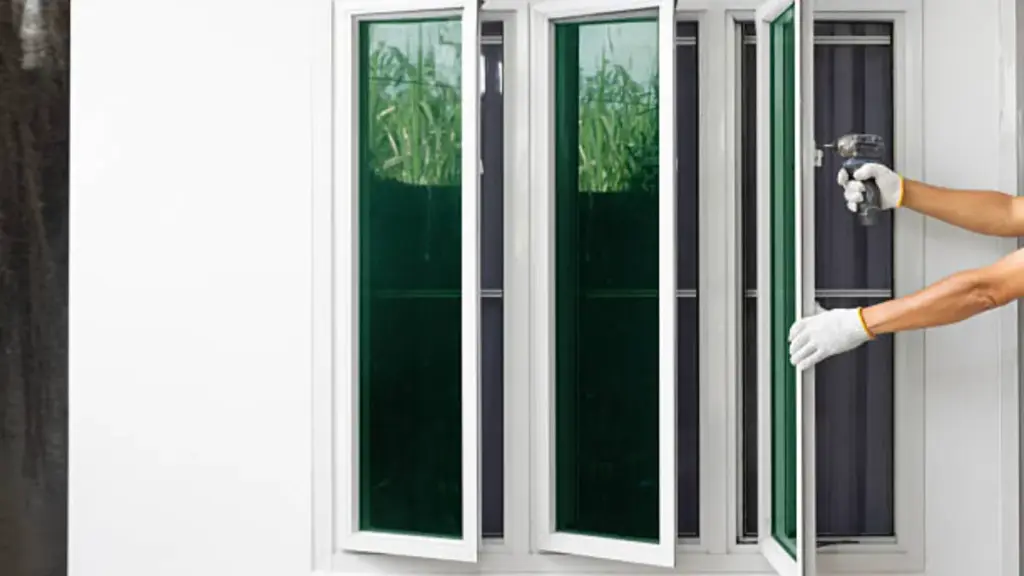
जबकि कांच के शीशों की संख्या संरचनात्मक आधार प्रदान करती है, ग्लास पर लागू अदृश्य प्रौद्योगिकियाँ - लो-ई कोटिंग्स और अक्रिय गैस भरना - वास्तव में एक इमारत की ऊर्जा दक्षता को बढ़ाती हैं. ये संवर्द्धन ऊर्जा हानि को कम कर सकते हैं 40% मानक स्पष्ट ग्लास की तुलना में.
कम emissivity (कम-ई) कोटिंग्स
लो-ई कोटिंग्स सूक्ष्म रूप से पतली होती हैं, कांच की सतह पर पारदर्शी धातु की परतें लगाई जाती हैं. ये एक तापीय दर्पण की तरह कार्य करते हैं: लंबी-तरंग अवरक्त ऊर्जा को प्रतिबिंबित करना (गर्मी) दृश्य प्रकाश को गुजरने की अनुमति देते हुए अपने स्रोत पर वापस जाएँ.
- मोटा कोट (पायरोलाइटिक): इसे तब लगाया जाता है जब उत्पादन के दौरान कांच अभी भी गर्म हो. यह बेहद टिकाऊ और खरोंच-प्रतिरोधी है, इसे एकल-फलक अनुप्रयोगों के लिए उपयुक्त बनाना, हालाँकि यह थोड़ा कम तापीय प्रदर्शन प्रदान करता है.
- मुलायम कोट (थूक दिया): कांच बनने के बाद निर्वात कक्ष में लगाया जाता है. यह उच्चतम थर्मल दक्षता और सर्वोत्तम एसएचजीसी नियंत्रण प्रदान करता है. तथापि, यह नाजुक है और इसे IGU के अंदर सील किया जाना चाहिए (सतह पर #2 या #3) ऑक्सीकरण को रोकने के लिए.
के लिए सबसे अच्छा: ऊर्जा कोड के सख्त अनुपालन की आवश्यकता वाली परियोजनाएं (पसंद 2026 लक्ष्यों को) और बड़े कांच-से-दीवार अनुपात वाली इमारतें.
अक्रिय गैस भरता है
सादे हवा के बजाय, कांच के शीशों के बीच की गुहा को रंगहीन से भरा जा सकता है, गंधहीन अक्रिय गैसें. क्योंकि ये गैसें हवा से सघन होती हैं, वे गर्मी की गति को काफी धीमा कर देते हैं (संवहन और संचालन) विंडो यूनिट के भीतर.
- आर्गन गैस: सबसे आम उद्योग विकल्प. यह लागत प्रभावी है और हवा से भरी इकाइयों की तुलना में यू-मान में 15-20% सुधार प्रदान करता है. 12 मिमी-16 मिमी गुहाओं में सबसे अच्छा काम करता है.
- क्रिप्टन गैस: आर्गन से बहुत सघन, बहुत पतली गुहाओं में बेहतर इन्सुलेशन की अनुमति देता है (जैसे, 8मिमी-10 मिमी). जबकि अधिक महंगा है, यह उच्च-प्रदर्शन ट्रिपल ग्लेज़िंग के लिए विशिष्ट विकल्प है.
लो-ई के साथ संयुक्त, एक गैस से भरी इकाई 0.25–0.30 BTU/hr·ft²·°F जितनी कम यू-मान तक पहुंच सकती है (लगभग. 1.4-1.7 डब्ल्यू/एम²के).
के लिए सबसे अच्छा: उच्च स्तरीय आवासीय निर्माण, चरम जलवायु क्षेत्र, और खिड़की की सीटों के पास थर्मल आराम को अधिकतम करना.
तस्वीर & यूवी संरक्षण
तापमान और शोर से परे, सही ग्लास को यह प्रबंधित करना चाहिए कि कमरे में कितनी प्राकृतिक रोशनी प्रवेश करती है और साथ ही रहने वालों और अंदरूनी हिस्से को हानिकारक पराबैंगनी किरणों से बचाती है। (यूवी) विकिरण.
सौर-नियंत्रण लेपित ग्लास (स्पष्ट & गर्म ढाल)
ये उन्नत टिंटेड या रिफ्लेक्टिव कोटिंग्स हैं जिन्हें विशेष रूप से कम करने के लिए डिज़ाइन किया गया है “चमक” दृश्य को पूरी तरह से त्यागे बिना.
- समारोह: वे सौर स्पेक्ट्रम को फ़िल्टर करते हैं, अवरक्त ताप के एक महत्वपूर्ण हिस्से को अवरुद्ध करते हुए दृश्य प्रकाश को अंदर आने देना.
- के लिए सबसे अच्छा: पूर्व या पश्चिम की ओर बड़ी एल्यूमीनियम खिड़की की दीवारें, और वाणिज्यिक कार्यालय जहां स्क्रीन की चमक कम से कम होनी चाहिए.
यूवी-फ़िल्टरिंग लैमिनेटेड ग्लास (आंतरिक रक्षक)
जबकि सभी ग्लास कुछ UV-B को रोकते हैं, लेमिनेटेड ग्लास में पीवीबी इंटरलेयर यूवी-ए को रोकने के लिए सबसे प्रभावी उपकरण है, जो फर्नीचर और कपड़ों को फीका करने के लिए जिम्मेदार है.
- समारोह: उच्च-गुणवत्ता वाले इंटरलेयर तक ब्लॉक कर सकते हैं 99% यूवी किरणों का.
- के लिए सबसे अच्छा: महंगे दृढ़ लकड़ी के फर्श वाले आवासीय घर, आर्ट गेलेरी, और स्टोरफ्रंट डिस्प्ले.
प्रदर्शन सारांश तालिका
मुख्य प्रदर्शन मेट्रिक्स का मूल्यांकन करने और अपनी परियोजना आवश्यकताओं के लिए आदर्श ग्लेज़िंग कॉन्फ़िगरेशन का चयन करने के लिए नीचे दी गई व्यापक तुलना तालिका का उपयोग करें.
| ग्लास श्रेणी & प्रकार | यू-मूल्य (डब्ल्यू/एम²के) | ध्वनि लाल. (डीबी) | एसएचजीसी | वीएलटी (%) | सर्वोत्तम अनुप्रयोग |
|---|---|---|---|---|---|
| 1. ग्लेज़िंग विन्यास (बुनियादी संरचना) | |||||
| एकल ग्लेज़िंग | ~5.8 | 20-25 | 0.85 | 90% | आंतरिक विभाजन, बिना गर्म किये हुए स्थान. |
| दोहरी चिकनाई (आईजीयू मानक) | 1.1 – 2.8 | 30-33 | 0.4-0.7 | 75-80% | आधुनिक आवासीय & वाणिज्यिक पहलू. |
| ट्रिपल ग्लेज़िंग (उच्च दक्षता) | 0.6 – 0.8 | 35-38 | 0.2-0.4 | 55-65% | निष्क्रिय सदन, अत्यधिक ठंडी जलवायु. |
| 2. सुरक्षा & सुरक्षा कांच | |||||
| टेम्पर्ड ग्लास | ~5.7 (अकेला) | 22-26 | 0.83 | 88% | शावर द्वार, पक्ष लाइट्स, उच्च यातायात वाले क्षेत्र. |
| लेमिनेट किया हुआ कांच | ~5.5 (अकेला) | 32-35 | 0.6-0.8 | 85% | ओवरहेड ग्लेज़िंग, चोरी-रोधी स्टोरफ्रंट. |
| गर्मी से लथपथ तड़का | 1.1 – 1.5* | 30-33 | 0.3-0.5 | 70% | ऊँचे-ऊँचे अग्रभाग, महत्वपूर्ण संरचनात्मक ग्लेज़िंग. |
| 3. ध्वनिक प्रदर्शन ग्लास | |||||
| ध्वनिक टुकड़े टुकड़े में | 1.2 – 1.5* | 40-50 | 0.3-0.5 | 65-72% | हवाई अड्डों, रिकॉर्डिंग स्टूडियो, व्यस्त राजमार्ग. |
| असममित ग्लेज़िंग | 1.3 – 2.6* | 34-38 | 0.4-0.6 | 75-80% | शहरी आवासीय शोर में कमी. |
| हाई-गैप (20मिमी+) मेरे लिए | 1.4 – 1.8* | 35-40 | 0.4-0.6 | 75% | कम आवृत्ति वाला शोर (गाड़ियों, भारी ट्रक). |
*टिप्पणी: सुरक्षा और ध्वनिक प्रकारों के लिए यू-मान लो-ई कोटिंग और आधुनिक मानकों के लिए आर्गन फिल के साथ एक डबल-घुटा हुआ कॉन्फ़िगरेशन मानते हैं.
OPUOMEN की ग्लास खरीद और गुणवत्ता आश्वासन
ओपुओमेन में, हमारा उत्पादन उत्कृष्टता यह सुनिश्चित करती है कि आपके द्वारा चुना गया उच्च-प्रदर्शन ग्लास विश्व स्तरीय एल्यूमीनियम सिस्टम में पूरी तरह से एकीकृत है. आईएसओ 9001-प्रमाणित सुविधाओं और अत्याधुनिक आर के साथ संचालन&डी, हम उच्च परिशुद्धता निर्माण में विशेषज्ञ हैं जो कठोर सीई को पूरा करता है, रोह, और एएसटीएम मानक.
हमारी प्रतिस्पर्धी बढ़त एकीकृत आपूर्ति श्रृंखला नियंत्रण में निहित है: हम लंबे समय तक थर्मल और ध्वनिक प्रदर्शन की गारंटी के लिए केवल प्रीक्वालिफाइड आर्किटेक्चरल ग्लास प्राप्त करते हैं - जो गैस भरने की अखंडता और लो-ई स्थायित्व के लिए सत्यापित है।. चाहे आपके प्रोजेक्ट को गर्मी-भिगोने के माध्यम से ऊंची सुरक्षा की आवश्यकता हो या ध्वनिक लैमिनेट्स के माध्यम से बेहतर मौन की, ओपूओ कस्टम-इंजीनियरिंग प्रदान करता है, आपकी जलवायु के अनुरूप लागत प्रभावी समाधान.
सही ग्लास का चयन दीर्घायु और रहने वाले के आराम के निर्माण में एक निवेश है. यू-मानों को संतुलित करके, सुरक्षा रेटिंग, और ध्वनिक भिगोना, आप अपने प्रोजेक्ट का मानक ऊंचा उठाते हैं.
अपने अगले प्रोजेक्ट को अनुकूलित करने के लिए तैयार हैं? हमारे उच्च-प्रदर्शन विंडो सिस्टम देखें →
अक्सर पूछे जाने वाले प्रश्नों
इष्टतम यू-वैल्यू प्रदर्शन के लिए आदर्श गैस गुहा चौड़ाई क्या है?
आर्गन से भरी इकाइयों के लिए, आदर्श चौड़ाई 12-16 मिमी है (14.3 मिमी चरम इष्टतम है). यह सीमा संवहन दमन और गैस इन्सुलेशन को संतुलित करती है. इस सीमा के बाहर की गुहाएं चालन के माध्यम से गर्मी हस्तांतरण को बढ़ाती हैं (यदि संकरा हो) या संवहन (यदि व्यापक हो).
विभिन्न लो-ई कोटिंग्स दृश्य प्रकाश संचरण को कैसे प्रभावित करती हैं?
लो-ई कोटिंग्स साफ़ ग्लास की तुलना में वीएलटी को कम करती हैं (~82%). उच्च लाभ वाली कोटिंग्स (ठंडी जलवायु) 60-70% वीएलटी बनाए रखें, जबकि सौर-नियंत्रण ट्रिपल-सिल्वर कोटिंग्स (गर्म जलवायु) गर्मी अस्वीकृति और चमक नियंत्रण को प्राथमिकता देने के लिए वीएलटी को 45-60% तक कम करें.
क्या सभी बड़े क्षेत्र वाली एल्यूमीनियम खिड़कियों में टेम्पर्ड ग्लास का उपयोग करना आवश्यक है??
नहीं. टेम्पर्ड ग्लास केवल अनिवार्य है “खतरनाक स्थान”- जैसे दरवाजे, गीले क्षेत्र, या फर्श के पास निम्न-स्तरीय ग्लेज़िंग. अन्य बड़ी खिड़कियां मानक आईजीयू का उपयोग कर सकती हैं, बशर्ते वे स्थानीय संरचनात्मक पवन भार और विक्षेपण आवश्यकताओं को पूरा करती हों.
लेमिनेशन से पहले बुलबुले या आंतरिक तनाव के लिए कांच की गुणवत्ता की जांच कैसे की जाती है?
छोटे बुलबुले और समावेशन का पता लगाने के लिए फ़ैक्टरियाँ 360° स्वचालित ऑप्टिकल सिस्टम का उपयोग करती हैं. आंतरिक तनाव को ध्रुवीकृत प्रकाश या फोटोइलास्टिक दर्शकों का उपयोग करके गैर-विनाशकारी रूप से सत्यापित किया जाता है, बॉन्डिंग प्रक्रिया शुरू होने से पहले यह सुनिश्चित करना कि फलक संरचनात्मक रूप से स्थिर है.