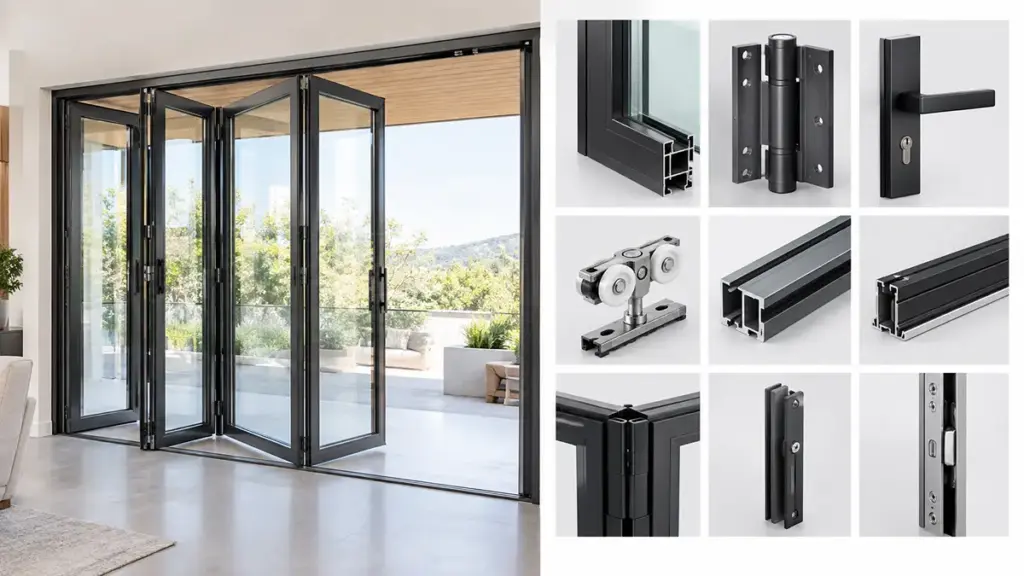
Selecting high-performance panoramic windows for specialty applications determines whether a scenic retreat achieves structural integrity or suffers from costly thermal failures. Relying on standard framing for expansive sunrooms or coastal patios often leads to compromised weather seals and inflated utility costs.
This analysis evaluates the best use cases for panoramic windows, focusing on how custom glazing and thermal break specifications optimize specific panoramic window applications for maximum durability and visual impact.
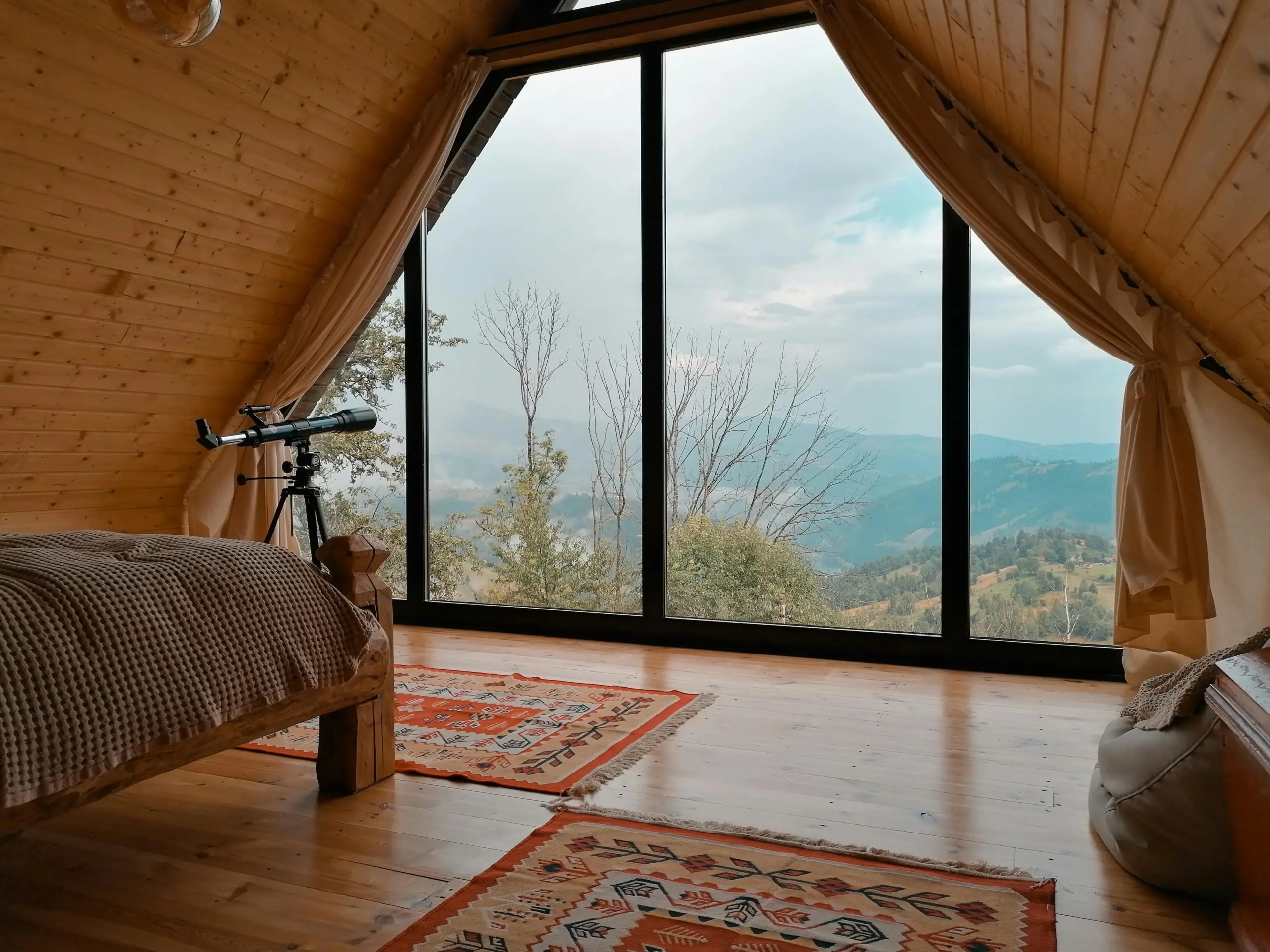
Panoramic Windows for Sunrooms
Slim frames and expansive glass maximize sunroom daylighting, while thermal break profiles and triple glazing ensure year-round energy efficiency and climate comfort.
| Component | Technical Configuration | Primary Function |
|---|---|---|
| Framing | Slim aluminum profiles | Maximizes daylight and outdoor views |
| Glazing | Double or triple-pane units | Controls heat transfer and solar gain |
| Insulation | Thermal break integration | Maintains consistent seasonal temperatures |
Strategic Thermal Management in High-Exposure Spaces
Sunrooms often struggle with the “greenhouse effect.” The application focuses on creating a high-performance thermal barrier:
- Climate Control: By deploying the T5 Series Window, designers can achieve a near-hermetic seal.
- Active Sealing: When lowered, the T5’s lifting mechanism compresses the gaskets, preventing summer heat gain and winter heat loss.
- Livability: This transforms a simple “glass box” into a functional, four-season living area with stabilized energy costs.
Structural Integration for Seamless Daylighting
Maximizing views in a sunroom requires a delicate balance between slim aesthetics and weight-bearing capacity:
- Ultra-Slim Profiles: Using minimalist aluminum frames reduces visual bulk while supporting oversized triple-pane glass units.
- Daylight Optimization: This application reduces the need for artificial lighting and creates a 360-degree connection to the landscape.
- Durability: Multi-chambered insulation strips prevent frame deformation caused by the high temperature fluctuations typical in sun-heavy environments.
Panoramic Windows for Patios
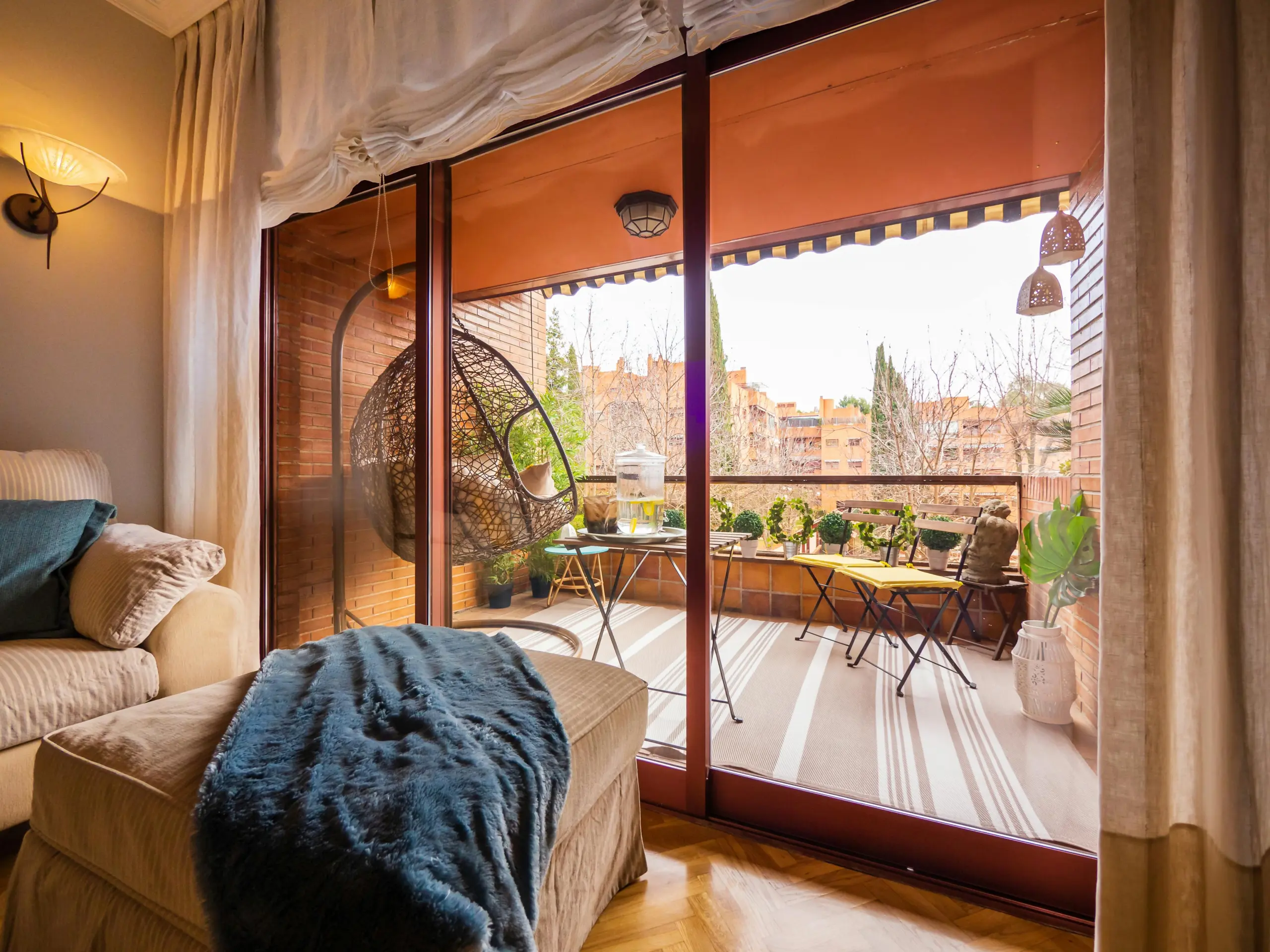
Panoramic patio windows utilize sliding, folding, and stacking mechanisms to remove visual barriers, offering versatile options for various types of patio enclosures. These systems maximize natural light and adapt to local climates through the use of high-performance minimalist frames.
Executing the Indoor-Outdoor Social Flow
The primary application for patio panoramic windows is the removal of physical boundaries:
- Transformative Spaces: Using multi-track systems allows homeowners to merge indoor kitchens with outdoor entertainment zones.
- The TTF Solution: For wide apertures, the TTF Series Window allows panels to stack neatly, creating a massive, unobstructed opening that standard doors cannot achieve.
- Flexibility: This setup offers customizable airflow and passage widths based on the specific social occasion or weather condition.
Advanced Engineering for Large-Span Apertures
Handling glass spans exceeding 5 meters requires specialized track technology to ensure long-term functionality:
- Weight Distribution: The TTF’s multi-track design distributes the pressure of heavy glass panels, ensuring smooth, one-handed operation.
- Weatherproofing: To solve water intrusion issues common in patio transitions, these systems utilize stepped drainage designs and EPDM high-performance seals.
- Resilience: This prevents the “sticking” or track binding often seen in lower-grade sliding systems after exposure to coastal humidity or debris.
Panoramic Windows for Scenic Retreats
Panoramic windows combine large-panel glass with ultra-narrow frames to capture outdoor views. Custom configurations and advanced acoustic controls ensure optimal indoor privacy without compromising sightlines.
Curating Landscape Vistas in High-End Estates
In luxury retreats, panoramic windows act as “living frames.” The application focuses on visual purity:
- Aesthetic Integration: Ultra-narrow profiles disappear into the building’s envelope, allowing the natural surroundings—be it ocean or mountains—to become the interior’s focal point.
- Clarity: Utilizing low-iron glass removes the green tint of standard glazing, providing true-to-life color rendering of the landscape.
Acoustic Isolation and Environmental Shielding
Scenic retreats are often located in high-wind or isolated areas where acoustic comfort is paramount:
- Sound Dampening: By applying the T5 Series’ intelligent lifting-seal technology, the window creates an airtight acoustic barrier when closed.
- Quiet Sanctuary: Combined with asymmetric glass thicknesses, this application effectively blocks wind howl and external environmental noise, maintaining a serene interior atmosphere.
Asset Protection and Solar Control
For high-altitude or luxury sites, protecting the interior is as important as the view:
- UV Filtration: Integrating PVB interlayers and Low-E coatings blocks 99% of harmful UV rays.
- Investment Security: This protects expensive artwork, high-end fabrics, and custom furniture from photodegradation.
- Safety: Multi-point locking systems and tempered laminated glass ensure the retreat is secure against both environmental stress and structural impacts.
Premium Aluminum Windows for Global Projects
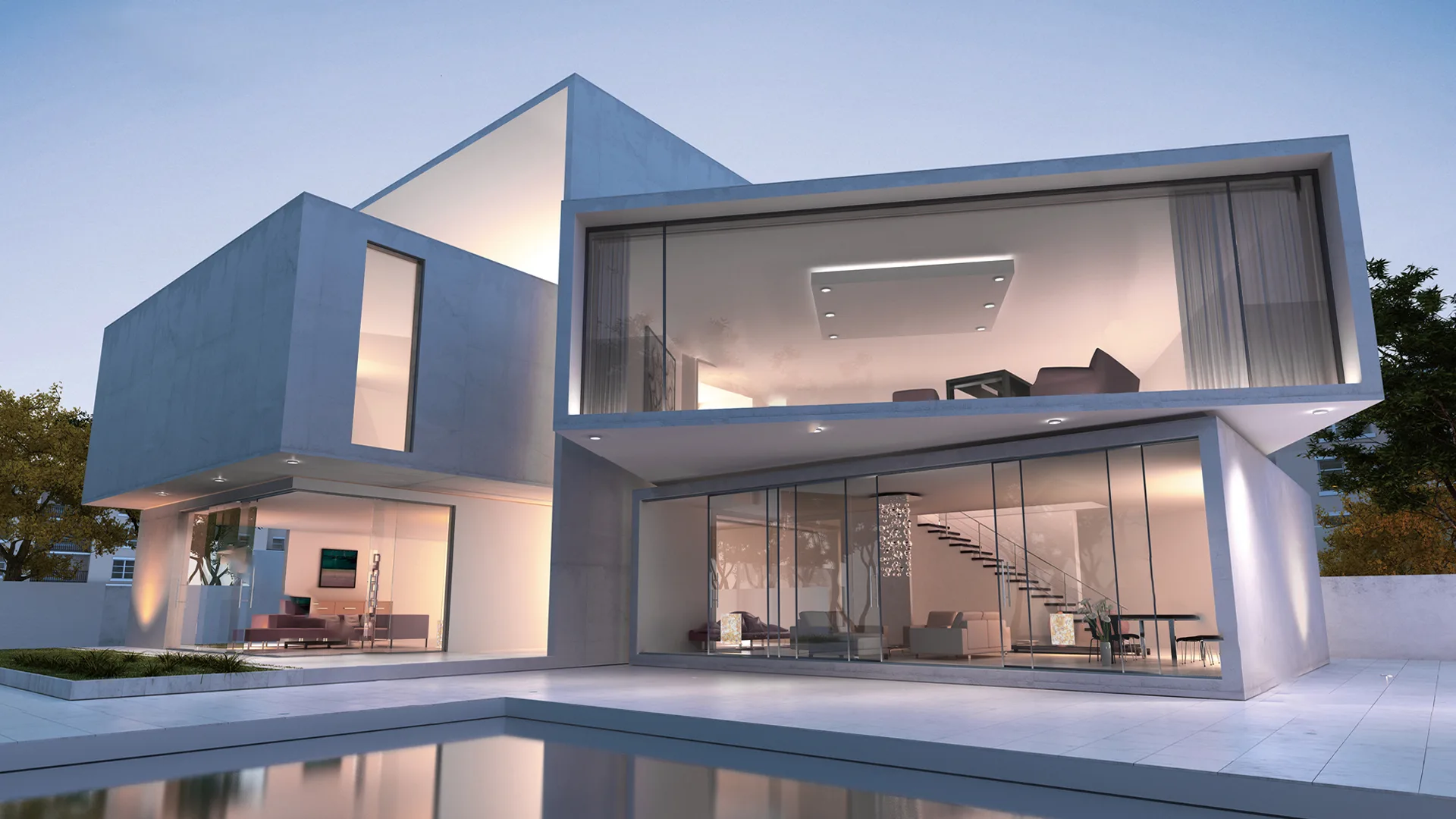
Custom Glass Shapes: Arches, Angles, and Floor-to-Ceiling Units
Designing with non-standard glass geometries requires a balance of aesthetic ambition and technical precision. To ensure structural integrity in complex installations, the selection of glass and framing must address specific geometric challenges.
Floor-to-Ceiling Systems: For spans exceeding 22 feet, the application dictates the use of insulated tempered laminated glass. Engineers often incorporate structural glass fins or stainless steel fittings to manage wind load and prevent deflection across these massive vertical surfaces.
Angled and Sloped Enclosures: Installing glass under vaulted ceilings or sloped roofs requires precision-cut angled units. Success depends on high-tolerance framing that ensures a gastight seal, preventing moisture infiltration and maintaining international impact safety standards.
Arched and Organic Curves: Achieving complex structural arches relies on high-heat slumping or cast molding. When selecting curved glass, it is critical to pair it with adaptable, multi-chambered thermal breaks to prevent heat transfer and acoustic leaks at the curved transition points.
Creating a Seamless Transition Between Indoor and Outdoor Spaces
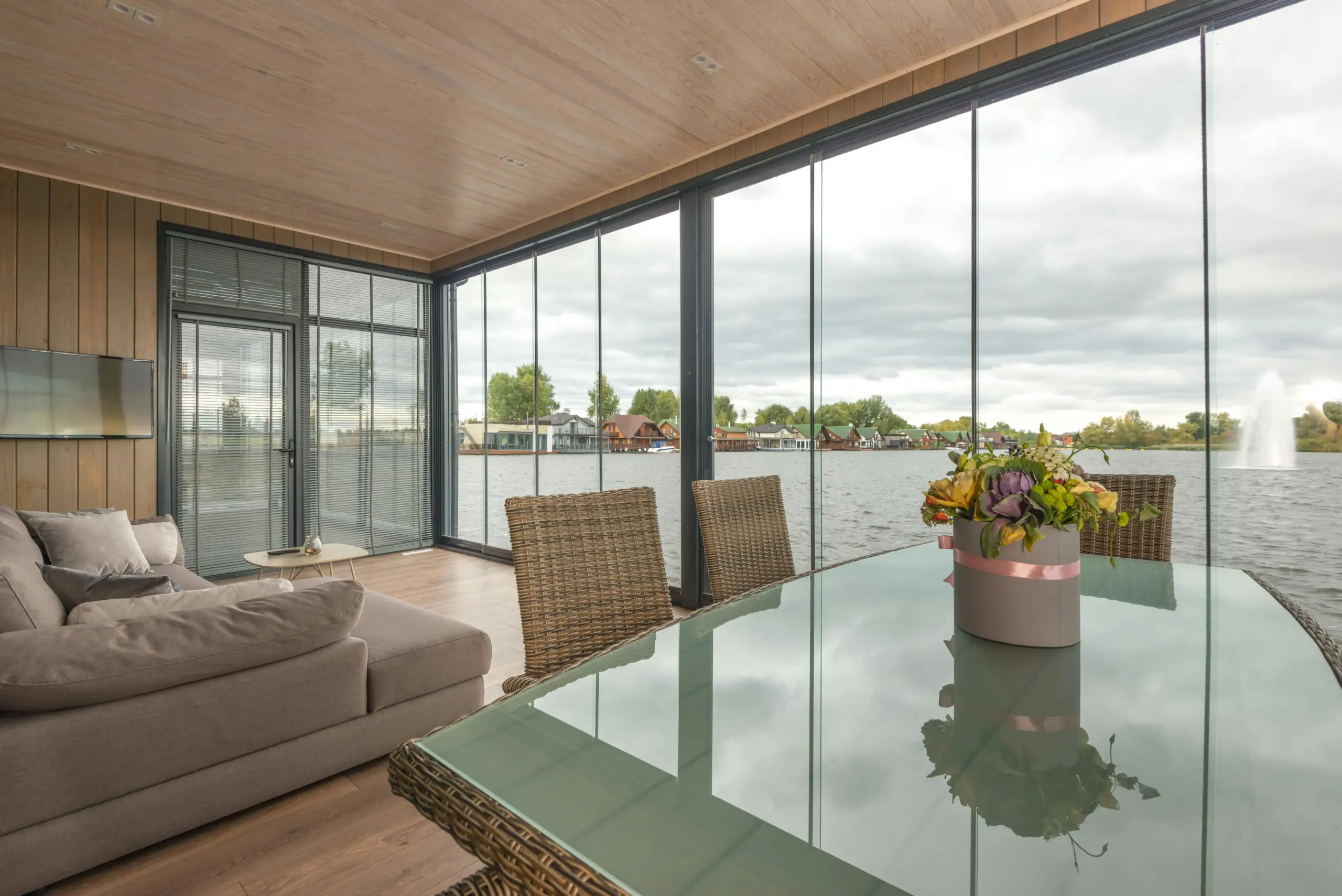
Achieving true spatial continuity requires a strategic alignment of visual elements and structural hardware to blur the boundary between the interior and the landscape.
Visual and Material Continuity: Architects create an uninterrupted plane by extending interior flooring—such as large-format porcelain or stone—directly into the outdoor zone. Matching furniture scale and mirroring lighting fixtures, such as recessed overhangs, further reinforce this functional cohesion.
Minimalist Structural Openings: The success of this transition relies on ultra-narrow sliding systems that allow solid walls to effectively disappear. By utilizing slim aluminum profiles with maximized glass ratios, designers create large, unobstructed apertures that facilitate natural ventilation and expand usable living areas.
Performance Integration: Seamless design must coexist with environmental control. High-performance systems incorporate precise thermal breaks and multi-point locking to adapt to local climate demands. This ensures that even with massive glass spans, the home maintains high energy efficiency and structural integrity year-round.
UV Protection and Solar Control in Panoramic Applications
Large-scale glazing requires integrated technologies to mitigate solar radiation while maintaining optical clarity. In high-exposure environments, managing UV rays and thermal transfer is critical for both occupant comfort and asset protection.
Performance Reliability: Fusing UV-blocking glazing with high-performance aluminum frames at the factory level ensures long-term energy efficiency. This pre-engineered approach minimizes structural risks and prevents the photodegradation of interior furnishings, ensuring the system performs reliably under harsh environmental stress.
Multi-Layered Shielding: Effective UV protection relies on three core mechanisms. Polyvinyl Butyral (PVB) interlayers block 99% of UV rays and enhance structural safety. Low-E coatings filter metallic oxide layers to reduce solar heat gain, while spectrally selective films reject infrared heat without sacrificing natural light.
Climate-Specific Adaptation: A “one-size-fits-all” glazing specification fails in diverse global climates. Engineers must calibrate glass buildups and thermal break depths based on local data—optimizing for coastal humidity, desert heat, or high-altitude exposure.
Installation Considerations for Panoramic Windows in Outdoor Spaces
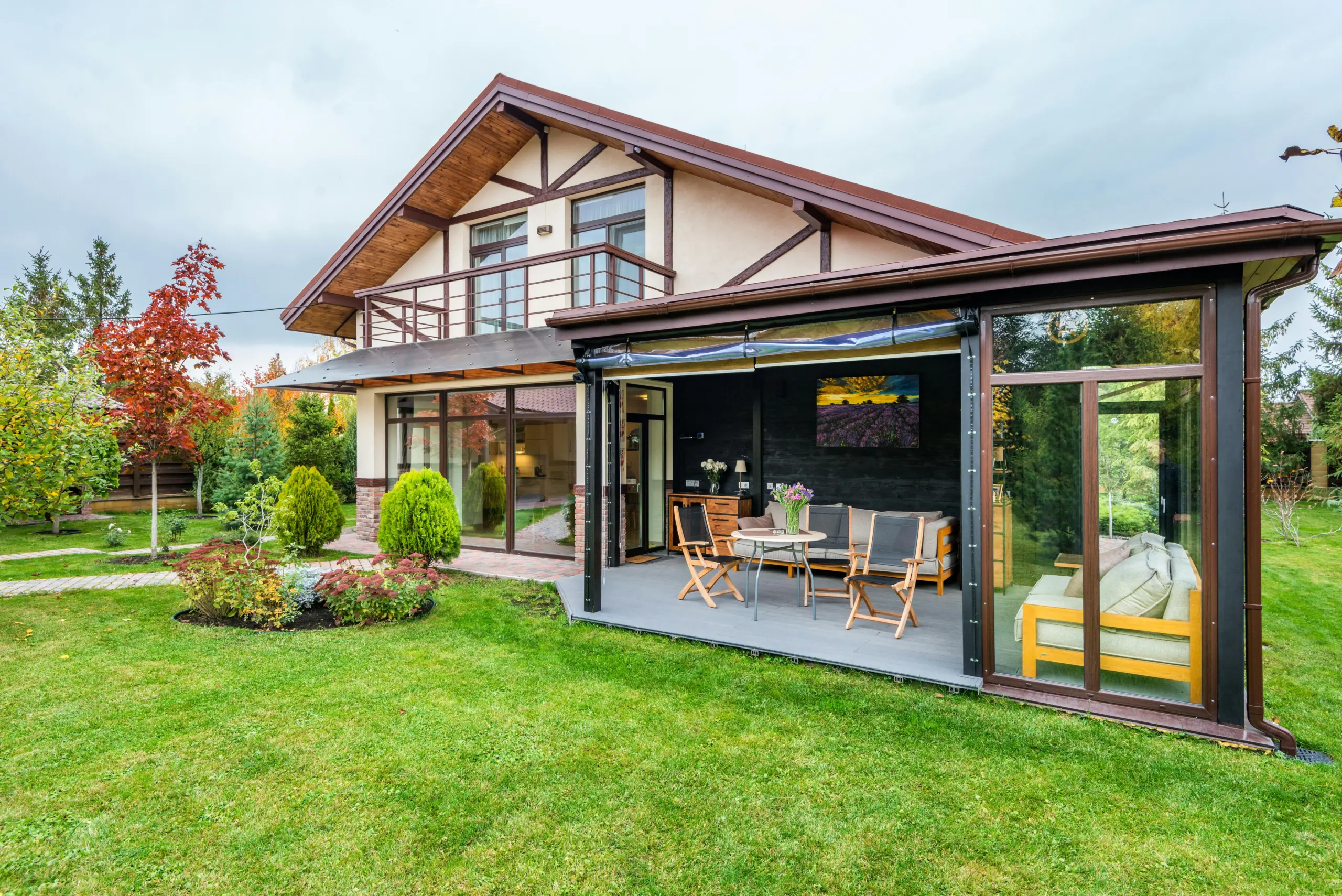
Successful integration of large-scale glass demands rigorous precision and specialized handling to ensure long-term structural integrity.
Aperture Preparation and Alignment
Large-span aluminum doors installation tolerates zero deviation. Before site delivery, installers must verify substrate compatibility against the rough opening dimensions.
- Laser Calibration: Establish horizontal reference lines across wide spans to prevent panel binding.
- Structural Leveling: Side jambs must be mounted perfectly plumb, while top tracks require aggressive shimming to eliminate twists that compromise movement.
Climate-Adaptive Weather Sealing
Standard caulking often fails under the thermal expansion of panoramic frames. High-performance sealing is a critical step of the custom sunroom manufacturing and assembly process:
- Rapid Bonding: Apply specialized adhesives and primers within a strict 10-15 minute window to block water intrusion.
- Gasket Orientation: External gaskets must be positioned based on the swing or slide direction to shed moisture effectively.
Application-Specific Considerations
Installation requirements shift when comparing sunroom and patio enclosure. While sunrooms focus on maintaining a sealed thermal envelope through precise frame-to-roof transitions, patio systems prioritize track drainage and wind-load resistance. Proper manual handling by a coordinated team ensures these heavy components remain aligned, protecting the unit’s thermal efficiency and preventing substrate degradation.
Cost vs. Benefit: Is the Investment in Panoramic Glass Justified?
Investing in panoramic windows yields a 60% to 70% resale recovery rate, making it one of the most financially sound architectural upgrades for modern properties. While the panoramic window price carries a 20% to 50% upfront premium compared to standard glazing—typically ranging from $8,000 to $15,000 for large installations—the market appeal is undeniable. Listings featuring expansive glass capture up to 40% more buyer attention, as natural light remains a top priority for high-end real estate.
Beyond the valuation, the primary reasons to invest in panoramic windows lie in long-term operational savings. Modern high-performance systems mitigate the thermal trade-offs of large glass surfaces through:
- Thermal Break Frames: Insulated barriers that stop heat transfer through the aluminum.
- Advanced Glazing: Double or triple-pane units with Low-E coatings to stabilize interior temperatures.
- Efficiency Gains: Integration of silicone foam spacers to eliminate condensation and support NZEB (Nearly Zero Energy Building) goals.
To master these technical specifications for your next project, explore our comprehensive guide to panoramic windows.
Final Thoughts
While standard glazing may reduce initial costs, specifying high-performance aluminum frames with integrated thermal breaks is the only reliable defense against climate-driven structural failures. These advanced systems ensure year-round energy efficiency and a superior resale recovery rate for property owners.
At OPUOMEN, we specialize in providing a complete, end-to-end customization service. From selecting high-grade raw materials and engineering precise glass geometries to final installation support, we ensure every unit is tailored to your specific architectural requirements. Contact our team today to review your project dimensions and discuss your custom climate-adapted glazing needs.
Frequently Asked Questions
Can sunrooms feature panoramic windows?
Yes, designers frequently use panoramic sliding and picture windows in sunrooms to maximize natural light and create uninterrupted views. Floor-to-ceiling configurations and 4-track systems blur the boundaries between indoors and outdoors. You should select energy-efficient glass and durable aluminum or vinyl frames to maintain year-round comfort.
What is the difference between a conservatory and a sunroom?
Conservatories use extensive glass construction, including glass or polycarbonate roofs, primarily for horticulture or highly decorative spaces. Sunrooms feature solid roofs and insulated walls combined with large windows, creating versatile, energy-efficient living areas. Sunrooms typically cost less and require less maintenance than conservatories.
Do large panoramic windows provide sufficient UV protection?
Standard clear glass allows up to 74% of UVA rays to penetrate, causing interior fading over time. To block harmful radiation, you must add specialized treatments. High-quality window films, laminated glass with a PVB interlayer, and Low-E coatings effectively block 99% or more of UV rays while preserving natural light.
How do you shade a large panoramic window?
Motorized roller and solar shades handle the weight of wide spans effortlessly while providing solar control. Cellular shades trap air in honeycomb pockets to boost energy efficiency. For extremely wide openings, mounting multiple smaller shades on a single headrail prevents operational strain and improves light control.
Can panoramic windows be used for a roof?
Manufacturers design panoramic windows for vertical applications like patios, not roofs. For overhead lighting, you need purpose-built skylights, roof windows, or engineered glass roof structures. These specialized roof systems manage snow loads, thermal expansion, and structural deflection safely.
What are the best panoramic windows for mountain cabins?
Mountain cabins need durable fiberglass or aluminum-clad wood frames to withstand extreme temperature shifts. You should specify double or triple-pane glass featuring Low-E coatings, argon gas fill, and pressure-equalized glazing. These components prevent seal failures at high altitudes and minimize heat loss during harsh winters.