Выбор подходящего стекла для алюминиевых окон часто кажется балансирующим действием, когда вы вынуждены искать компромисс между смелым дизайном и технической необходимостью.. Будь то защита прибрежной виллы от неустанной жары или обеспечение тихого офиса в высотном здании среди городского хаоса., а “стандартный” выбора редко бывает достаточно. Неправильное решение влияет не только на внешний вид, но и на счета за электроэнергию., соответствие требованиям безопасности, и долгосрочное удовлетворение арендаторов.
Это руководство упрощает эту сложность. Мы разбираем основные технологии остекления — от структурных конфигураций и функций безопасности до акустической амортизации и термических покрытий — давая вам возможность выбрать стекло, которое повышает как эксплуатационные характеристики здания, так и комфорт его жителей..
Конфигурации остекления
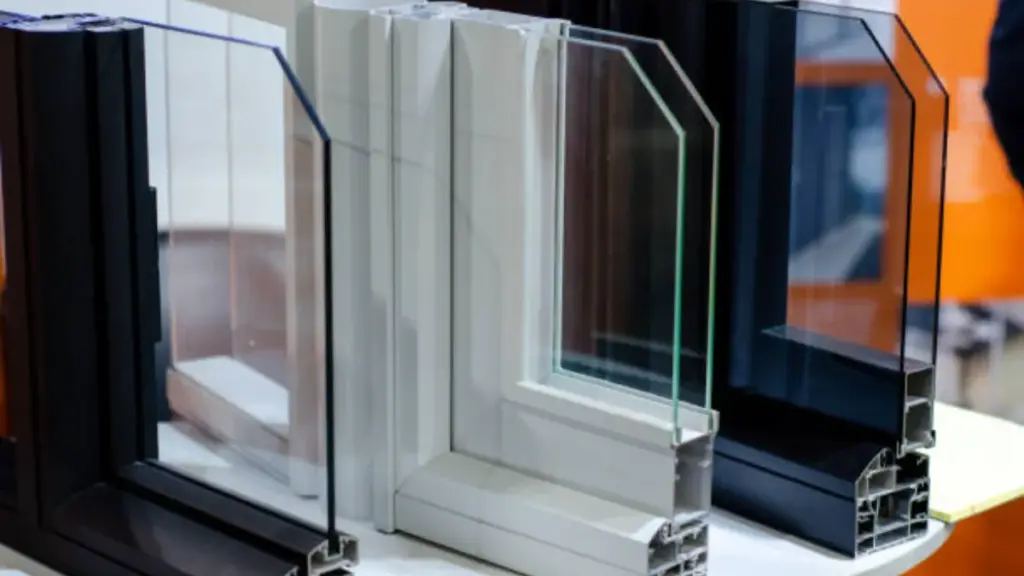
Выбор правильной конфигурации является наиболее важным техническим решением в вашем оконном проекте.. Он определяет вес алюминиевая рама должен поддерживать, долговечность оборудования, и общие энергетические характеристики ограждающих конструкций здания.
Одинарное остекление
Одинарное остекление состоит из одного стекла, закрепленного внутри алюминиевой створки или рамы.. Потому что у него нет изолирующей полости или газового наполнения., обеспечивает прямой путь для теплопередачи, что делает его самым простым доступным вариантом остекления.
- Ключевые характеристики: Обычно представляет собой цельное стекло толщиной 3–12 мм без внутренних полостей..
- Термальный & Акустические характеристики: Характеризуется очень высокими значениями U. (приблизительно. 5.8 Вт/м²К) и почти нет шумоподавления, поскольку нет воздушного зазора, препятствующего вибрации или тепловому потоку.
- Лучшее для: Внутренние алюминиевые офисные перегородки, неотапливаемые солярии, или реставрация устаревших зданий в мягком тропическом климате.
Двойное остекление
Двойное остекление, или стеклопакет (Для меня), использует две панели стекла, разделенные герметичной прокладкой, для создания полости для воздуха или газа.. Данная конструкция является эталоном для современных алюминиевых оконных систем., предлагая сбалансированное соотношение производительности и веса.
- Ключевые характеристики: Общая толщина блока обычно колеблется от 20 мм до 32 мм. (НАПРИМЕР., а 4-16-4 конфигурация). Полость обычно заполняется аргоном для улучшения изоляции..
- Термальный & Акустические характеристики: Современные двойные остекления достигают значений U между 1.1 и 1.6 Вт/м²К, обеспечение существенного барьера от внешнего шума и теплопотерь.
- Лучшее для: Стандартные жилые и коммерческие фасады, городские квартиры, требующие контроля шума, и большинство энергоэффективных проектов среднего уровня.
Тройное остекление
Тройное остекление представляет собой усовершенствованный стеклопакет, состоящий из трех стекол, разделенных двумя полостями, заполненными инертным газом, и двумя дистанционными рамками.. Эта конфигурация представляет собой вершину общей технологии изготовления изоляционного стекла., разработан для максимального сохранения тепла.
- Ключевые характеристики: Общая толщина блока колеблется от 36 мм до 52 мм.. В нем используются стеклянные панели толщиной 4–6 мм с шириной полости 12 мм или более для оптимальной производительности..
- Термальный & Акустические характеристики: Разработан для достижения сверхнизких значений U (0.6–0,8 Вт/м²К), снижение теплопотерь до 50% по сравнению со стандартным двойным остеклением.
- Лучшее для: Пассивный Дом (Пассивный дом) сертифицированные здания, экстремально холодный или северный климат, и проекты, расположенные в средах с высоким уровнем шума, например, на траекториях полетов в аэропортах..
Стандарты сопротивления и безопасности
Во многих регионах, Защитное стекло является юридическим требованием для алюминиевых окон в “опасные места”— например, окна от пола до потолка, двери, и перегородки для ванных комнат. Выбор между закаленным и ламинированным стеклом зависит от того, является ли вашим приоритетом предотвращение травм или поддержание надежного барьера..
Закаленное стекло
Закаленное стекло подвергается контролируемой термической обработке для увеличения его прочности по сравнению с обычным стеклом.. Он спроектирован так, чтобы быть очень устойчивым к ударам., и его наиболее определяющей характеристикой является его “взломостойкий” шаблон.
- Ключевые характеристики: Примерно 4 к 5 раз прочнее, чем отожженное стекло той же толщины. Надо вырезать по размеру и изготовить до процесс закалки.
- Механизм безопасности: В случае неудачи, оно разбивается на тысячи мелких, фрагменты с тупыми краями (гранулы) а не острые осколки, значительно снижает риск серьезных рваных ран.
- Плюсы & Минусы:
- Плюсы: Высокая термическая прочность (противостоит растрескиванию под воздействием тепла), экономически эффективный, и обеспечивает превосходную безопасность при воздействии на человека.
- Минусы: Однажды сломанный, вся панель выпадает из рамки, оставляя отверстие полностью открытым.
- Лучшее для: Алюминиевые раздвижные двери, боковые фонари, душевые перегородки, и внутренние офисные перегородки, где не требуется локализация после поломки.
Ламинированное стекло
Многослойное стекло состоит из двух или более листов стекла, прочно склеенных между собой пластиковым промежуточным слоем. (обычно PVB или SGP). Его часто называют “нерушимый” в просторечии, потому что он сохраняет свою структурную целостность даже после того, как слои стекла треснут..
- Ключевые характеристики: Доступен в различных конфигурациях (НАПРИМЕР., 6.38мм, 10.76мм). Прослойка блокируется до 99% УФ-излучения и обеспечивает значительный эффект акустического демпфирования..
- Механизм безопасности: При воздействии, стекло треснуло в “паутина” шаблон, но осколки прилипают к внутренней пластиковой прослойке. Это предотвращает падение и поддерживает непроницаемый для атмосферных воздействий барьер..
- Плюсы & Минусы:
- Плюсы: Превосходная защита от взлома (ограбление), отличная звукоизоляция, и сохраняет здание герметичным даже после повреждения.
- Минусы: Тяжелее и дороже, чем закаленное стекло.; края должны быть надлежащим образом запечатаны во избежание расслоения между слоями..
- Лучшее для: Высотные алюминиевые фасады, потолочное/мансардное остекление, витрины магазинов подвержены взломам, и прибрежные проекты в зонах, подверженных ураганам.
Нагретое закаленное стекло
Выдерживание при нагревании — дополнительный тест на безопасность закаленного стекла.. Стекло помещают в печь и подвергают определенному температурному циклу, чтобы вызвать разрушение любых стекол, содержащих сульфид никеля. (НиС) включения – частая причина “самовозгорание” из закаленного стекла.
- Ключевые характеристики: Протестировано согласно EN 14179 или аналогичные стандарты. Этот процесс выявляет и устраняет панели высокого риска еще до того, как они покинут завод..
- Механизм безопасности: Не меняет характер разрушения, но резко снижает статистическую вероятность самопроизвольного взрыва стекла после установки..
- Плюсы & Минусы:
- Плюсы: Обеспечивает спокойствие при реализации дорогостоящих проектов; значительно снижает затраты на долгосрочное обслуживание и замену.
- Минусы: Увеличивает время выполнения заказа и первоначальную стоимость квадратного метра..
- Лучшее для: Крупномасштабные коммерческие алюминиевые навесные стены, окна многоэтажного жилого дома, и стеклянные балюстрады, замена которых затруднена и дорога..
Акустические характеристики
Для проектов, расположенных в плотной городской среде, возле аэропортов, или рядом с оживленными магистралями, а акустические характеристики стекла зачастую так же важен, как и его термический рейтинг. Алюминиевые окна могут достичь уровня звукоизоляции от 30 дБ до 50 дБ+ за счет использования специальных технологий изготовления стекла..
Акустическое ламинированное стекло
В отличие от стандартного многослойного стекла, акустическое многослойное стекло использует специализированное, более мягкий ПВБ (Поливинилбутираль) промежуточный слой, специально разработанный для “увлажнять” звуковые вибрации при прохождении через стекло.
- Как это работает: Акустическая прослойка действует как амортизатор, разрушая энергию звуковой волны и предотвращая ее проникновение внутрь.
- Ключевые характеристики: Можно добиться снижения звука (Rw) от 35 дБ до 50 дБ в зависимости от толщины стекла и типа промежуточного слоя..
- Плюсы & Минусы:
- Плюсы: Самый эффективный способ уменьшить высокочастотный шум (как сирены или самолеты); также обеспечивает безопасность и преимущества УФ-излучения.
- Минусы: Более высокая стоимость по сравнению со стандартным стеклом.; требуются сверхпрочные алюминиевые рамы, чтобы выдержать вес более толстых ламинатов..
- Лучшее для: Роскошные апартаменты в центре города, фасады отелей, и студии звукозаписи.
Асимметричное остекление
Асимметричное остекление относится к стеклопакету. (Изоляционный стеклопакет) где два стекла имеют разную толщину (НАПРИМЕР., Внешнее стекло толщиной 6 мм и внутреннее стекло толщиной 4 мм.).
- Как это работает: Каждая толщина стекла имеет “критическая частота” при котором он легко вибрирует, пропуская звук. Используя две разные толщины, каждая панель блокирует частоты, которые другая панель может пропустить, предотвращение симпатического резонанса.
- Ключевые характеристики: Обычной конфигурацией является поплавок 6 мм. + 12мм Воздух + 4мм Плавающий. Это простое изменение может улучшить снижение шума на 3–5 дБ по сравнению с симметричными устройствами..
- Плюсы & Минусы:
- Плюсы: Высокая рентабельность; обеспечивает немедленное улучшение акустики без значительного увеличения общего веса устройства..
- Минусы: Менее эффективен, чем акустические ламинаты, в отношении низкочастотного шума, например, двигателей тяжелых грузовиков..
- Лучшее для: Стандартные жилые дома в умеренно шумных районах или школьные классы.
Изоляционное стекло с высоким зазором
Ширина полости между стеклами существенно влияет на звукоизоляцию., особенно для низкочастотных шумов. Увеличение воздушного или газового зазора обеспечивает больший “буфер” чтобы звуковые волны рассеялись.
- Как это работает: Более широкий разрыв (НАПРИМЕР., 20мм против. стандартный 12 мм) увеличивает “масса-воздушная масса” резонансная частота, эффективное разделение двух стекол для лучшей звукоизоляции.
- Ключевые характеристики: Ширина полостей от 16 мм до 24 мм идеально подходит для акустических характеристик.. Для крайних случаев, “Вторичное остекление” (две отдельные оконные рамы) создает зазор более 100 мм..
- Плюсы & Минусы:
- Плюсы: Отлично подходит для блокировки низкочастотных шумов. (поезда, интенсивное движение).
- Минусы: Очень широкие зазоры могут слегка снижаться термическая эффективность за счет большей внутренней конвекции воздуха; требует очень большой глубины алюминиевого профиля.
- Лучшее для: Здания, примыкающие непосредственно к железнодорожным путям, шоссе, или промышленные зоны.
Алюминиевые окна по индивидуальному заказу: Качество & Производительность для ваших проектов
Тепловые характеристики
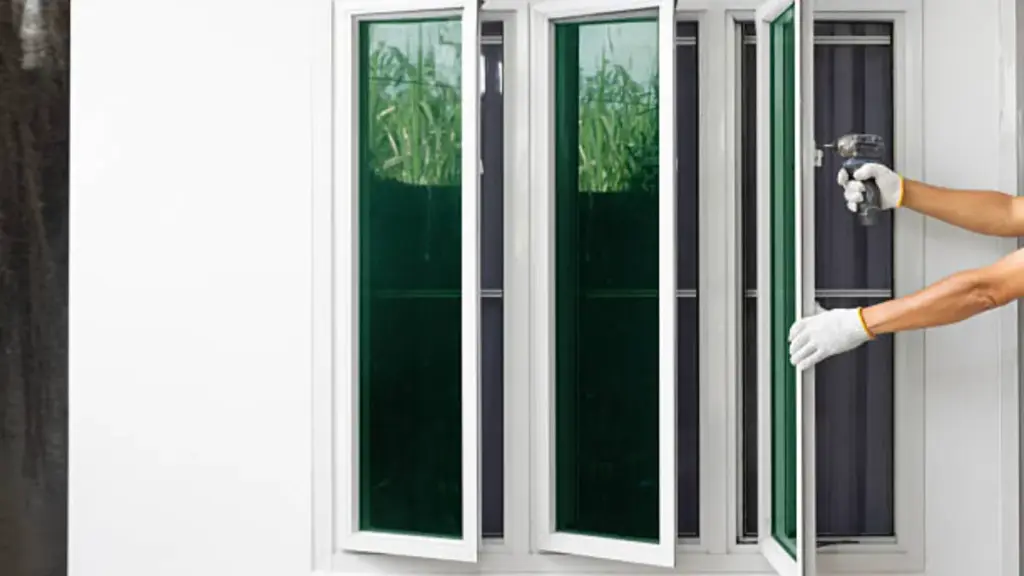
Количество стекол обеспечивает структурную основу., невидимые технологии, применяемые к стеклу — покрытия Low-E и заполнение инертным газом — действительно способствуют повышению энергоэффективности здания.. Эти усовершенствования могут сократить потери энергии до 40% по сравнению со стандартным прозрачным стеклом.
Низкая излучательная способность (Низкий) Покрытия
Покрытия Low-E микроскопически тонкие., прозрачные металлические слои, нанесенные на поверхность стекла. Они действуют как тепловое зеркало.: отражающий длинноволновую инфракрасную энергию (нагревать) обратно к источнику, позволяя видимому свету проходить сквозь.
- Твердое покрытие (Пиролитический): Наносится, пока стекло еще горячее во время производства.. Он чрезвычайно прочный и устойчивый к царапинам, что делает его подходящим для однопанельных приложений, хотя он предлагает немного меньшие тепловые характеристики.
- Мягкое пальто (Напыление): Наносится в вакуумной камере после изготовления стекла.. Он обеспечивает высочайшую тепловую эффективность и лучший контроль SHGC.. Однако, он хрупкий и должен быть запечатан внутри стеклопакета. (на поверхности #2 или #3) для предотвращения окисления.
Лучшее для: Проекты, требующие строгого соблюдения энергетических норм (нравиться 2026 цели) и здания с большим соотношением площади стекла к стене.
Заправка инертным газом
Вместо простого воздуха, полость между стеклами может быть заполнена бесцветным, инертные газы без запаха. Потому что эти газы плотнее воздуха., они существенно замедляют движение тепла (конвекция и проводимость) внутри оконного блока.
- Аргон Газ: Самый распространенный отраслевой выбор. Он экономически эффективен и обеспечивает улучшение коэффициента теплопередачи на 15–20% по сравнению с агрегатами, наполненными воздухом.. Лучше всего работает в полостях диаметром 12–16 мм..
- Криптон Газ: Гораздо плотнее аргона., обеспечивая превосходную изоляцию в гораздо более тонких полостях (НАПРИМЕР., 8мм–10 мм). Хотя и дороже, это элитный выбор для высокоэффективного тройного остекления.
В сочетании с Low-E, газонаполненный агрегат может достигать значений U всего 0,25–0,30 БТЕ/час·фут²·°F. (приблизительно. 1.4-1.7 Вт/м²К).
Лучшее для: Элитные жилые дома, экстремальные климатические зоны, и максимизация теплового комфорта возле сидений у окна.
Визуальный & УФ-защита
За пределами температуры и шума, правильное стекло должно контролировать количество естественного света, попадающего в комнату, одновременно защищая находящихся в помещении и интерьер от вредного ультрафиолета. (УФ) радиация.
Стекло с солнцезащитным покрытием (Яркий & Тепловой экран)
Это усовершенствованные тонированные или отражающие покрытия, разработанные специально для уменьшения “блики” без полного ущерба для обзора.
- Функция: Они фильтруют солнечный спектр, пропуская видимый свет и блокируя значительную часть инфракрасного тепла.
- Лучшее для: Большие алюминиевые оконные стены, выходящие на восток или запад., и коммерческие офисы, где блики экрана должны быть сведены к минимуму.
Ламинированное стекло с УФ-фильтрацией (Внутренний защитник)
Хотя все стекла блокируют часть УФ-B., Прослойка ПВБ в многослойном стекле является наиболее эффективным средством блокировки УФ-А., который отвечает за выцветание мебели и тканей.
- Функция: Высококачественные прослойки могут блокировать до 99% УФ-лучей.
- Лучшее для: Жилые дома с дорогими деревянными полами, художественные галереи, и витрины магазинов.
Сводная таблица производительности
Используйте подробную сравнительную таблицу ниже, чтобы оценить ключевые показатели производительности и выбрать идеальную конфигурацию остекления, соответствующую требованиям вашего проекта..
| Категория стекла & Тип | U-значение (Вт/м²К) | Звук красный. (дБ) | ШГК | ВЛТ (%) | Лучшее приложение |
|---|---|---|---|---|---|
| 1. Конфигурации остекления (Базовая структура) | |||||
| Одинарное остекление | ~5,8 | 20-25 | 0.85 | 90% | Внутренние перегородки, неотапливаемые помещения. |
| Двойное остекление (стандарт МГС) | 1.1 – 2.8 | 30-33 | 0.4-0.7 | 75-80% | Современный жилой дом & коммерческие фасады. |
| Тройное остекление (Высокая эффективность) | 0.6 – 0.8 | 35-38 | 0.2-0.4 | 55-65% | Пассивный Дом, экстремально холодный климат. |
| 2. Безопасность & Защитное стекло | |||||
| Закаленное стекло | ~5,7 (Одинокий) | 22-26 | 0.83 | 88% | Душевые двери, боковые фонари, места с интенсивным движением транспорта. |
| Ламинированное стекло | ~5,5 (Одинокий) | 32-35 | 0.6-0.8 | 85% | Верхнее остекление, противовзломные витрины. |
| Закаленный, пропитанный жарой | 1.1 – 1.5* | 30-33 | 0.3-0.5 | 70% | Фасады высотных зданий, критическое структурное остекление. |
| 3. Акустическое стекло | |||||
| Акустический ламинированный | 1.2 – 1.5* | 40-50 | 0.3-0.5 | 65-72% | Аэропорты, студии звукозаписи, оживленные автомагистрали. |
| Асимметричное остекление | 1.3 – 2.6* | 34-38 | 0.4-0.6 | 75-80% | Снижение шума в городских жилых домах. |
| Высокий разрыв (20мм+) Для меня | 1.4 – 1.8* | 35-40 | 0.4-0.6 | 75% | Низкочастотный шум (поезда, тяжелые грузовики). |
*Примечание: Значения U для безопасных и акустических типов предполагают конфигурацию с двойным остеклением с покрытием Low-E и аргоновым заполнением в соответствии с современными стандартами..
Закупка стекла и гарантия качества OPUOMEN
В ОПУОМЕН, наш Производство Совершенство гарантирует, что выбранное вами высокопроизводительное стекло будет идеально интегрировано в алюминиевые системы мирового класса.. Работа на сертифицированном по стандарту ISO 9001 оборудовании и новейших технологиях R.&Д, мы специализируемся на высокоточном производстве, соответствующем строгим стандартам CE., Rohs, и стандарты ASTM.
Наше конкурентное преимущество заключается в комплексном контроле цепочки поставок.: мы поставляем только предварительно сертифицированное архитектурное стекло, проверенное на целостность газонаполнения и долговечность Low-E, чтобы гарантировать долгосрочные тепловые и акустические характеристики.. Независимо от того, требуется ли вашему проекту безопасность высотных зданий за счет теплоизоляции или превосходная тишина благодаря акустическим ламинатам., Опуо поставляет разработанные по индивидуальному заказу, экономичные решения, адаптированные к вашему климату.
Выбор правильного стекла – это инвестиция в долговечность здания и комфорт его обитателей.. Балансируя U-ценности, рейтинги безопасности, и акустическое демпфирование, вы повышаете стандарты вашего проекта.
Готовы оптимизировать ваш следующий проект? Посмотрите наши высокопроизводительные оконные системы →
Часто задаваемые вопросы
Какова идеальная ширина газовой полости для оптимального коэффициента теплопередачи??
Для агрегатов, заполненных аргоном, идеальная ширина – 12–16 мм. (14.3 мм является пиковым оптимальным). Эта серия сочетает в себе подавление конвекции и газоизоляцию.. Полости за пределами этого диапазона увеличивают передачу тепла за счет проводимости. (если уже) или конвекция (если шире).
Как различные покрытия Low-E влияют на пропускание видимого света?
Покрытия Low-E уменьшают VLT по сравнению с прозрачным стеклом (~82%). Покрытия с высоким коэффициентом усиления (холодный климат) поддерживать 60–70% VLT, в то время как солнцезащитные покрытия с тройным серебром (жаркий климат) снизьте VLT до 45–60 %, чтобы отдать приоритет отводу тепла и контролю бликов..
Нужно ли использовать закаленное стекло во всех алюминиевых окнах большой площади?
Нет. Закаленное стекло является обязательным только в “опасные места”— например, двери, влажные помещения, или низкоуровневое остекление возле этажей. В других больших окнах можно использовать стандартные стеклопакеты при условии, что они соответствуют местным структурным требованиям по ветровой нагрузке и прогибам..
Как проверяется качество стекла на наличие пузырей или внутренних напряжений перед ламинированием?
Заводы используют автоматизированные оптические системы на 360° для обнаружения мельчайших пузырьков и включений.. Внутреннее напряжение проверяется неразрушающим методом с использованием поляризованного света или фотоэластичных устройств для просмотра., обеспечение структурной стабильности панели до начала процесса склеивания.